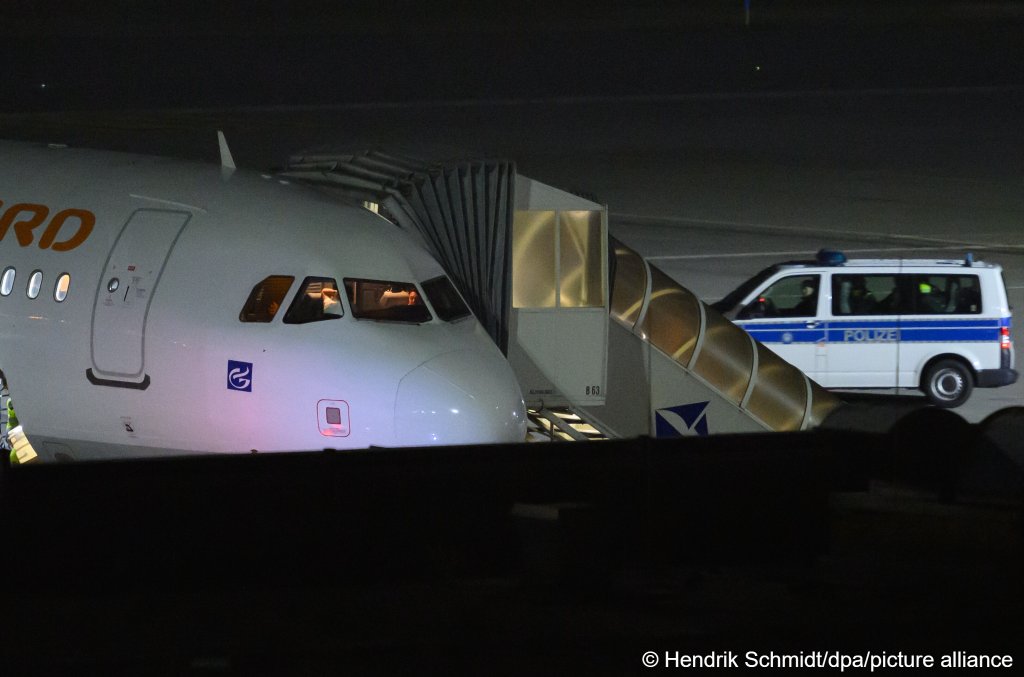
Newly released statistics for Germany's most populous state, North Rhine-Westphalia have reignited debate over migration and crime. Prompting some to ask questions over the state of deportation procedures in Germany, after it was revealed that some migrants with deportation orders had committed multiple crimes, despite being told to leave the country.
Germany's most populous federal state, North Rhine-Westphalia (NRW), has recently been hit by a major controversy surrounding crime committed by migrants — in particular those pegged for deportation.
The number of such criminal acts committed across the state has apparently increased in recent years, according to regional state broadcaster WDR.
Most of them, according to a report in the German magazine Focus, came from Iraq and the West Balkan countries (including Bosnia Herzegovina, North Macedonia, Albania, Montenegro and Serbia).
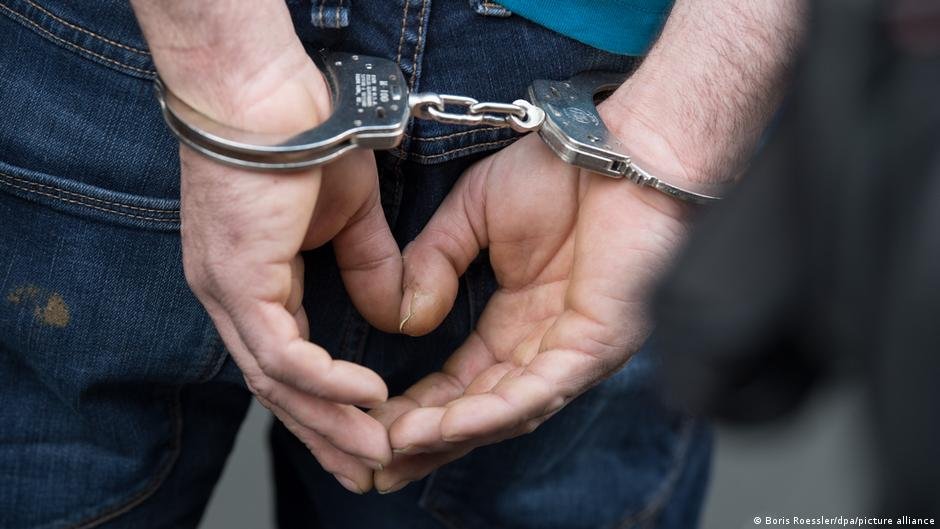
According to official figures, nearly 12,000 criminal proceedings have been opened against migrants and refugees in NRW since 2022.
Read AlsoGerman crime statistics: false blame on migrants?
Questions submitted to the state parliament
The revelations came after a freedom of information question was submitted to the NRW State Ministry for Children, Youth, Family, Equality, Refugees and Integration (MKJFGFI) at the state parliament in Düsseldorf.
The answer to that question detailed how different parts of the state are affected:
The biggest city of the state, Cologne, logged 3,732 criminal acts in the past four years, committed by 400 migrant suspects already on deportation lists.
Just outside Cologne, the town of Düren lists around 400 offenses committed by 40 migrants known to local authorities.
The affluent district of Mettmann outside Düsseldorf stands out as a unique example; there, three individuals are alleged to have committed a total of 226 offenses over the past few years.
In the vast majority of districts, each criminal migrant is listed as having committed multiple crimes, though the reports stressed that there also were instance of individual migrants only being involved in one particular criminal act.
Read AlsoGermany: Conservatives link immigration with crime
High rate of crimes committed by Balkan nationals
The unspecified crimes highlighted in the official report were largely perpetrated by Iraqi nationals and individuals from various Balkan countries.
In fact, the vast majority of criminal trials against migrants in NRW since 2022— roughly 3,200 cases — were found to have involved suspects from Bosnia-Herzegovina, Serbia, Albania, Montenegro and North Macedonia.
Nationals of these European nations do not qualify for protection by default, as these states are deemed to be safe countries of origin, with several of them even working towards becoming members of the European Union.
Very few of the migrants involved in these crimes have, however, thus far been sent back to their home countries, and are continuing to live in Germany.
Read AlsoGermany: Asylum seeker denied protected status for repeated criminal violations
Scandal surrounding refusal of implementing deportation orders
As a result of this information, new debate has begun over the question of why scarcely any of the criminal individuals have actually been deported.
Investigations reveal bureaucratic miscommunications or refusal to cooperate could be at the bottom of this issue: The weekly print magazine Focus cited the case of two central authorities in NRW drawing up plans to deport roughly 650 people in Cologne over the past couple of years.
Officials in the city, however, rejected assistance from the two authorities in this procedure, resulting in none of these criminal migrants therefore being removed — until now.
Read AlsoGerman crime statistics: false blame on migrants?
State MKJFGFI Minister Schäffer added that these breakdowns are under investigation, with plans to introduce tighter oversight of local immigration offices, and ensure greater accountability.
This disparity appears particular worrying for many NRW residents following strongly-worded reassurances issued by state premiere Hendrik Wüst two years ago, following a major terror attack in the city of Soligen in August 2024. At that time, Wüst promised to prioritize the deportation of criminal migrants in the state.
Read AlsoGermany: Interior Minister wants more deportations, especially of criminals
No choice other than crime left for many 'tolerated' individuals
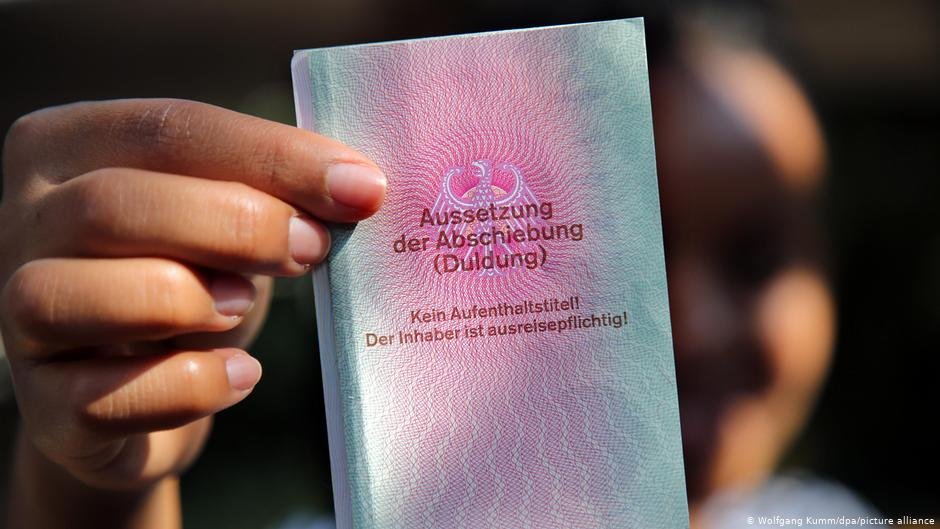
Many of these yet-to-be-deported individuals are merely tolerated in Germany under the so-called "Duldung" status — a temporarily limited suspension of deportation, which is granted whenever there are legal or practical obstacles preventing an immediate removal.
This status usually allows individuals to only receive the bare minimum of welfare benefits, while making it illegal to work in the country as a prerequisite of a Duldung.
It is believed that the lack of funds created by these circumstances pushes many foreigners with this status into criminal activity.
Minister Schäffer meanwhile stresses that against the backdrop of these revelations she remained hopeful that public solidarity with genuinely persecuted refugees will not be eroded.