
Official reports, penned by the UK Home Office, indicate that certain deportation flights from the country may have been performed with the undue and disproportionate use of force. The investigation remains ongoing.
Britain's prison inspectorate released a report this week, on November 23, pertaining to the escort and removal of migrants. The report focused on the detention and removal of migrants under the so-called 'one in, one out' scheme agreed by Britain and France to help act as a deterrent to migrant Channel crossings.
His Majesty's Inspectorate of Prisons HMIP focused on escort and removal of a group of these migrants on September 2 and 3 this year. In it, HMIP inspectors identified three key concerns: there was not enough access to or use of interpreting services, leaving some of the migrants concerned confused or unsure of what was going on during their removal. Secondly, according to HMIP, "Force was not always used in a way that was necessary and proportionate, and not all uses of force were reported or documented;" and thirdly, "At one centre escort staff crowded around compliant men, and the behavior of a few escorts was intimidating and unnecessary to ensure safety."
Home Office documents obtained by The Guardian under Britain's Freedom of Information (FOI) laws reportedly show non-classified internal communications, which mention "unnecessary and intimidating" methods used against people expelled from the country under the so-called "one in, one out" scheme with France.
During the inspection in question, HMIP followed an operation removing 21 male migrants from three different detention centers, using 71 removal staff. The longest individual journey from leaving the detention center to boarding the designated flight to Paris was just under nine hours, noted the HMIP report.
Read Also'One-in, one-out' scheme between UK and France launches as thousands continue to cross Channel
Abandoned pilot scheme with France under review
The "one in, one out" pilot project between the two countries allowed the UK to return certain asylum seekers, who had entered Britain irregularly from across the English Channel, to France.
In exchange, the UK would accept the same number of bonafide asylum seekers residing in France with official papers, who had been hoping to ultimately reach the UK (for reasons like family reunifications).
The program, however, was abandoned last month, and has since been under review.
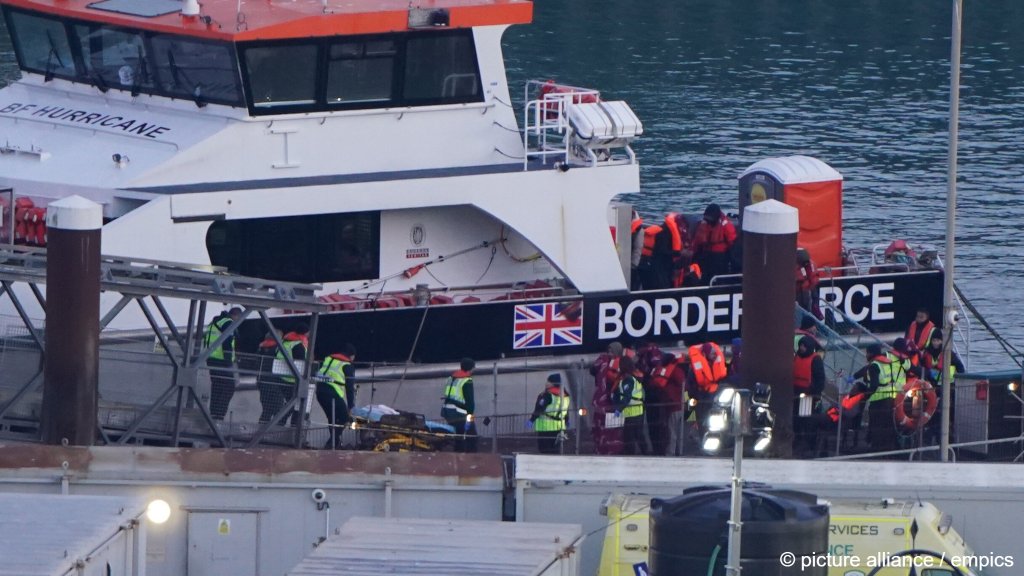
The project, introduced under former Prime Minister Keir Starmer, was run as an experiment for 15 months with the intention of discouraging irregular migrants from paying smugglers for irregular sea crossings launched from the French coast, using the threat of being returned as a deterrent.
Read AlsoWhat happens to migrants removed to France under the 'one-in, one-out' deal?
'Disproportionate' use of force
The most recent examination of the abandoned "one in, one out" strategy focused on the period of returns to France between July and September 2026 using chartered flights.
The Home Office deportation flights reviewed showed a total of 26 instances when force was reportedly used to subdue rejected asylum seekers in the process of being returned.
These reportedly included the case of a suicidal man, who was carried onto his flight with the use of waist, leg and ankle restraints, according to a report seen by The Guardian.
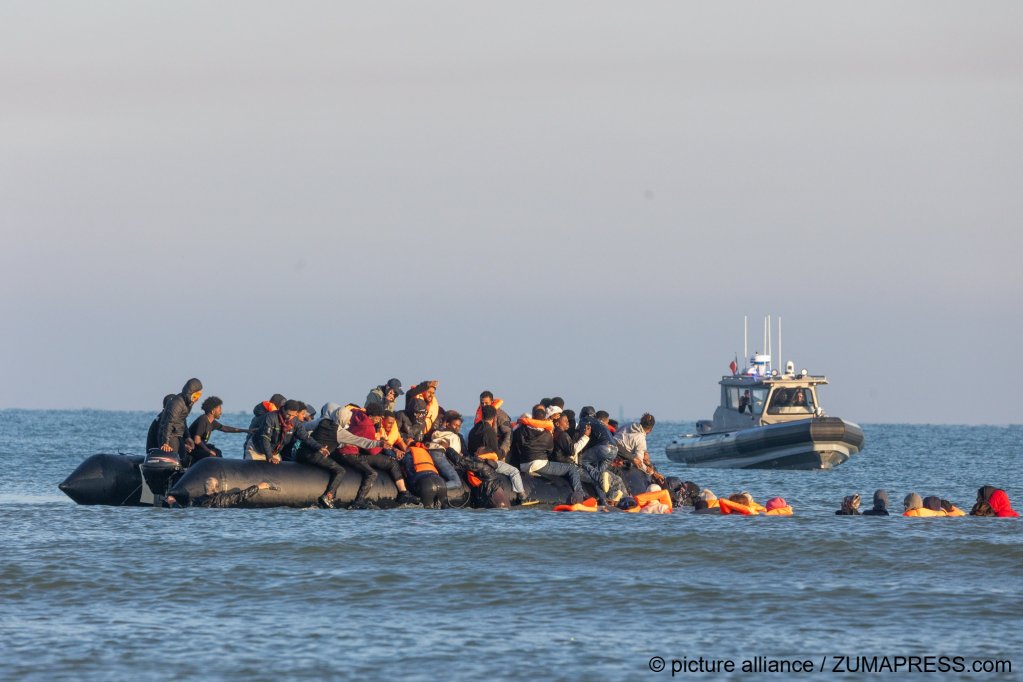
Furthermore, the Home Office document mentioned another deportee, who reportedly posed no threat to officials, adding that the individual had no history of resisting authorities; it found that he was returned facing "disproportionate" duress.
The review meanwhile also stressed the fact that these observations did not mean that instances of force were recorded on every single deportation flight.
Failure of leadership
The review of the "one in, one out" scheme was conducted with the help of an inspectorate of prisons (HMIP) team, who are specialists in analyzing methods deployed in the context of dealing with people held by the state, or who may have been called in to assist.
HMIP mainly relied on video footage from body cameras worn by deportation officials, which recorded returns procedures
HMIP said that by examining information obtained by body cams alone. it had identified nine individual incidents involving the alleged use of force on these flights. It underlined that compared to the footage, not all incidents of force were reported or properly documented.
Read AlsoFrance: New tactics used by police and smugglers on the Channel beaches?
The Inspectorate added that in several instances, deportees were addressed by their numbers rather than their names among other problematic practices.
The HMIP document also observed that some of the issues were linked to the leadership of the deportation teams being "not always active enough to address some unnecessary and intimidating behavior."
A concern raised in a previous inspection had not been addressed, noted HMIP.
Meanwhile, the Home Office responded to the developments by commenting that "[w]e take the welfare and safety of people in our care very seriously."
"Individuals are given escorts where risk assessments show they are needed to secure safe and successful removal from the UK."