
Twenty-three migrants, including nine children, were rescued after a speedboat capsized during a Coast Guard pursuit off Kos, as arrivals on Greece’s Libya-to-Crete route continue to rise.
Nearly two dozen migrants were rescued by the Greek Coast Guard after a high speed chase in the eastern Aegean Sea, authorities said on Friday (November 20).
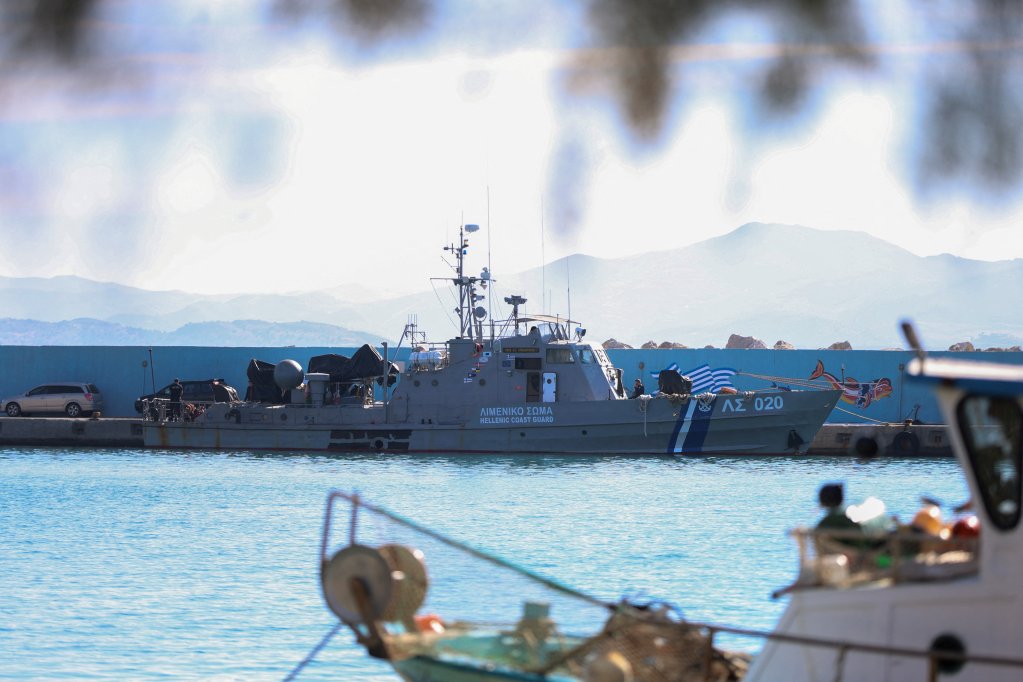
The coast guard said it rescued 23 people -- 10 men, four women and nine children -- late on Thursday (November 19), after their speedboat capsized off Therma, on the island of Kos. The boat was detected after leaving the nearby Turkish coast.
According to the coast guard, its driver ignored orders to stop and allegedly attempted to ram a patrol vessel. The crew fired warning shots, the vessels made contact and the inflatable boat’s air chamber burst, bringing it to a halt. High waves then capsized the craft, throwing everyone on board into the water.
The patrol crew rescued all 23 people and took them to the port of Kos, where they were handed over to port authority officers and the island’s migration unit. One woman was taken to Kos Health Center as a precaution and discharged the same day. No one was reported missing. The Kos port authority is investigating the incident, according to Greek news outlet Leros News.
Read AlsoAt least 22 migrants found dead off Crete
Heightened danger
The rescue highlights the continuing dangers faced by people trying to reach Greece by sea. Many travel in small, overcrowded and often unseaworthy boats arranged by smuggling networks, exposing them to engine failure, rough weather and shipwreck.
Greece remains a principal entry point into the European Union for people seeking to travel onwards to western and northern Europe. More than 40,000 people have entered the country by land and sea so far this year, according to figures reported by Greek authorities. The last available data from UNHCR dates from November 15, and shows that a total of 39,911 migrants entered Greece by land and sea routes since January 1, 2026.
The geography of arrivals has also changed. Around 24,000 people reached Crete in the first 10 months of 2026, compared with approximately 17,000 throughout 2025. Most boats on that route depart from eastern Libya and cross hundreds of kilometers of open sea towards Crete or the small southern island of Gavdos.
The Libya-to-Crete corridor has become the busiest section of the eastern Mediterranean route, even as Frontex reported an overall 29 percent fall in detections of irregular border crossings into the EU during the first 10 months of 2026. The agency has expanded patrols, aircraft and drone surveillance off Crete, but its own officials and humanitarian organizations warn that detection alone does not remove the dangers of the crossing.
Kos itself lies close to the Turkish coast and was a focal point of Europe’s 2015 arrivals, when thousands of people arrived daily and makeshift camps formed around the island’s port. Although the situation on the island is very different today, small-boat crossings and rescues continue in the Aegean.
Read AlsoFrontex expands surveillance as migrant arrivals to Crete rise