
A report by Spain’s National Center for Immigration and Borders suggests that thousands of identical inflatable rings, used in Ceuta’s July crossings, may have been bought in bulk and distributed in advance -- raising questions over who organized the equipment and whether Spanish authorities failed to act on warnings.
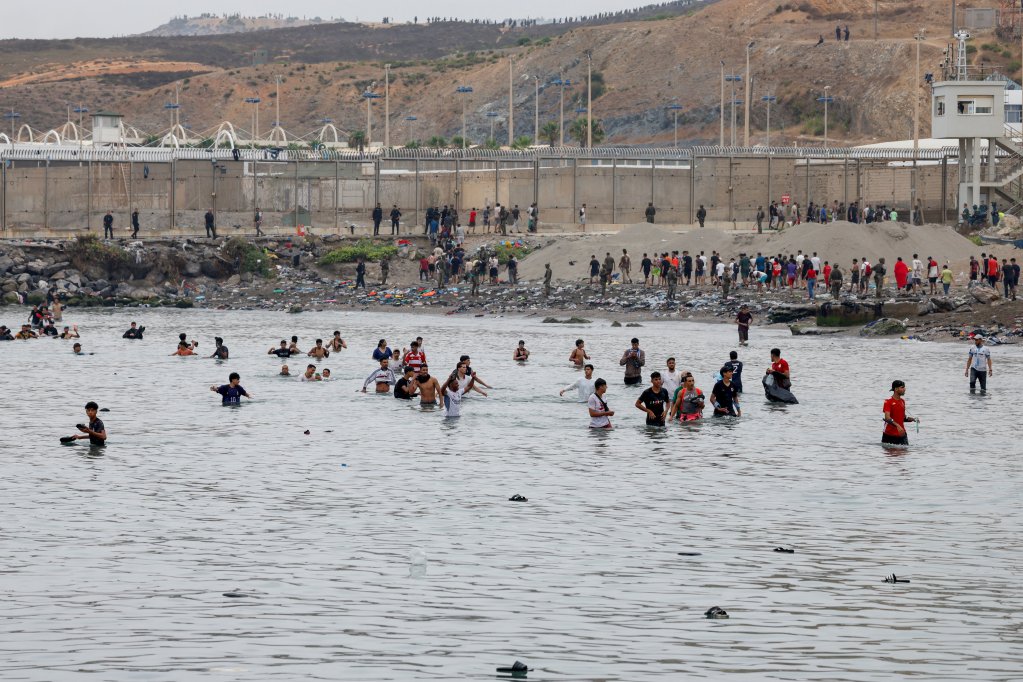
A report by Spain's National Center for Immigration and Borders has raised the possibility that the mass arrival of migrants in Ceuta on July 30 and 31 was preceded by logistical preparation, after estimating that between 8,000 and 10,000 apparently identical inflatable rings were used during the crossing at Tarajal beach.
According to the report, the inflatables -- black, with the same printed design -- may have been purchased in bulk and distributed in advance. Police concluded that it was unlikely migrants could have bought such a large number directly from shops or online on the day of the crossing, given the amount of stock that would have been needed.
The finding does not establish who bought, financed or distributed the inflatables. But it adds a logistical dimension to questions over how the July crossings were organized, and could become relevant to the criminal investigation now before Spain's National Court.
Read AlsoSpain: How will migration affect the upcoming election?
Evidence from Tarajal
The findings come from a report by CENIF, the National Center for Immigration and Borders, which was sent to Judge María Tardón at Spain's National Court. The report says the mass use of inflatable rings during the July 30 and 31 crossing points to a "logistical component" and advance planning, rather than a spontaneous or improvised acquisition of equipment.
CENIF estimates that between 4,000 and 30,000 inflatable rings were used during the crossing. Its most likely scenario is between 8,000 and 10,000 inflatables, of which approximately 80 percent were the same model: a black plastic ring printed to resemble a car tire.
The report estimates that between 100,000 and 125,000 people, most of them Moroccan nationals, took part in the crossing. It says the inflatables may have been purchased in bulk, stored and distributed at specific locations before the crossing, rather than brought by migrants from their places of origin.
Police based that conclusion partly on the limited availability of the inflatables in the area. The report identifies only four physical sales points in Castillejos, including three small bazaars and a larger toy store, and says none had enough stock to meet a sudden demand for thousands of units. Online sellers consulted by investigators limited orders to 100 rings per transaction, with delivery times of between two and 15 days.
Of 91 migrants interviewed in Ceuta between September 23 and November 13, only three said they had brought a ring from their city of origin. Of the 31 interviews in which the inflatables were mentioned, 21 respondents said they had bought them in Castillejos and seven said they had bought them on the beach before entering the breakwater.
The report also records the testimony of one migrant who said a soldier near the shore had sold inflatables to her and her friends for 270 Moroccan dirhams (about 27 euros). That account has not been independently verified and remains part of the evidence to be assessed by the court.
CENIF estimates that the inflatable rings used during the crossing may have cost between 18,000 and 330,000 euros in total, based on estimated unit prices of between 4.50 and 11 euros.
Read AlsoSpain ups pressure on North African countries as irregular migration increases
A criminal investigation
Judge María Tardón of Spain's National Court, who is handling the case, has asked the Maritime Rescue Coordination Center in Tarifa for information about rescues carried out on July 30 and 31. The request covers the times and locations of the rescues, the identities of those rescued and the units involved.
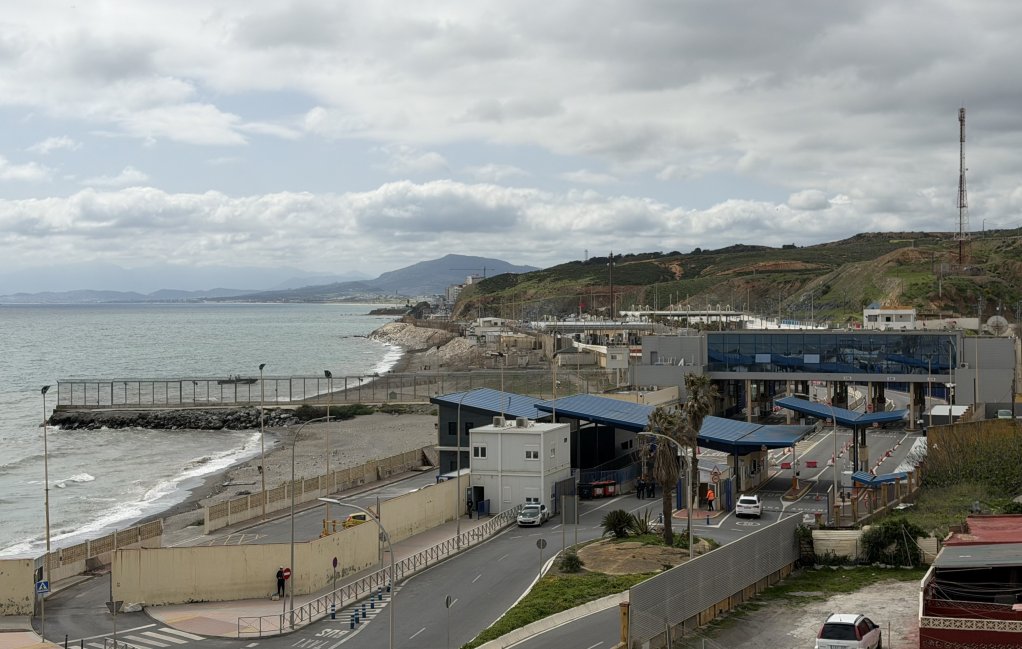
The judge has also asked the far-right Christian conservative group Hazte Oír, which has joined the case as an accusing party, for photographs and videos of a Ford Focus with Spanish license plates. According to the complaint, the vehicle was parked on the Tarajal breakwater in the early hours of July 30 and its two occupants allegedly assisted only some of the people crossing.
The National Court opened a criminal investigation into the mass arrivals in September. Judge Tardón's ruling cited a police report alleging that Moroccan security forces showed "total permissiveness" during the events. Spain's government has said there is no conclusive evidence that Morocco was responsible, while Morocco has not commented on the report.
Read AlsoSpain: Judge orders release of Ceuta intelligence files as first deportations begin
Warnings before the crossings
The investigation is also examining what Spanish authorities knew before the mass entry, and whether warnings were passed on effectively within the border-security system.
Judge Tardón is investigating a meeting on July 28 between Spain's consul in Tangier and Gonzalo Sanz, then chief of staff to the Government delegate in Ceuta, 48-hours before the crossings. A National Police inspector told the court that he had been instructed to open an exceptional lane to allow the consul to enter Ceuta urgently, an arrangement he described as unusual.
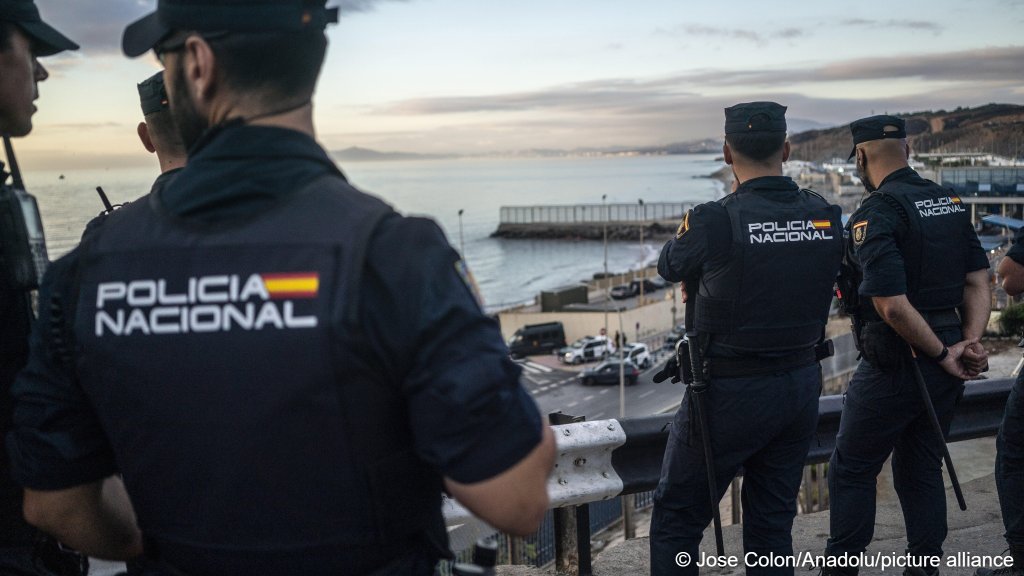
The inspector said police officers at the border had discussed rumors that the consul had traveled to Ceuta to warn of a large-scale entry from Morocco. But he said he had no direct knowledge of any such warning, and the investigation has not established that the meeting was intended to alert Spanish authorities to the events that followed two days later.
The head of the border post gave a less exceptional account, saying that authorities can speed up the transit of diplomatic representatives and that there is flexibility in the use of border crossings. Both testimonies confirm that the consul crossed into Ceuta and returned to Morocco the same afternoon.
Read AlsoIOM warns AI and digital disinformation are being weaponized against migrants and refugees
Disputed intelligence alerts
Police testimony has also revealed discrepancies over whether intelligence warnings reached those responsible for border security.
The regional head of operations for the National Police in Ceuta said the government delegation did not pass on any warning from the National Intelligence Center (CNI), about the risk of a large-scale arrival. The head of the border post likewise said he received no official or unofficial information about a specific CNI alert.
However, another inspector said he had received and printed an "extreme risk" alert from CENIF, the National Center for Immigration and Borders, at 9.09 pm on July 29. He said he received no instructions to change the usual policing arrangements and did not have the authority to increase staffing on his own initiative.
The officer in charge of the border post said any reinforcement had to be ordered by police superiors or the Government Delegation. According to his testimony, such an instruction was not carried out.
Read AlsoCeuta, rescue restrictions, and weak accountability test EU migration safeguards
Claims of inaction
Police commanders compared the response to the July crisis with the handling of a similar mass migration situation in May 2021, when reinforcements were deployed and specific orders were issued to control access.
One commander told the court: "We made it very easy for them. Nothing was done." He also said that, in the hours before the mass entry, officers had received warnings about unusual gatherings in the Moroccan town of Castillejos and that he had seen Moroccan personnel directing groups toward the border breakwater. These claims form part of the police testimony that the investigating judge will have to assess.
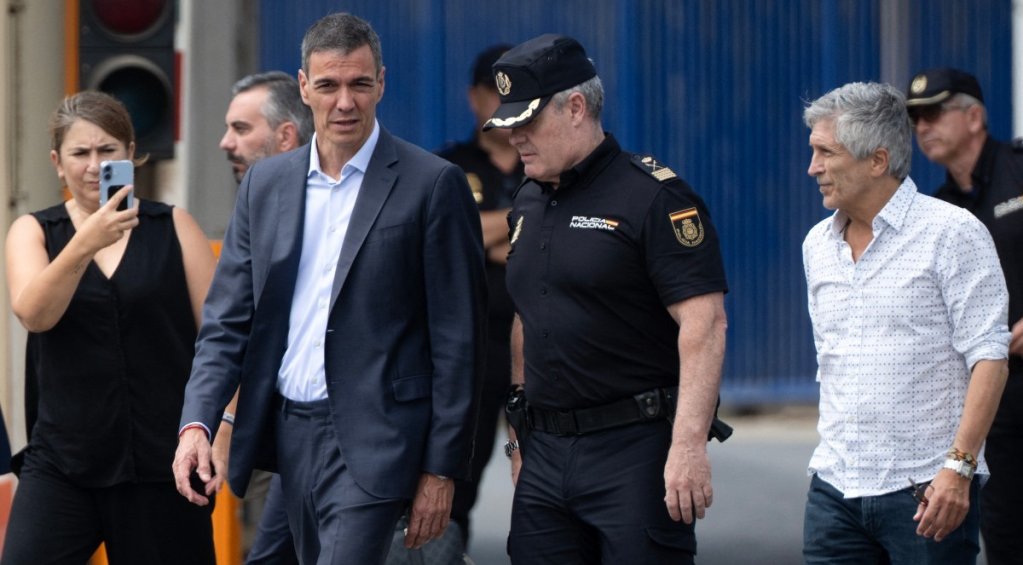
The former Government delegate in Ceuta, Miguel Ángel Pérez Triano, was cited as an investigated party for November 18. The judge is examining possible responsibilities within proceedings involving a suspected crime against the peace and independence of the state, although that status does not establish criminal responsibility.
Spanish media reported that Pérez Triano resigned on September 28 and that his former chief of staff, Gonzalo Sanz, told the judge he had informed his superior of warnings relayed by a CNI member on July 29, a version the former delegate denied. Sanz also provided 19 messages exchanged with Pérez Triano, the relevance of which remains to be determined.
Read AlsoCeuta: Additional 45.3 million euros allocated to deal with aftermath of migrant arrivals
The wider aftermath
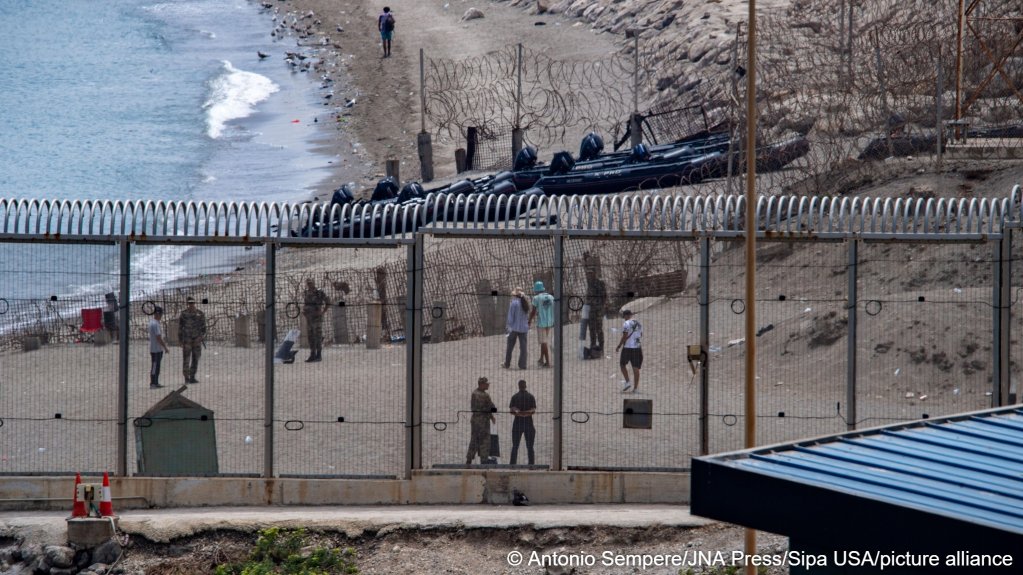
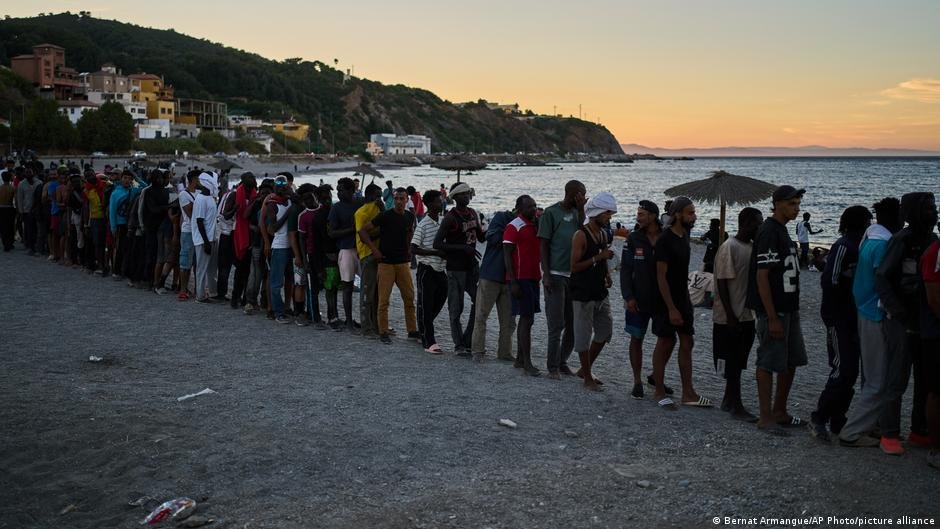
Following the mass crossings of July 30 and 31, when tens of thousands of people entered Ceuta from Morocco, many by swimming or using inflatables at Tarajal beach, Spain mobilized troops to reinforce security in the enclave as authorities struggled to manage the arrivals.
Spain and Morocco agreed a procedure to accelerate returns, although no timetable or exact data were published. Many of those who entered were subsequently returned, although thousands remained in Ceuta amid a prolonged reception and administrative crisis.
Spain declared a national security situation in Ceuta on August 25, saying the prolonged presence of large numbers of migrants had exceeded the city's ordinary reception and administrative capacity.

The inflatable-ring evidence could prove significant if investigators can establish a chain of supply, financing or distribution. It may help determine whether the July crossings were largely spontaneous, or whether equipment was procured centrally and made available at the border.
Still to be determined is who bought the inflatables, where they were stored, who distributed them, whether payment was involved, and whether new smuggling networks, like the one later identified in Cádiz was connected to the July crossings.
The investigation must also establish whether Spanish authorities received sufficient warnings, who knew about them, and why additional preventive measures were not adopted. For now, the CENIF report identifies indicators of advance planning, but it does not identify those responsible.