
From patrol vessels to long-endurance drones, Frontex is expanding its presence off Crete and around Europe. But surveillance alone has not made one of Europe’s most dangerous migration routes safer.
Rescue teams searched rugged terrain in southern Crete for 14 migrants reported missing after a small boat from North Africa reached the island on Wednesday (November 18).
Twenty men had been found near the Monastery of Koudoumas in the Kali Limenes area. They told Greek Coast Guard officers that 14 others who had been on board had climbed steep cliffs and headed inland. By the following morning, there was still no sign of them. In a separate operation, another 37 people were picked up at sea from a second boat about 40 miles off Crete.
The search came as the Cretan authorities have recorded a steep rise in arrivals. Around 24,000 people reached Crete in the first ten months of 2026, compared with approximately 17,000 throughout 2025, according to figures reported by Euronews. Most of the boats arriving on this Greek island depart from eastern Libya and cross hundreds of kilometers of open sea towards Gavdos or Crete’s southern coast.
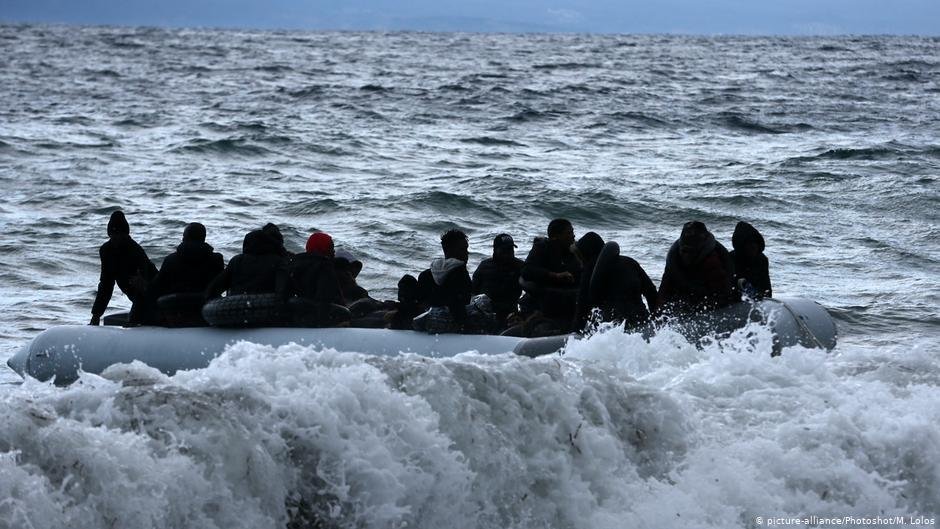
Frontex, meanwhile, reported that detections of irregular border crossings into the EU fell by 29 per cent in the first ten months of 2026, to almost 110,000. The agency’s figures are preliminary and compiled from reports by national authorities; the same person may be detected more than once at different border locations.
The contrast illustrates how unevenly migration pressure is distributed. While the Central Mediterranean recorded a 55 per cent fall in detections over the period, the corridor from Libya to Crete remained the busiest section of the Eastern Mediterranean route.
Read AlsoAt least 22 migrants found dead off Crete
A growing Frontex presence
Greece hosts Frontex’s largest operational presence in the EU. In Crete and Gavdos alone, the agency has deployed more than 40 officers, three aircraft, an unmanned aircraft and six patrol vessels to support Greek authorities. Greece retains operational command.
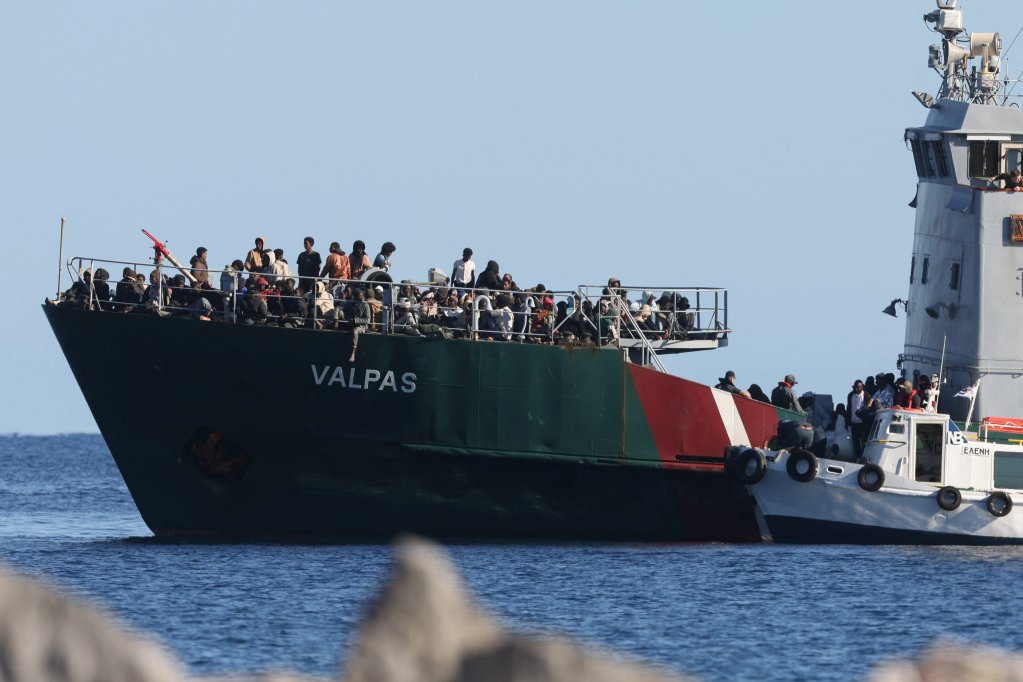
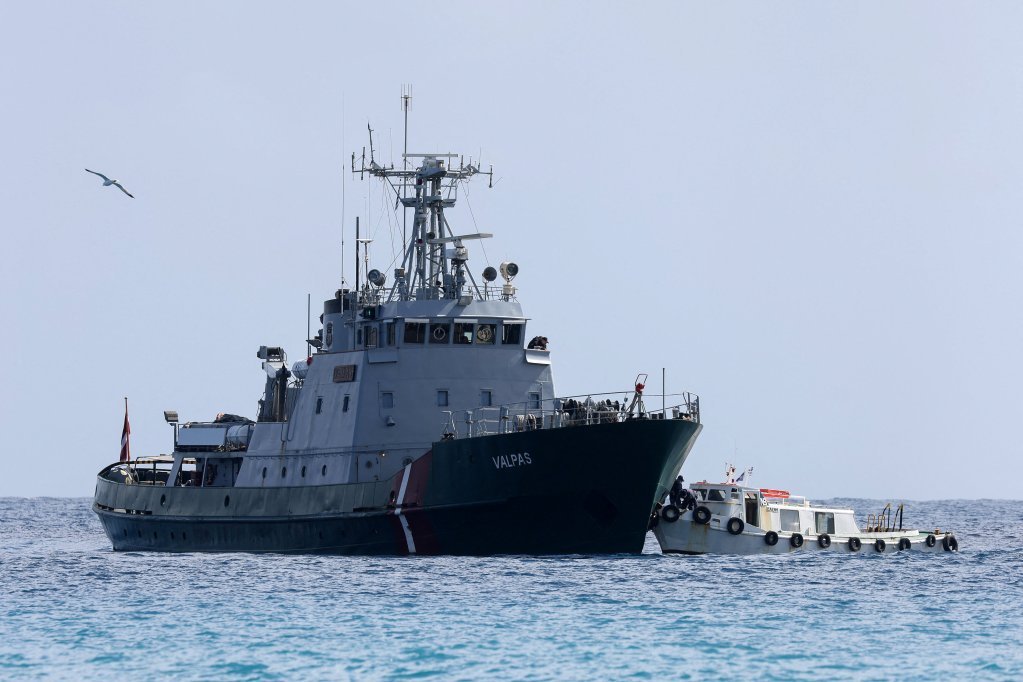
Among the vessels is the Latvian patrol ship Valpas, which has operated south of Crete for roughly 18 months. Its 20-member crew typically carries out 72-hour patrols in the Libyan Sea, supporting Greek-led rescue and border operations.
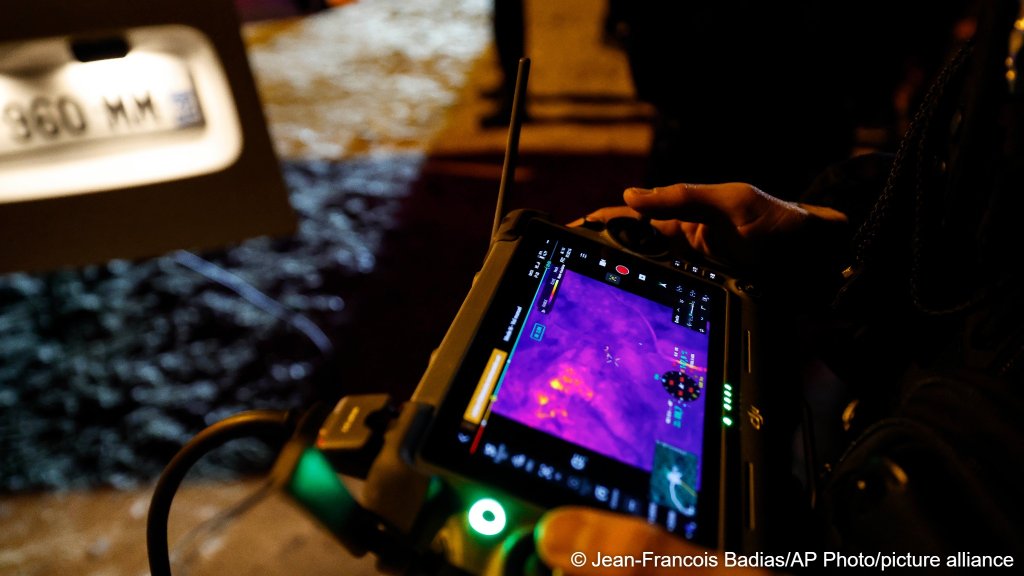
Frontex also operates a Heron 1 long-endurance drone from Tympaki airfield. The aircraft carries radar, high-resolution cameras and thermal imaging, and can stay airborne for more than 20 hours. Its imagery is transmitted in real time to the Hellenic Coast Guard’s operations center in Piraeus and to Frontex headquarters in Warsaw.
Frontex says early detection is important because the boats used by smuggling networks are often unseaworthy, overcrowded and vulnerable to engine failure or bad weather. Detecting them earlier, the agency told Euronews, can improve the chances of rescuing those on board.
Read AlsoGreece: New migrant arrivals in Gavdos take 2026 arrival tally to over 35,000
More technology, continued risk
Despite the patrols and surveillance, boats continue to reach Crete. Local Coast Guard officials in Heraklion told Euronews that, in one 48-hour period, 13 boats carrying approximately 400 migrants arrived in their area of responsibility. Around 20 people were found dead during the same period.
Greece has recorded more than 40,000 undocumented arrivals by land and sea so far this year, according to figures reported by Greek authorities. Around 24,000 of those arrivals were on Crete.
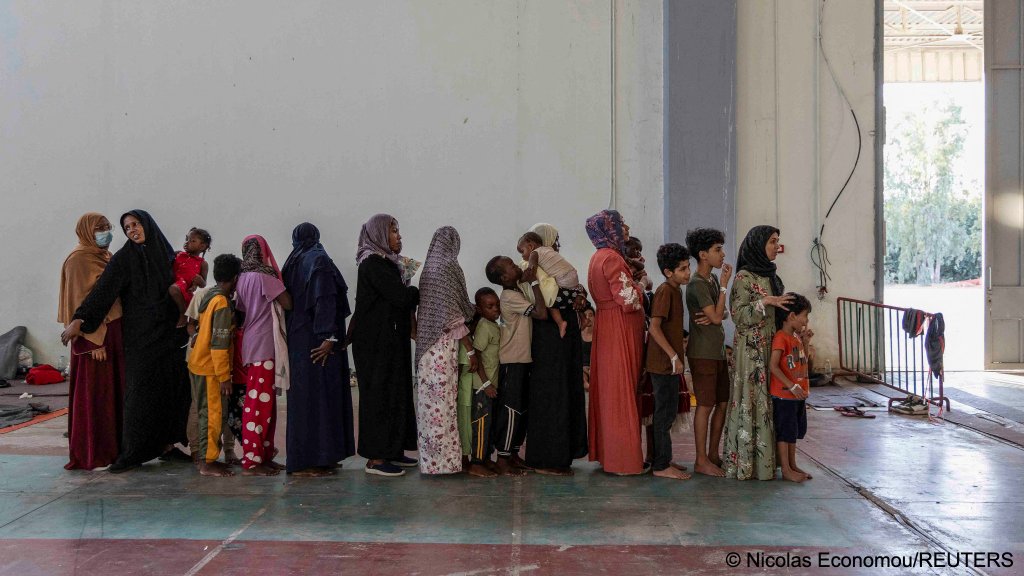
The increase has put pressure on temporary reception facilities and fueled opposition among some residents and local authorities, who object to migrants remaining in their communities. New arrivals are transferred to temporary accommodation while awaiting transport to mainland Greece.
Frontex Executive Director Hans Leijtens said the fall in EU-wide detections did not mean smuggling networks had disappeared.
"Smuggling networks do not disappear when the numbers fall. They move, and they wait for an opening. Our job is to be ready when they find one," he said.
He pointed to the Western African route to the Canary Islands, where October detections were four times higher than a year earlier, even though the route remained 13 per cent lower across the first ten months of 2026.
Read AlsoBrussels proposes turning Frontex into the EU’s central returns agency
Surveillance and rescue
Frontex’s expanding aerial capability has become a central part of its work in the Mediterranean. It has also raised questions about how surveillance information is used, and whether detection always leads to rescue.
Researchers at LIMINAL, a University of Bologna laboratory studying mobility and border violence, told EU Perspectives that European authorities have increasingly shifted from a naval presence in the Central Mediterranean to aerial monitoring. They say this can allow boats to be detected soon after departure and information to be passed to Libyan and Tunisian authorities, who may then intercept vessels and forcibly return people to unsafe conditions.
LIMINAL estimates that at least 33,000 people were returned to Libya or Tunisia between 2018 and 2024 in operations that the research group says received support from Frontex. The figure is the laboratory’s estimate, based on its research into aerial surveillance and border incidents.
Frontex says its operations are carried out in cooperation with national authorities and within its mandate. The agency says its surveillance helps Greek authorities detect boats and coordinate search and rescue operations.
The distinction between detection and rescue remains important. A patrol vessel can physically rescue people at sea. A drone can identify a vessel and transmit its position, but it cannot bring people ashore.
Critics argue that aerial surveillance can support interception and returns as well as rescue. Frontex says its role is to support member states and protect lives at sea.
Read AlsoReactions continue to the European 'return hub' plan for Rwanda
Questions over accountability
The growing role of drones and private contractors has also raised questions about transparency and responsibility.
Under Frontex’s Multipurpose Aerial Surveillance framework, aircraft and drones can send real-time imagery to the agency’s Situation Center in Warsaw. Frontex staff and representatives of national authorities assess the information there and decide how to respond.
Private companies provide many of the aircraft, drones and pilots used in these operations. Researchers and rights groups argue that this can make it harder to establish who made a particular decision, especially when information passes through several public and private actors.
Frontex’s record has previously been scrutinized. A 2021 review of the agency’s operations in the Aegean found that several alleged incidents could not be conclusively clarified and called for stronger reporting and fundamental-rights safeguards.
The European Union Agency for Fundamental Rights has also raised concerns about aerial surveillance in pre-frontier areas and the sharing of sightings with third countries accused of abuses against migrants.
Frontex says it has strengthened its fundamental-rights architecture. Civil-society organizations continue to call for greater access to operational data and clearer public accounting of how surveillance is used.
Read AlsoBelgium approves home raids for migration enforcement
Monitoring moves online
The debate is now extending beyond the Mediterranean. In October, the European Commission proposed a wider reform of Frontex, including an Online Monitoring and Response Center that would monitor publicly accessible social-media content relevant to external border management.
Under the proposal, Frontex would be designated a trusted flagger under the Digital Services Act and could notify online platforms of illegal content. It could also ask national competent authorities to issue removal orders in line with the DSA. The Commission says the center would help detect dangerous trends early, improve information exchange and enable faster responses to emergencies.

The proposal has drawn opposition from 27 civil-society organizations, including the Center for Democracy and Technology (CDT) Europe (The center describes itself on its website as "the leading nonpartisan, nonprofit organization fighting to advance civil rights and civil liberties in the digital age"). Experts at CDT argue that the DSA reserves powers to issue content-removal orders and seek user information for designated national authorities, and that involving Frontex in such requests would blur institutional responsibilities.
They also warn that broad categories of "border-security risk" could capture lawful online speech, including material posted by migrants, asylum seekers, activists and family members. The Commission says the proposal preserves the DSA’s enforcement framework and that Frontex would act within its mandate on detection and signaling.
The proposal must still be negotiated by the European Parliament and the Council.
Read AlsoFrontex’s new powers: more returns, less oversight?
A changing border
For now, the immediate challenge off Crete remains operational: finding boats, rescuing people and responding to arrivals on an island that has become one of Europe’s busiest southern gateways.
But the wider debate is shifting. As Frontex expands its drones, surveillance contracts and proposed online-monitoring role, the question facing EU policymakers is not only whether the agency can detect more boats. It is also how surveillance is used, who is accountable when things go wrong, and whether Europe’s border system can protect the people it monitors?
Read AlsoEurope’s externalized migration policies face a human rights test