
The return of 158 Sudanese nationals from Libya, via the voluntary humanitarian return program, comes amid massive internal displacement and volatile conditions back home. In Sudan, millions face a lack of basic services and damaged infrastructure.
A group of 158 Sudanese migrants safely returned home from Libya on Wednesday (November 18) as part of a voluntary humanitarian return initiative, news agency Reuters reported
The program offers safe passages for stranded migrants seeking to escape difficult living conditions and security challenges in Libya, where many migrants remain vulnerable to exploitation, abuse, and arbitrary detention.
Libya has long been a primary transit hub and destination for hundreds of thousands of migrants fleeing armed conflict, poverty, and political instability across North and East Africa. However, ongoing instability, militia dominance, and poor security conditions inside Libya leave thousands trapped in precarious circumstances.
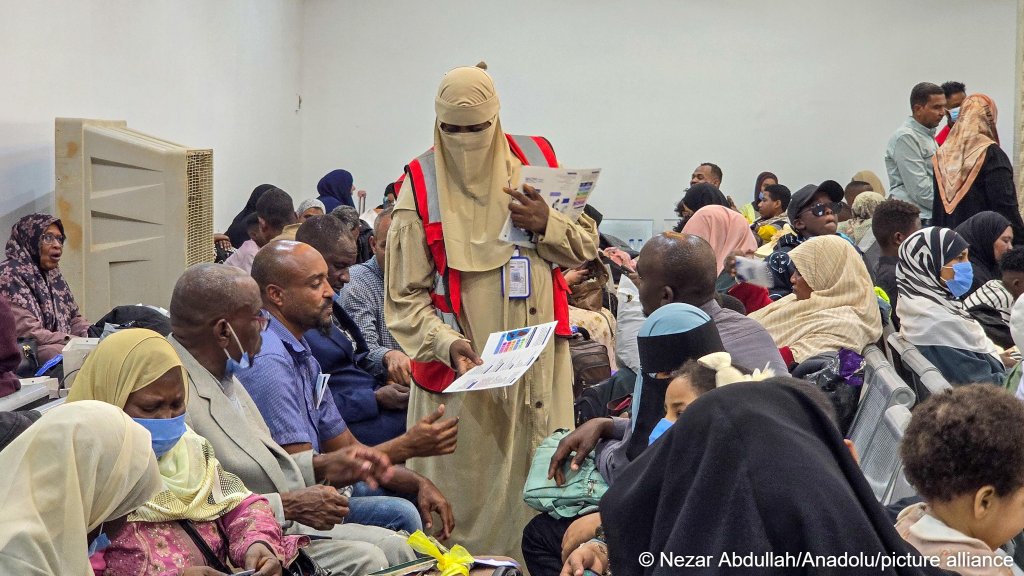
Many migrants in Libya face severe human rights violations, including forced labor, extortion, and harsh conditions within formal and informal detention facilities. For many, voluntary return programs organized by international migration authorities represent one of the few viable, safe, and dignified ways to leave the country.
Read AlsoEastern Libyan authorities claim they have deported more than 100,000 irregular migrants
Humanitarian crisis
The return of these 158 individuals occurs against the backdrop of a colossal displacement and humanitarian crisis within Sudan. Since war broke out in April 2023, more than 11 million people have been uprooted from their homes, making Sudan the site of the world's largest internal displacement situation.
Millions of Sudanese have sought refuge in neighboring countries such as Chad, South Sudan, Egypt, and Libya, while more than six million remain displaced inside the country, according to the latest UNHCR data, last updated on November 9.
Despite ongoing volatile conditions and persistent fighting in regions like Darfur and Kordofan, significant numbers of displaced persons have begun returning to areas perceived as comparatively stable: According to UNHCR, some 5.4 million of those formerly displaced have since returned to their homes to and within Sudan.
The overwhelming majority (81 percent) of returnees moved back from internal displacement, with the rest having returned from abroad. Nearly 100,000 people were recorded as returning from Libya, over half a million from Egypt and around a quarter of a million people from South Sudan.
Read AlsoSudanese refugees in Egypt: caught between war, borders and European money
Returnees face severe difficulties
According to international tracking data, over two million people have returned to their communities across several Sudanese states, including Khartoum, Blue Nile, River Nile and West Darfur.
However, returning families face immense hurdles. Critical infrastructure has suffered severe damage, leaving basic necessities like clean water, electricity, and health care in short supply. Additionally, unexploded ordnance continues to pose deadly risks to civilians in residential areas.
Humanitarian agencies operating on the ground warn that funding shortages severely limit their ability to deliver essential shelter, health services, and reintegration support for returnees. Without sustained international backing and resources, communities absorbing returnees will struggle to rebuild amid widespread destruction and economic hardship.