
Deaths and disappearances on sea routes to Europe rose by nearly 20 percent so far this year, compared to the same period last year. In response to these rising numbers, the UN agency decided to launch a new initiative to counter the many perils involved in maritime migration routes.
According to UNHCR, the first nine months of 2026 saw considerable increases in fatalities and disappearances along irregular sea routes to Europe.
Between January and September 2026, recorded deaths and disappearances at sea on routes towards Europe increased by almost 20 percent, stated UNHCR. In total numbers, there was a rise from 2,100 to 2,500 compared to the same period in 2025.
The central Mediterranean migrant route from North Africa to southern Italy and Malta remained the deadliest single corridor, with over 1,000 people known to have died or gone missing, many concentrated in a few weeks of storms in the early part of the year.
The numbers of those who died on this route were particularly stark when compared with the overall decrease in the numbers of people who actually made the crosing. Arrivals in fact on the central Mediterranean route, mostly from North Africa to Italy, declined by more than half.
Read Also'Missing in the Mediterranean': Organization sounds alarm about missing migrants
In the Eastern Mediterranean in particular, recorded deaths and disappearances increased by 80 percent in the same ten month-period (January to October) compared to the previous year.
The UN refugee agency said that these numbers highlight major shifts across Europe's main sea corridors, reflecting patterns shifting from the central Mediterranean towards Italy towards eastern Libya towards the southern Greek islands of Crete and Gavdos in particular.

Read AlsoDozens of migrants feared dead off Libyan coast
Increased interceptions on Atlantic route result in fewer deaths
Atlantic journeys from the West African coast to Spain's Canary Islands meanwhile have also seen increasing numbers of deaths and disappearances.
Nearly 600 deaths and disappearances have been documented to date in 2026 along what is widely being described the most dangerous migrant route in the world; the Atlantic journey usually takes more than a week on overcrowded vessels, which are known to be incredibly unseaworthy.
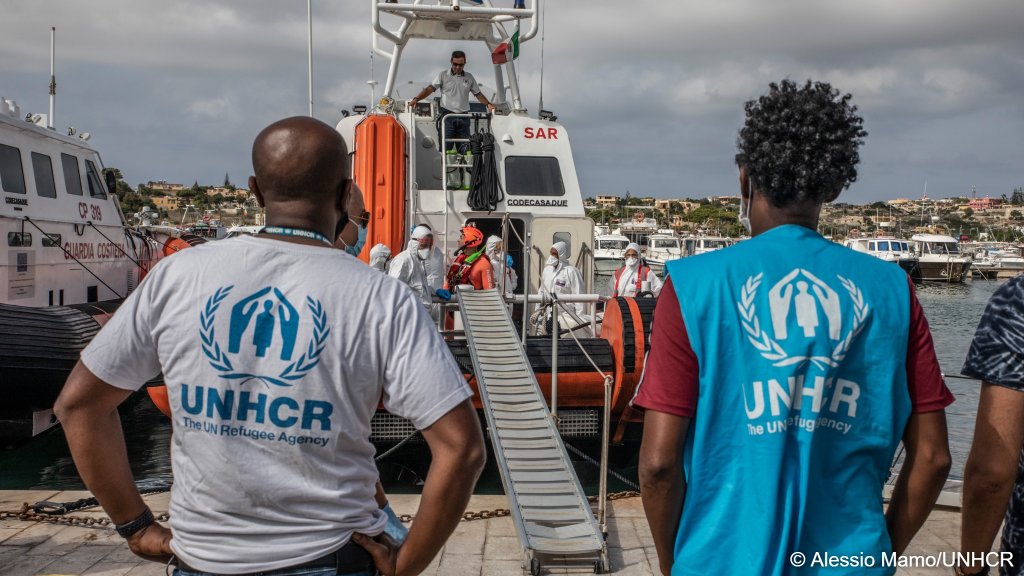
For this year, the death tally for the Atlantic route stands at roughly half the number of deaths registered on that route in the whole of 2025. This might be partly because the number of interceptions and blocks to migrating on that route have increased, but also, on such a wide body of water, it is difficult to really know exactly how many people may have died without leaving a trace.
Some groups meanwhile put the number of deaths significantly higher, with the Spanish migrant NGO Caminando Fronteras estimating more than 1,300 fatalities in the first five months of 2026 alone.
Read Also'Every life lost at sea is a tragedy' -- EU on migrant deaths in the Mediterranean
New UN initiative to combat deaths at sea
UNHCR also mentioned a rise in deaths on other irregular journeys across the world, with at least another 1,000 deaths known to have occurred in southeast Asia and on routes towards the Arabian peninsula.
In response to these mounting numbers, the UN agency announced the launch of its "Global Initiative on Protection at Sea 2.0" initiative on November 17; the project intends to strengthen governmental search-and-rescue missions along major migratory sea routes by raising awareness and communicating more closely with countries affected by mass migration.
The framework also seeks to improve conditions in typical disembarkation ports, ensure earlier access to asylum procedures, and other measure to prevent further loss of lives, highlighting that many deaths and disappearances are preventable.
"The initiative, in partnership with IOM, the UN Human Rights Office, UNICEF and other stakeholders, calls for renewed international solidarity and action to save lives, expand access to protection and strengthen cooperation along maritime routes worldwide," the UN agency said in a statement.
Elizabeth Tan, UNHCR Director of International Protection and Solutions added that "[p]rotection cannot begin only when a boat is in distress, nor can it end when people reach shore. It must be available as early as possible along the route. "Every life lost on a dangerous sea journey is a stark reminder of the urgent need for stronger, more predictable and better coordinated action."
Read AlsoMore deaths, fewer arrivals: Migration to Europe is becoming increasingly lethal
Perils beyond drowning at sea
UNHCR warned that people seeking safety or better economic opportunities in Europe continue to face severe dangers both on sea and on land, emphasizing the fact that there are multiple hazard beyond irregular sea journeys.
The international body stressed that there is widespread exposure to human trafficking and exploitation.
Furthermore, there are various documented instances of deaths along migratory land routes, with mass graves in countries like Libya painting a worrying picture about the realities of irregular migration.
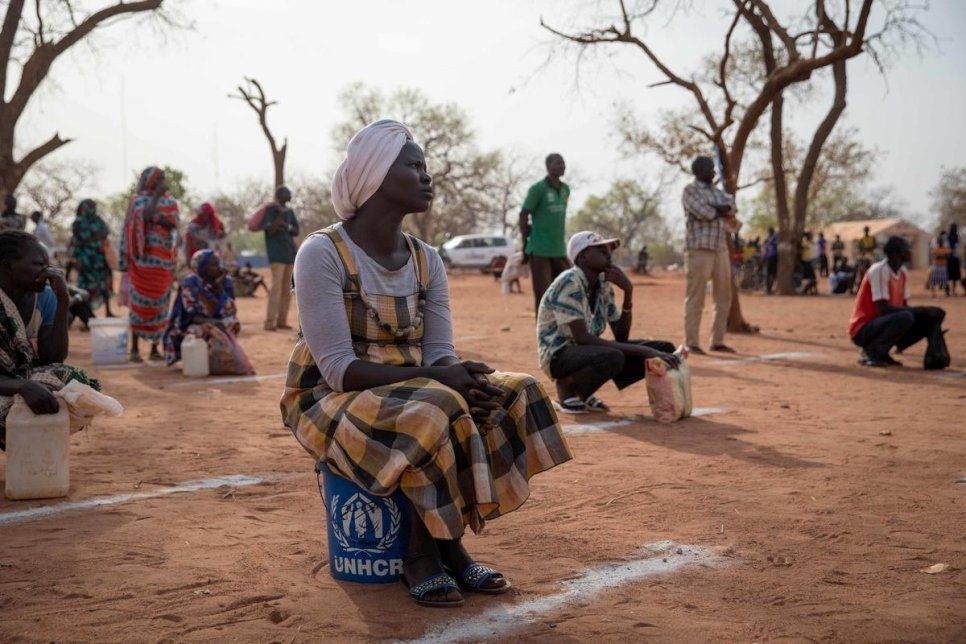
Read AlsoMass grave of migrants discovered in eastern Libya, survivors report torture