
A deportation order against a 27-year-old asylum seeker in Germany has been upheld for the time being. The Afghan's case came to court after he shared social media posts, which amounted to a gross incitement of hatred — including seriously anti-Semitic views. The latest decision can still be appealed at a higher-level court — though the specifics of the verdict are unlikely to allow any additional scope for his defense.
The Administrative Court in Düsseldorf ruled on November 13 that a removal order against a 27-year-old man from Afghanistan should be upheld — despite an emergency motion against the deportation order being filed days earlier. The decision was made public on November 16.
The man is accused of sharing Islamist social media posts calling for the murder of Jews, which under Germany's laws against anti-Semitism come with considerable penalties — including the removal of asylum seekers.
Read AlsoAnti-Semitic migrants could be denied right to stay in Germany – Interior Ministry
In his social media messages, he had also called for so-called jihad against non-Muslims, with an intention to spread extremist Salafist views online. According to court records, the man had also called for the establishment of a caliphate — in defiance of Germany's democratic values.
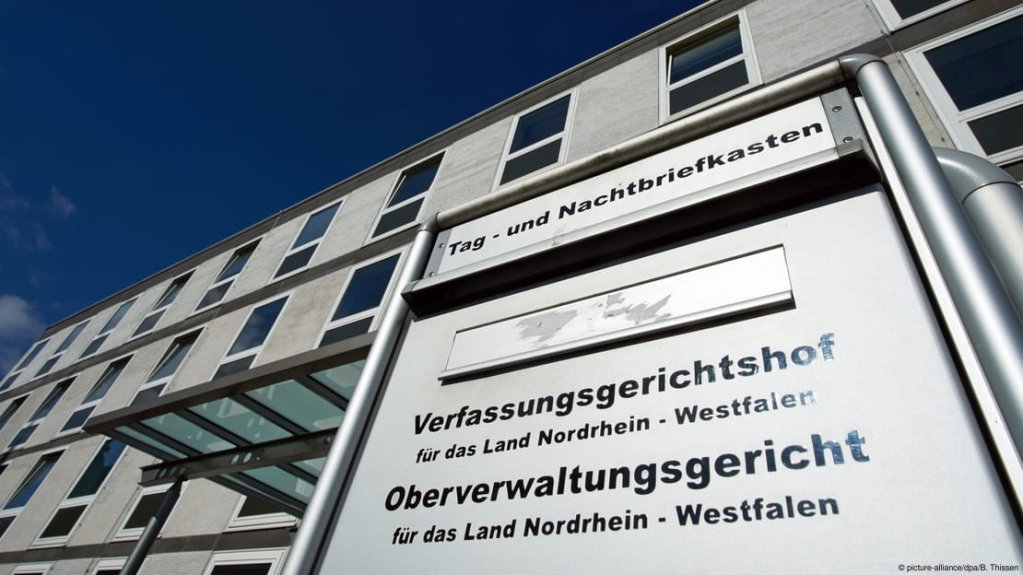
An appeal against the decision issued in Düsseldorf may yet be filed with a Higher Administrative Court, which could delay the Afghan's deportation.
Read AlsoAre you at risk from extremists?
Ban on social media but not on re-entry
Until the deportation takes place — or until the decision against the Afghan man is possibly reversed at a higher court — the man will also remain banned from using social media — in order to prevent the proliferation of further messages of incitement to violence.
Read AlsoGermany: Court upholds revocation of Somali influencer's refugee status
The original ruling against the Afghan by a lower court also came with a 20-year entry ban into Germany.
The Düsseldorf Administrative Court, however, deemed that to be unlawful on legal grounds.
It said that such prohibitions could only apply to confirmed perpetrators of war crimes or of acts of terrorism but not to those who shared hateful messages on social media platforms.
Read AlsoGermany widens deportations to Afghanistan
With EPD