
The number of bodies recovered after a migrant boat wreck off Senegal has risen to 43. The number remains "provisional" as rescue crews continue searching the country’s northwestern coastline. Meanwhile the families who lost relatives are left grieving their losses.
The number of bodies recovered after a migrant boat wreck off Senegal last week has risen to 43, as rescue crews continue searching the country’s northwestern coastline.
Fire commander Amadou Fall told news agency Agence France Presse (AFP) Wednesday (November 11) that another body had been found in Gandiol, near the mouth of the Senegal River in the Saint-Louis region. The recovery brought the "provisional" toll of the shipwreck to 43 dead and one survivor."
The boat sank near Lompoul in what has been described as one of Senegal’s deadliest migration tragedies in recent years.
During a press briefing on site on Monday (November 9), the governor of the Louga region, Ndeye Nguenar Mbodj, indicated that "23 bodies [had] been identified and returned to their families." Subsequently, the numbers rose as more bodies were recovered.
One survivor identified as Baye said the overcrowded boat struck a sandbank while returning towards shore after being spotted by the navy. Some passengers jumped into the water believing they had reached land. He estimated at least 150 people were aboard, mostly young men.
In a social media post, the Senegalese Navy said that 759 people on four boats were rescued yesterday as they tried to cross the Atlantic and enter Europe. The rescue was in addition to the 817 people who were also rescued over the last week.
A village of grief
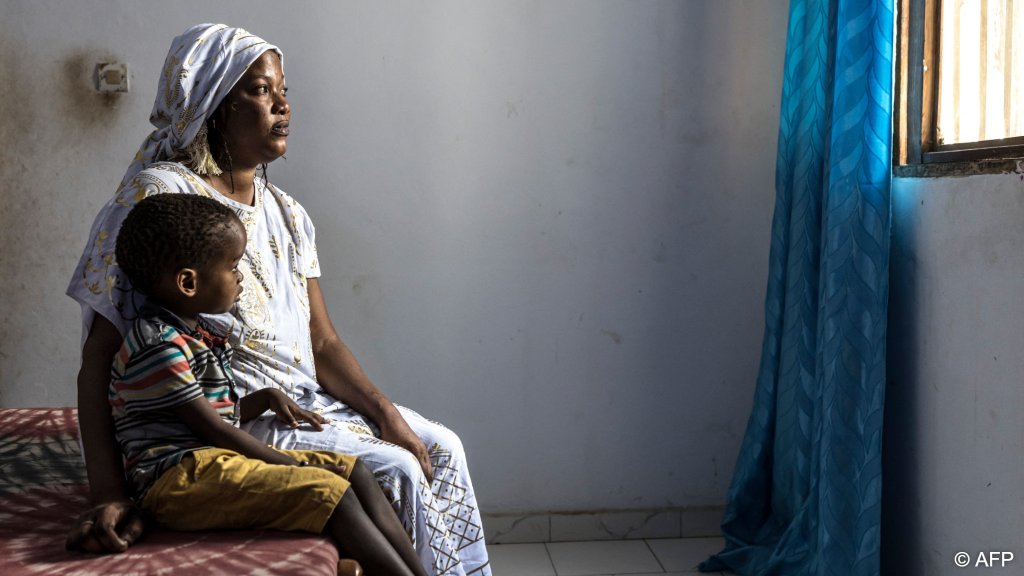
In the Senegalese town of Potou, parents speaking to AFP mourned the death of their sons. Some did not know their children had even left on the perilous journey across the Atlantic.
Djiby Sogue mourned the death of his two sons, aged 18 and 20. He said that families needed opportunities allowing their children to earn a living at home, and feared his remaining sons might also attempt the journey. Another father, Ibrahima Diaw, said he had not known his son intended to leave.
Interior Minister Mouhamadou Makhtar Cissé reportedly visited the affected communities on Monday, promising support for families and stronger action against smuggling networks. The ministry also called for closer cooperation with neighboring countries regarding maritime surveillance.
Read AlsoMany killed after migrant boat sinks off Senegal
Setting sail for a better future
The disaster has renewed attention on the pressures facing young Senegalese people seeking work and a route towards financial independence.
Senegal’s national statistics agency pegged unemployment among economically active citizens between the ages of 15 to 34 at 23.5 percent in the second quarter of 2026. An estimated 35.3 percent of all 15–24-year-olds were neither employed nor in education or training, rising to 46.3 percent in rural areas.
A 2023 study interviewed fishers across three key fishing villages in Senegal and found that three factors increased the desire to migrate. Threatened food security amid dwindling fish stocks, threatened cultural existence and development of fishing communities, and the difficulty in finding other work all played into those who had previously made their living from fishing to try and seek other opportunities.
"I have a lot of pity for future generations because … the situation will only get worse. I do not think they will find fish in the sea," one respondent said in the study. Several studies have found that small scale artisanal boats are now forced to compete with industrial shipping fleets and are no match for the might of Chinese and European trawlers, who also fish in Senegal's fishing grounds.
A 2025 Afrobarometer survey conducted by Senegal’s Consortium for Economic and Social Research found that 60 percent of respondents aged 18–35 had considered emigrating at least a little. Among young people considering leaving, roughly eight in 10 cited better employment opportunities as the reason they might think about leaving.
About three quarters of the Senegalese population is under 35 years old.