
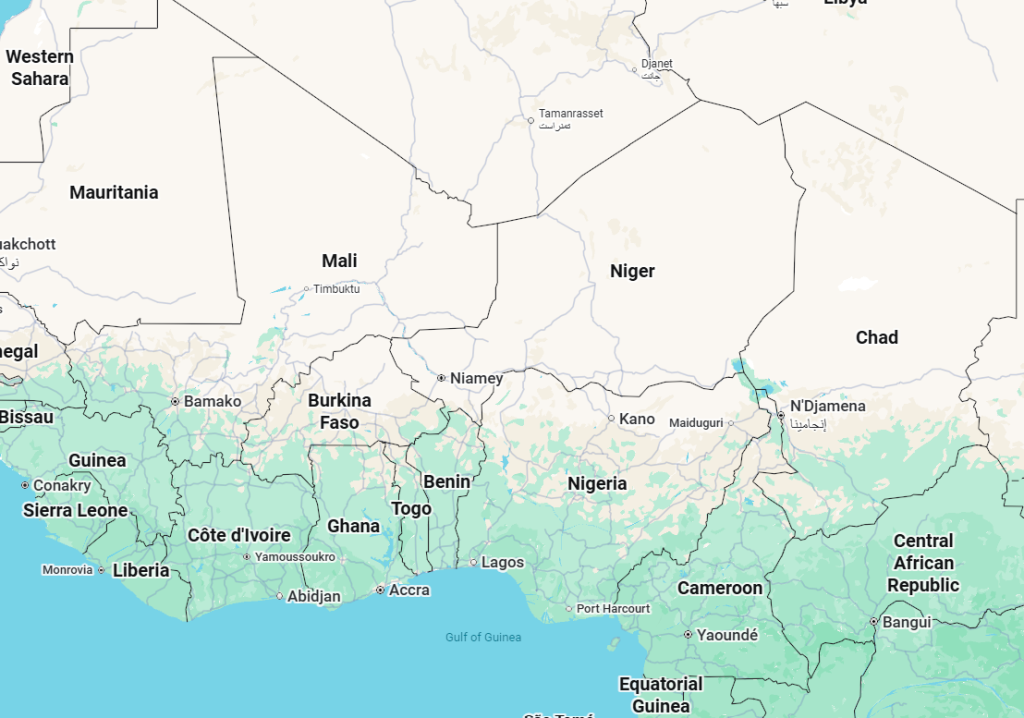
The United Nations have warned of a "deepening humanitarian and protection emergency" in Niger, Nigeria and Benin amid over 60,000 people fleeing attacks by Islamist militants and armed gangs in northern Nigeria. The UN also reports rising malnutrition, disease and poor sanitation among arrivals.
Nearly 64,000 individuals have fled northern Nigeria into neighboring Niger this year as violence by Islamist militants, armed gangs, and intercommunal clashes intensifies, the UN refugee agency UNHCR and the United Nations (UN) said in joint press releases published on Tuesday (November 10).
According to UNHCR, the mass displacement has been worsening an already dire humanitarian situation in the region.
In Niger, which reportedly already accommodates more than half a million refugees and asylum seekers, including over 327,000 Nigerians, the mass arrivals have severely strained host communities and resources, UNHCR said further.
Several hundred Nigerians have also sought safety in Benin, which borders both countries.
"Thousands of newly arrived refugees, many of them children, are struggling to survive with limited access to food, clean water, shelter and essential services, as humanitarian resources fall critically short," UNHCR spokesperson Dominique Hyde stated in the UNHCR press release.
Read AlsoNiger: Nearly 15,000 migrants pushed back from Algeria so far in 2026
'Struggling to access essential assistance'
According to the UN, the majority of new arrivals have settled in Niger's border regions of Diffa and Tahoua. In Diffa alone, more than 23,000 people have reportedly arrived since January, with children making up more than two-thirds of that total, UNHCR said.
The UN has warned further that conditions for the displaced population are rapidly worsening. Many families are living in makeshift shelters with critical shortages of food, clean water and healthcare.
Hyde noted that women often walk several kilometers daily to fetch water, while children struggle to survive in crowded conditions. Compounding these difficulties is a severe lack of formal registration.
According to UNHCR spokesperson Eujin Byun, relief efforts were being further hampered as 34,000 people had not yet registered, "leaving them at heightened risk and struggling to access essential assistance," she told news agency AFP.
Without official legal documentation, they are also unable to access social safety nets and formal aid distributions, Byun added.
Cross-border security threats
The displacement is driven by complex, long-standing security challenges across northern Nigeria. Attacks by militant groups such as Boko Haram and Islamic State West Africa Province (ISWAP), alongside violent rampages by criminal bandit networks and farmer-herder conflicts, have uprooted millions over the past decade.
A militant Islamist movement most active in northeastern Nigeria, Boko Haram also has footholds in Chad, Niger, Cameroon and Mali. One of its stated goals is to introduce Sharia law across its territory.
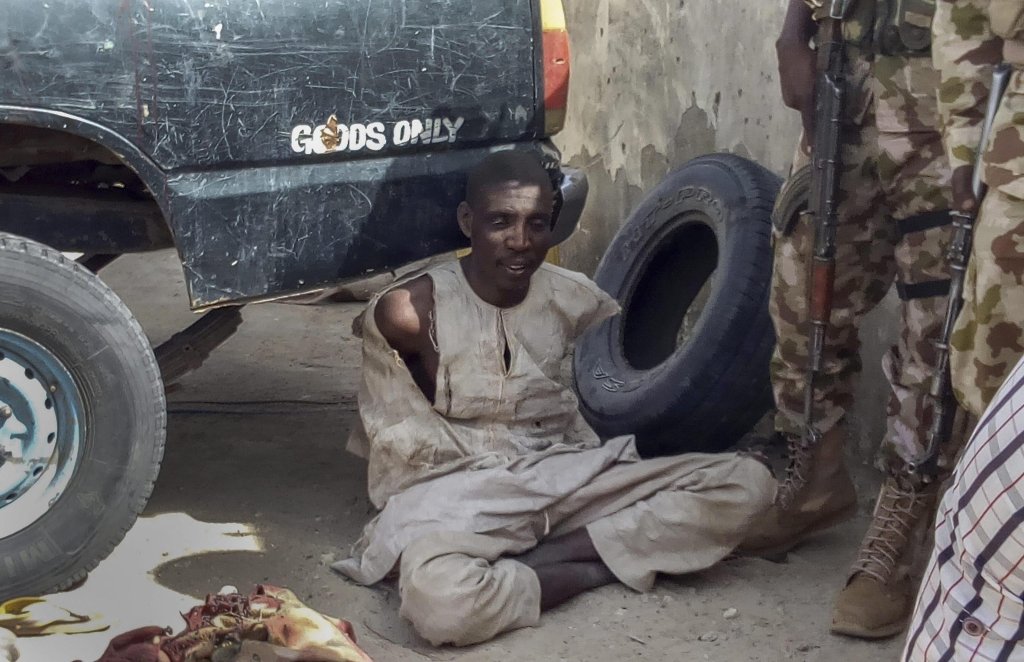
Security threats have increasingly spilled over international borders, prompting a joint regional military response among neighboring nations, AFP reported.
In addition to violence, environmental stress and climate-related pressures are worsening conditions, UNHCR's Hyde stressed. In Niger's Diffa region, security incidents remain frequent, with over 70 percent of the country's reported security events occurring in the area this year, she said.
The UN moreover reports sharp increases in malnutrition, respiratory infections and waterborne illnesses among new arrivals due to inadequate sanitation and hygiene infrastructure.
Read AlsoHow the Sahel became a smuggling hotspot
Appeal for funding
Humanitarian operations across the region are facing severe funding constraints. UNHCR has launched an urgent appeal for 11.4 million US dollars (around 10.2 million euros) to scale up its emergency response across Niger, Nigeria and Benin.
Without immediate financial support, UNHCR warns that "thousands of vulnerable families risk being left without essential assistance and protection as displacement continues."
with Reuters, AFP