
More than one million Sudanese refugees in Egypt are facing a second crisis. After fleeing war, many are left in legal limbo and exposed to poverty, violence and deportation. Human rights groups and UN experts have raised concerns about Egypt’s treatment of refugees, while the EU has increased migration-related support to Cairo.
For many Sudanese refugees, reaching Egypt has not brought an end to the hardship they fled. More than one million Sudanese refugees in Egypt face a legal vacuum, arrest and deportation campaigns, and pressure to return to a country still affected by war.
Samah Abdel Gawad, a Sudanese woman interviewed by the Tahrir Institute for Middle East Policy that published an article about this in August 2026, said she fled Khartoum in mid-2023 after war between the Sudanese Armed Forces and the Rapid Support Forces destroyed her life and that of her children. She described hiding her remaining money and gold in her clothes during the journey and enduring a long wait at the Arqin border crossing before entering Egypt.
Once in Cairo, she found that safety remained fragile. Her residency permit is renewed annually through procedures she described as slow, leaving her without valid documentation for long periods and in constant fear of being stopped and deported, despite being registered with the UN refugee agency, UNHCR. Her story is not an isolated one.
Read AlsoBetween Cairo, Khartoum and Europe: Sudanese refugees and the limits of "voluntary return"
Life in Cairo
Like Samah Abdel Gawad, many Sudanese families live in overcrowded and marginalized neighborhoods, where rent, food, healthcare and schooling consume limited incomes. Support workers interviewed by The Guardian said parents working long hours often leave children unsupervised, exposing them to gangs, exploitation, drug use and violence.
Miriam, a Sudanese mother of five, told The Guardian newspaper that her 14-year-old daughter, Jana, was repeatedly threatened by a gang member as she walked home from work. She said Jana was eventually stabbed, leaving a deep wound in her thigh. Miriam said she asked UNHCR for help finding safer housing but did not receive it.
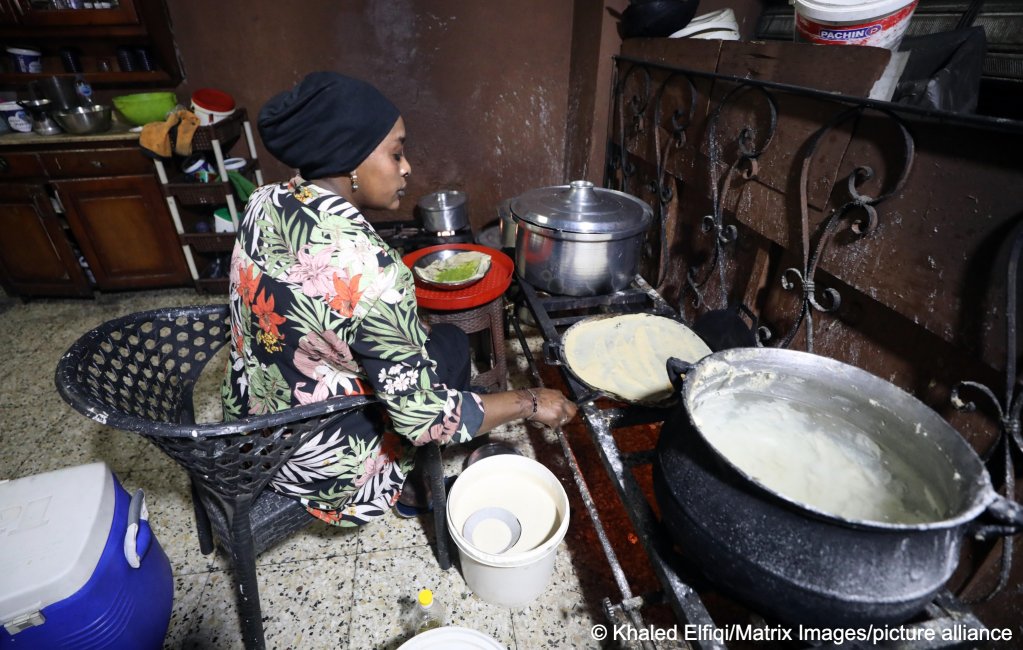
Azza, 52, told The Guardian that she arrived in Egypt with her seven-year-old granddaughter after her daughter and son-in-law were killed in a missile attack in Sudan. She said the child remembered soldiers chasing them and the friends she had lost. "She’s not the same as she used to be," Azza said. "She gets lost in her thoughts and forgets things."
Read AlsoThree-quarters of world's displaced people face severe climate risks, UN says
Trauma and education
Social workers and psychologists interviewed by The Guardian described high levels of trauma among Sudanese refugee children. Tala, a social worker, said one eight-year-old boy became suicidal after his father was killed in Sudan. She said he repeatedly told his mother that he wanted to die so he could join his father.
Rajia, a clinical psychologist, said refugee children had been pushed to a "violent" breaking point. She said children acted out scenes from the war and, when asked to draw, drew cannons or fighter jets. She also reported a rise in self-harm and suicide among young teenagers.
Tala said one of the most common problems she faced was that many children had lost the will to learn. She said they told her: "I’m not going to benefit from this. I will never be able to continue my education."
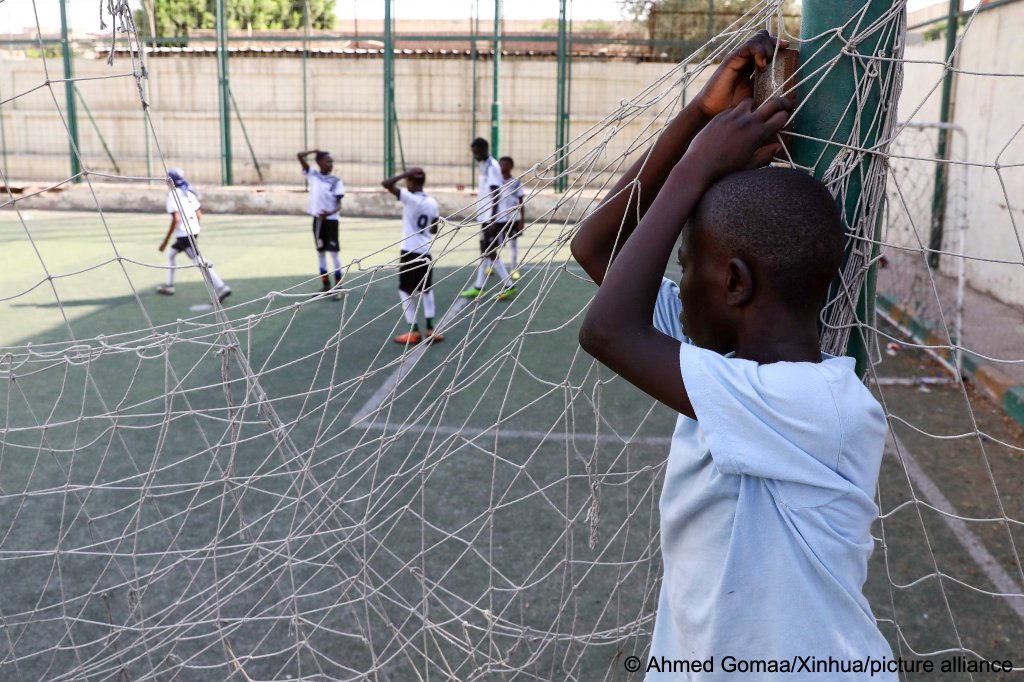
Access to education remains a major concern. According to figures cited by support organizations and reported by The Guardian, between 50 and 70 percent of Sudanese refugee children in Egypt are out of school.
Children who are not in school are more vulnerable to child labor. Aid workers cited by the Guardian said some children as young as 11 work on farms or in factories, where they may face physical abuse, sexual exploitation or unsafe conditions. Others are groomed with promises of mobile phones or money.
The lack of safe accommodation compounds these risks. Mothers told the Guardian that they feared leaving children at home alone, particularly after dark, because of gangs and violence in their neighborhoods.
Read AlsoEastern Libya expands entry restrictions to Iranian and Afghan nationals
Precarious legal status
Egypt initially received more than 250,000 Sudanese nationals during the first months of the war under a relaxed entry policy that exempted broad categories of arrivals from visa requirements, according to Human Rights Watch and the Tahrir Institute.
The Egyptian authorities later introduced prior-entry visa requirements for all Sudanese nationals and adopted more restrictive entry and residency policies. It also says a drop in UNHCR funding, combined with growing arrivals, disrupted registration procedures and increased uncertainty over refugees' legal status.
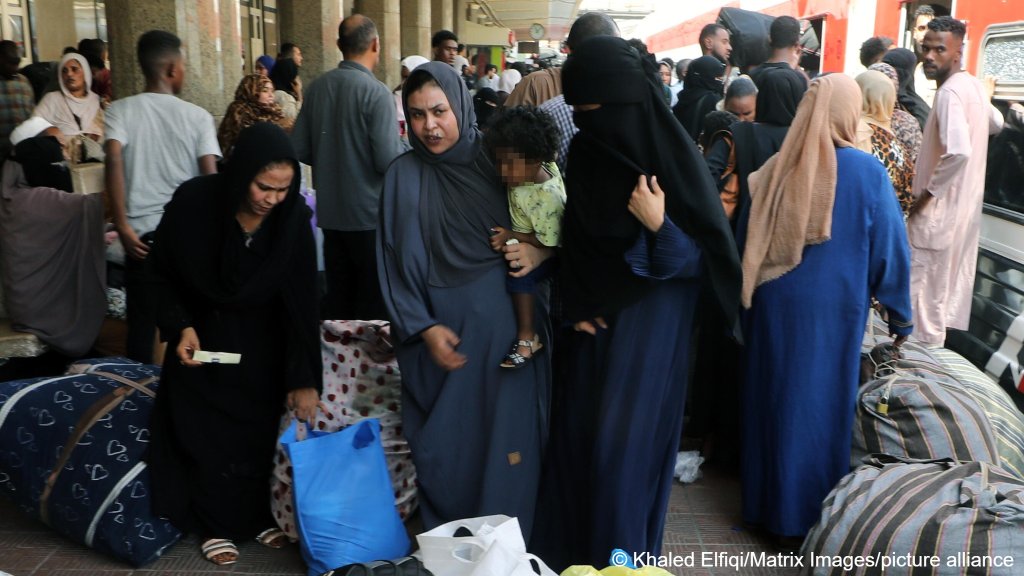
According to the institute, two of Egypt’s three refugee registration centers were closed, leaving the remaining center unable to meet demand. Some asylum seekers have had to wait months for registration appointments, during which they are left without effective legal status.
Even refugees registered with UNHCR must obtain an Egyptian residency permit. The Tahrir Institute says the process can take months, while Egyptian security authorities recognise only a valid government-issued residence card as proof of lawful status.
Read AlsoRwanda: Kigali emerges as site for Europe’s first migrant 'return hub'
New asylum law
Egypt adopted a new law regulating asylum for foreigners in December 2024. According to the Tahrir Institute, it transferred responsibility for receiving asylum applications and determining or revoking refugee status from UNHCR to an Egyptian committee.
The institute says the law’s implementing regulations were issued only in June 2026, while the committee responsible for refugee affairs has not yet been fully formed. It argues that this has created a legal and administrative vacuum, leaving refugees caught between an old system that no longer functions at full capacity and a new one that is not yet operational.
UN experts raised similar concerns. In a statement published by the Office of the UN High Commissioner for Human Rights, they said the new asylum law contained provisions that could undermine the rights and protections of migrants, refugees and asylum seekers.
Read AlsoMauritania: 'They treat us as if we are not human' say expelled migrants
Detention and deportation
The Tahrir Institute says Egypt has seen a marked increase in arrest and deportation campaigns, particularly between late 2025 and the first quarter of 2026. It says these campaigns have included arrests based on racial profiling, raids in areas where refugees live, and deportations across land borders.
The organization says the campaigns resulted in at least five deaths in detention centers between August 2025 and February 2026. It also reported the death of Mubarak Qamar al-Din, a 67-year-old Sudanese citizen who died in custody at Cairo’s Shorouk Police Station in early February while holding a valid UNHCR refugee card.
Egyptian authorities maintain that the campaigns target individuals without official papers, however, the Tahrir Institute says legal testimony and documentation challenge that account.
Seven UN mandate-holders, including the UN special rapporteur on the human rights of migrants, expressed alarm in March 2026 over an intensifying campaign of deportations, arbitrary arrests and human rights violations targeting refugees, asylum seekers and migrants in Egypt. The experts said refugee communities had been targeted in homes, workplaces and refugee-led service centers.
The UN experts said deportations were reportedly carried out without individualized assessments to determine the risk of refoulement. They said Egypt must ensure that any return or deportation order is based on an individual assessment of protection needs and human rights obligations.
Read AlsoIOM warns AI and digital disinformation are being weaponized against migrants and refugees
Returns under pressure
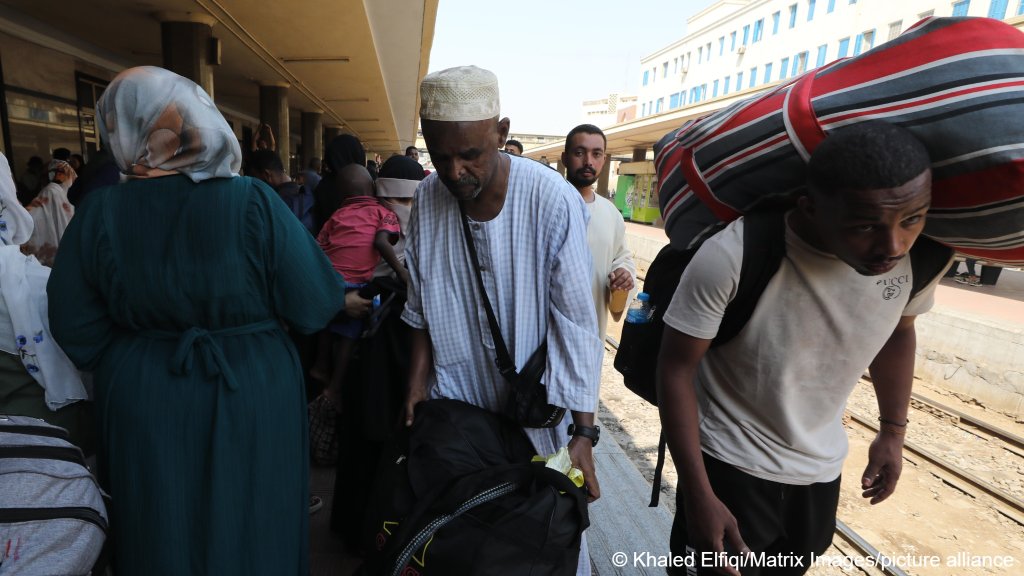
Egypt has operated "return trains" from Cairo to Aswan to transport Sudanese nationals who choose to return. Egyptian and Sudanese official narratives have presented the returns as voluntary, particularly after the Sudanese army retook Khartoum, according to the Tahrir Institute.
The institute says international organizations estimated that close to 400,000 people returned to Sudan from Egypt in the past year. It says the public focus has largely been on the logistics of the operation, with limited clarity on what returnees will find when they arrive.
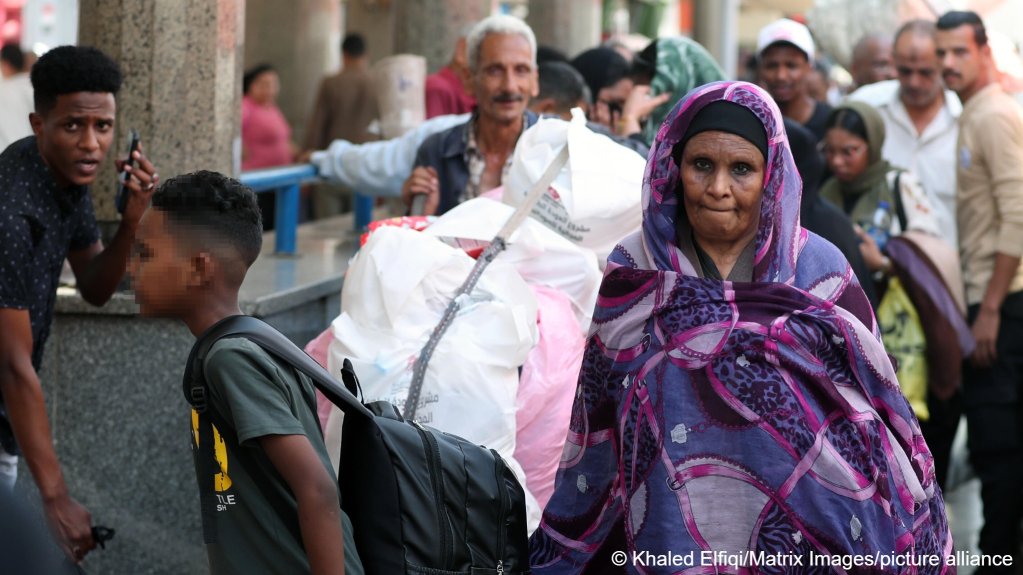
Experts argue that voluntary return requires safety, stability and dignity in the country of origin, as well as a free and informed decision by the person returning. It says an official deportation order is not necessary for a departure to be considered forced if policies or practices make continued residence impossible or fraught with serious risks.
The UN Refugee Agency (UNHCR) and the International Organization for Migration (IOM) has warned Sudan continues to experience widespread violence, serious violations of international humanitarian law, the collapse of basic services, disease, a worsening food crisis and risks of famine. Rights groups have said that these conditions raise questions about whether returns are genuinely voluntary.
Read AlsoFrontex’s new powers: more returns, less oversight?
The EU-Egypt partnership
The European Union and Egypt signed a Strategic and Comprehensive Partnership on March 17, 2024. The partnership covers political relations, economic stability, trade and investment, migration and mobility, security and other areas.
The European Commission says the package is worth 7.4 billion euros over the period 2024 to 2027, combining grants, guarantees and loans. Within it, 200 million euros is earmarked for issues of migration and mobility.
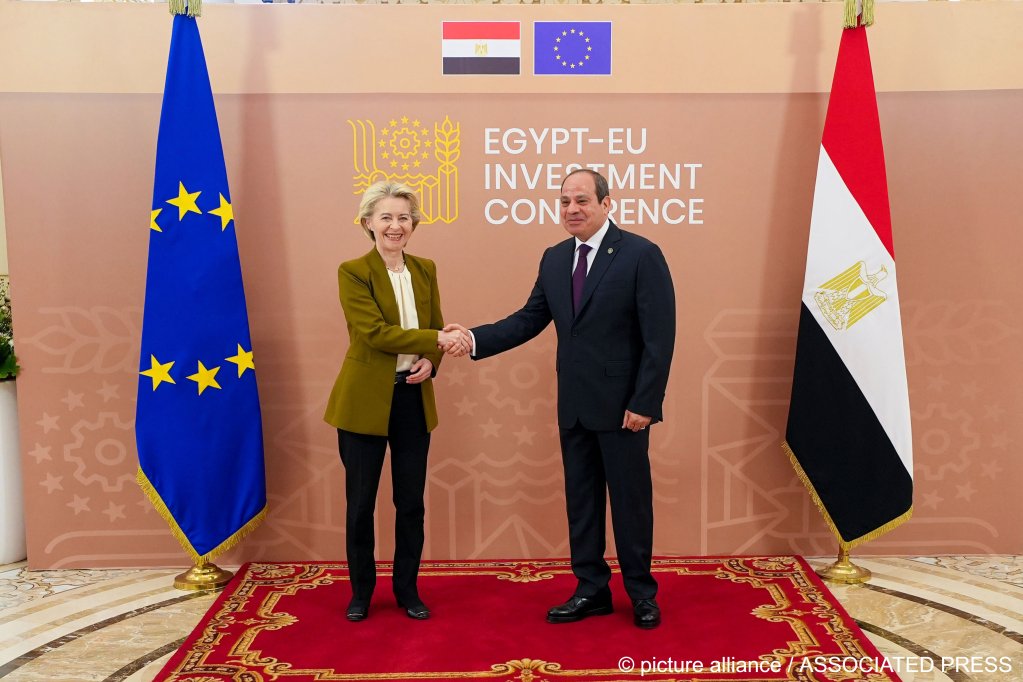
According to the Commission, the migration component covers protection, including support for Egypt’s efforts to host refugees; return, readmission and reintegration; border management, including search and rescue; action against migrant smuggling and trafficking; and legal migration and labor mobility pathways under the EU Talent Partnership.
The European Parliament has described Egypt as a major host country for migrants close to Europe’s borders. It said the partnership was intended partly to help avert another migration crisis in Europe.
Read AlsoBrussels proposes turning Frontex into the EU’s central returns agency
Wider EU approach
The EU-Egypt partnership is part of a wider EU approach to migration cooperation with North African countries. The European Parliament says the EU has concluded informal migration-focused partnerships with Tunisia, Mauritania, Egypt and Jordan, while negotiations have also been announced with Morocco and Libya.
The Tahrir Institute argues that the EU-Egypt partnership functions, in part, as a short-term security measure intended to prevent migrants from reaching Europe. It links this argument to the 200 million euros allocated within the partnership for migration management and border control.
The institute also says Egyptian officials have linked the refugee presence to demands for greater international support. It notes that the head of Egypt’s House of Representatives Budget Committee said in April 2025 that refugees cost Egypt about six billion US dollars (about 5.3 billion euro) annually, an estimate later described as inaccurate.
The Refugee Platform in Egypt has documented arrests, detentions and deportations affecting refugees and migrants. It does not however attribute those practices to EU funding.
Read AlsoEgypt: Sudanese refugees describe horrors in jails and increasing deportations
Humanitarian funding
UNHCR and the IOM warned in November that emergency shelter assistance in Sudan is running out. They said 15.4 million people across Sudan urgently need emergency shelter and essential household items, but that only about 10 percent are receiving assistance because of funding constraints.
The agencies said that, without flexible funding, more families will face the coming months without adequate protection from harsh weather, violence and exploitation.
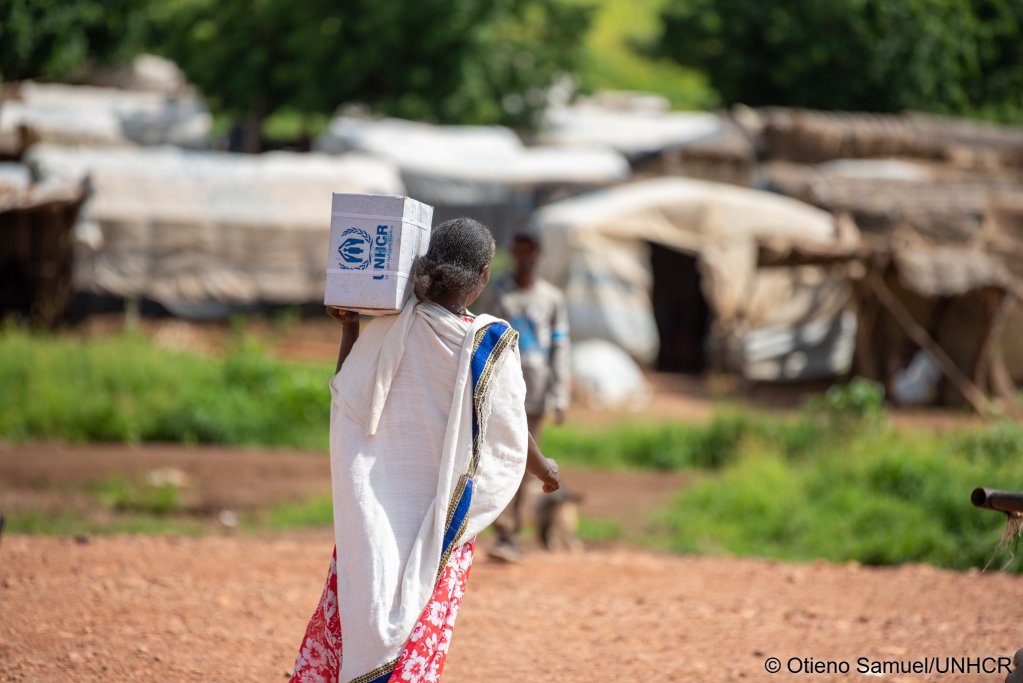
UNHCR and the International Organization for Migration have called for flexible international funding to sustain emergency shelter and household assistance in Sudan.
The UN experts said Egypt must adhere to the principle of non-refoulement, the best interests of the child, non-discrimination and the right to family life when assessing return or deportation cases.
The European Union Agency for Asylum says its cooperation with Egypt is intended to strengthen protection space for asylum seekers and refugees. The European Commission says its migration partnership includes both border management and refugee protection.
Read AlsoAs Sudan's war worsens, more displacement is likely
With epd