
A Somali TikTok influencer in Mainz has lost her refugee status after a German court upheld the revocation decision, clearing the way for her possible deportation. The case shows how public social-media posts can become key evidence in asylum-status revocation proceedings.
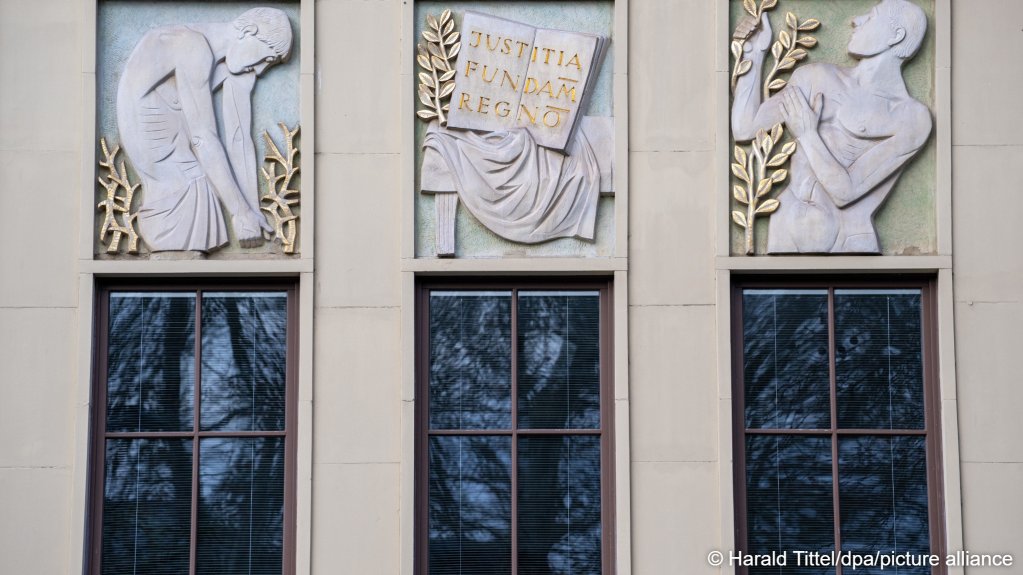
A German court has upheld the revocation of the refugee status of a Somali TikTok influencer living in Mainz, in a case that shows how social-media evidence can become central to asylum-status decisions. The Trier Administrative Court found that the woman’s publicly documented returns to Somaliland, together with changes in her personal circumstances, meant that the grounds on which she had been recognized as a refugee in 2017 no longer persisted.
The ruling updates an earlier decision by the Mainz Administrative Court in June, which temporarily prevented her removal because the authorities' departure notice contained contradictory dates. That ruling did not restore her refugee status, it only concerned the enforceability of the removal order at that stage.
The woman, a Somali national from the Galjeel clan, had been recognized as a refugee in May 2017. Her protection claim was based principally on past female genital mutilation (FGM) and a feared repetition of "re-infibulation" after childbirth, as well as fears linked to a former husband.
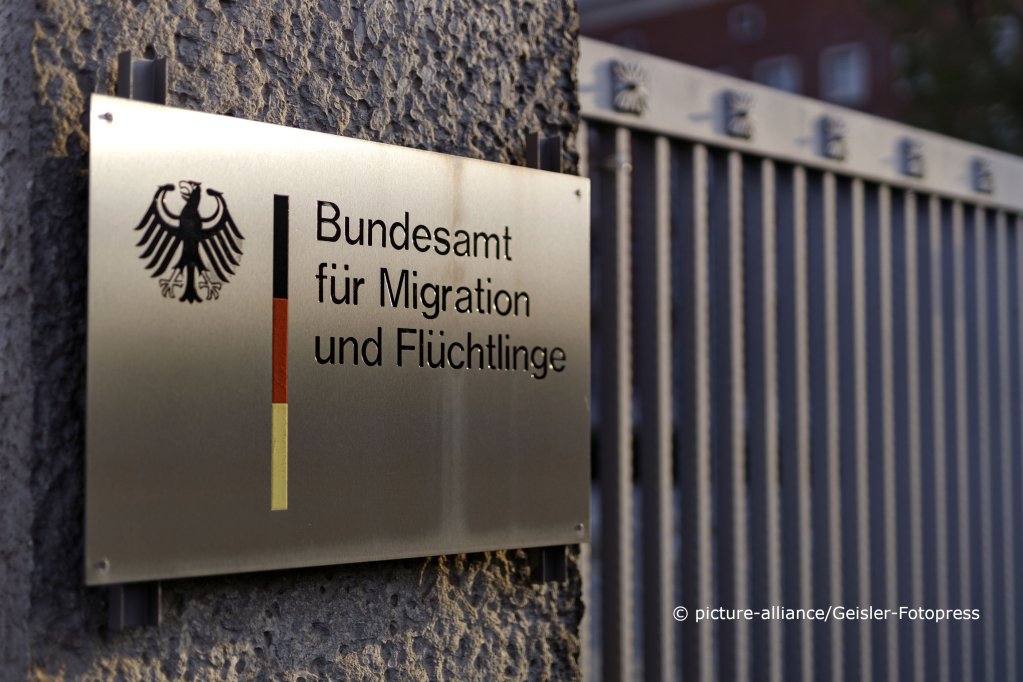
BAMF revoked that status after concluding that she had repeatedly returned to Somalia, specifically Somaliland, after being granted protection. The court agreed that the legal conditions for revocation had been met.
On October 13, 2026, the Trier Administrative Court dismissed the woman’s challenge to a BAMF decision of March 23, 2026 revoking her refugee status. It also rejected her claims to subsidiary protection and to prohibitions on removal under sections 60(5) and 60(7) of Germany’s Residence Act. The ruling removes the principle substantive legal barriers to deportation, meaning the authorities may proceed with removal unless she obtains further interim protection or successfully appeals.
Read AlsoGermany: Court rules Somali influencer cannot be deported, despite having had refugee status removed
Social media as evidence
The court did not hold that TikTok posts themselves justify the loss of refugee status. Rather, it treated five TikTok posts as evidence that the woman had been physically present in Somaliland on several occasions and had publicly documented her presence there.
The posts relied on by the court included footage from a Waddani party campaign event in November 2024, a vlog in Borama in August 2025, an appearance with Somaliland’s "foreign minister" in August 2025, an appearance with a traditional Somali leader in October 2025, and a vlog in Zeila in November 2025.

The court placed particular weight on the fact that the material was published through an account with more than 200,000 followers. It found that, rather than concealing her presence, the woman had broadcast her location and activities during a three-month period, while no asylum-relevant danger had apparently materialized.
That does not mean every refugee who posts online from their country of origin will lose protection. But it does mean that public posts can provide authorities with dated, visual and sometimes geo-locatable evidence of return, political participation and freedom of movement, facts that may be relevant when officials assess whether a person still needs international protection.
Read AlsoECJ ruling: Adoption of EU values of gender equality could be grounds for asylum
The legal basis
The court decided the case under Regulation (EU) 2024/1347, the EU’s asylum qualification regulation, which applies to decisions taken after June 12, 2026. It relied on Article 14(1)(a), read with Article 11(1)(e), which concerns cessation of refugee status.
Article 11(1)(e) provides that a person ceases to be a refugee where the circumstances that led to recognition have ceased to exist and the person can no longer refuse the protection of their country of nationality. Article 14 governs the withdrawal or ending of refugee status and requires the authority to establish cessation on the facts of the individual case.
The court held that the woman’s repeated, public returns to Somaliland were a significant indication that the circumstances underlying her original recognition had changed. It also found that her personal risk profile had changed since 2017.
Read AlsoWomen suffering from gender-based violence can qualify for refugee status, says EU court of justice
Why the FGM claim changed
The most sensitive part of the ruling concerns FGM. In 2017, BAMF granted protection because the woman had already undergone FGM and faced a risk of re-infibulation after childbirth.
By the time of the 2026 proceedings, the court considered that her circumstances had materially changed -- she was approaching a later stage of life, had six children and had been divorced twice. The court reasoned that the social pressure to remarry, and therefore the pressure associated with re-infibulation, had diminished.
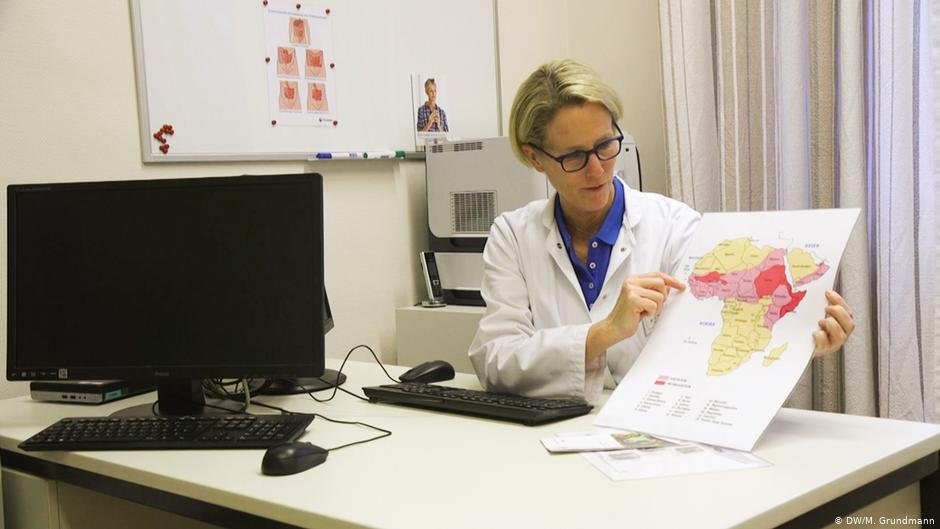
The court relied on country-of-origin information stating that FGM remains widespread in Somalia, but that re-infibulation is particularly associated with childbirth, premarital sex, rape or divorce, and that adult women are generally able to decide whether to undergo it.
However, the court did not identify direct, individualized evidence that the woman would be safe from re-infibulation, such as medical evidence, evidence of family or clan protection, or proof that she could safely refuse the procedure. Its conclusion was based on an inference from her age, family circumstances and country information.
Read AlsoGermany: How do you apply for asylum based on female genital mutilation (FGM)?
Somaliland and Somalia
The woman argued that Somaliland was separate from Somalia and that travel there could not be treated as return to her country of origin. The court rejected that argument, holding that Somaliland is part of the Federal Republic of Somalia under the applicable international-law position.
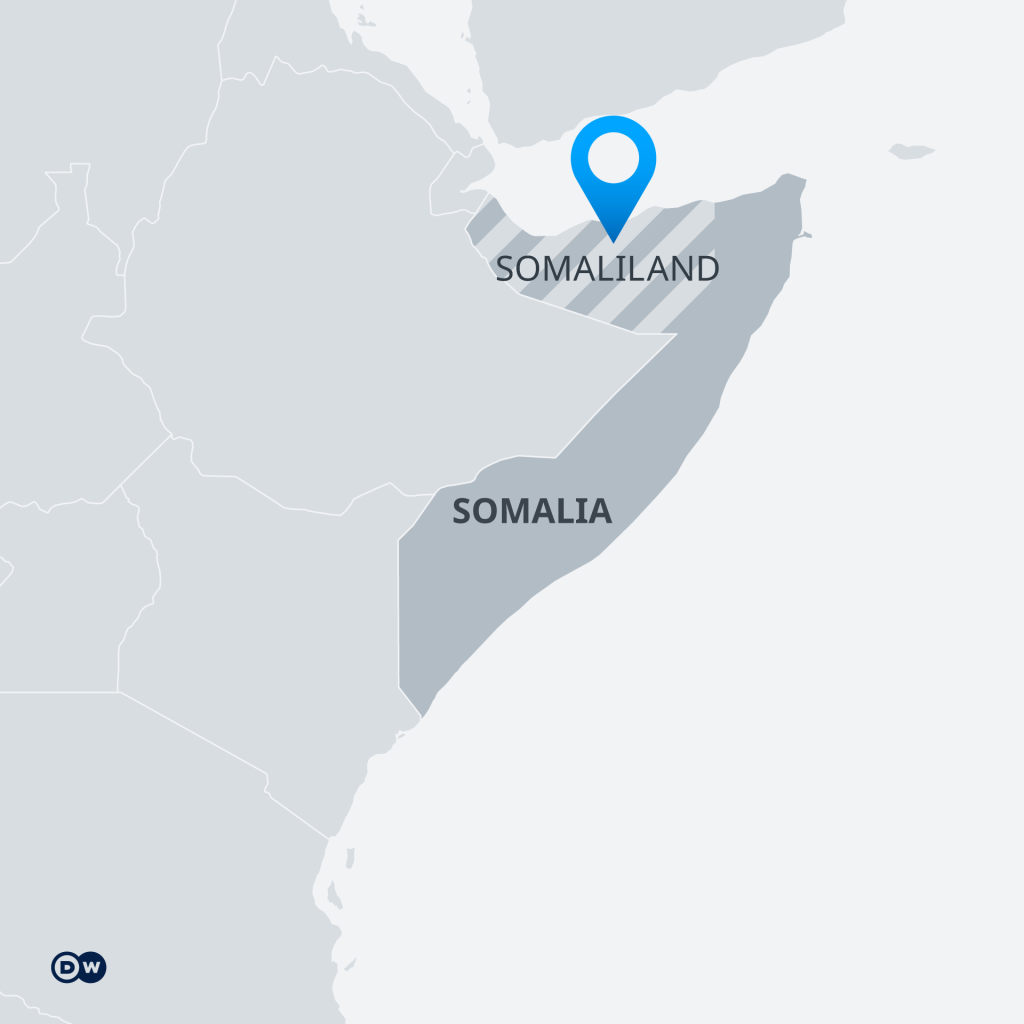
The court also found that her presence in Somaliland did not create a real risk of persecution by the Somali federal authorities. It noted that there was no evidence of exiled Somali nationals being subjected to repression after returning because of oppositional activity, and that the woman had not shown how she had publicly positioned herself against Somalia.
Read AlsoSomalia: Flooding and climate-related pressures threaten to displace hundreds of thousands
How this aligns with international law
The approach broadly tracks the 1951 Refugee Convention’s cessation rules, which govern whether someone needs continued protection. Article 1C(5) provides that refugee status may cease where the circumstances that led to recognition have ceased to exist and the person can no longer refuse the protection of their country of nationality.
UNHCR guidance stresses that cessation is not automatic. A temporary visit to the country of origin does not necessarily trigger the loss of protected status -- the return must be voluntary and the person must have actually re-established themselves or re-obtained effective national protection.
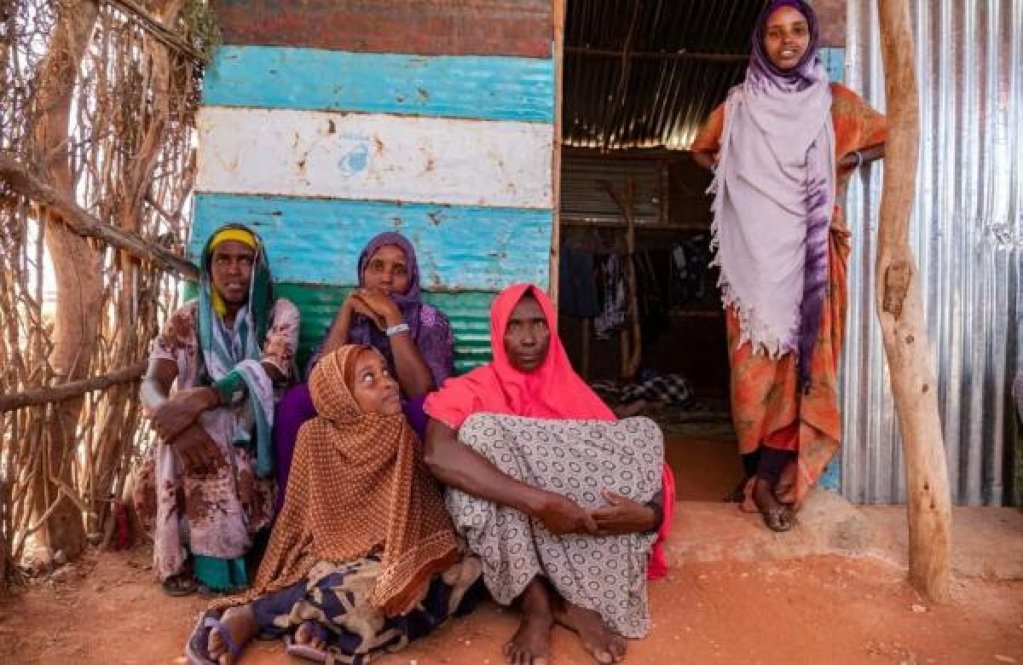
UNHCR also says that states assessing "ceased circumstances" must carefully examine whether the changes in the country are fundamental, stable and lasting, and whether the individual still has a well-founded fear of persecution. It further recommends that states consider hardship and past-persecution exceptions.
The Trier court’s approach is therefore broadly consistent with the international framework in that it assessed the individual’s conduct, changed circumstances and availability of protection. But the case may still be scrutinized for whether the court gave sufficient weight to the fact that the woman’s original claim was based on past FGM and continuing personal vulnerability, rather than solely on general country conditions.
Read AlsoUNHCR denounces lack of funding for Somali refugees in Ethiopia
What it means for future cases
The judgment is likely to make social-media material more prominent in German revocation and cessation cases. Authorities may increasingly examine public posts, video backgrounds, geotags, event footage and posting patterns to establish whether a recognized refugee has returned to their country of origin.
But the ruling does not create a blanket "TikTok exception" to refugee protection. The decisive legal question remains whether the person voluntarily re-availed themselves of national protection, whether the original grounds for protection have genuinely and durably changed, and whether they would still face a real risk of persecution or serious harm on return.
Future cases are therefore likely to turn on evidence of:
- Whether travel to the country of origin was voluntary, rather than coerced, transit-related or otherwise unavoidable.
- The length, frequency and purpose of any return.
- Whether the person publicly documented their presence and activities.
- Whether the original protection claim, such as political persecution, clan-based violence, gender-based persecution or conflict risk, has materially changed.
- Whether the authority can reliably establish the authenticity, date, location and context of social-media material.
Read AlsoIOM warns AI and digital disinformation are being weaponized against migrants and refugees
The limits of the ruling
The judgment does not say that refugees cannot visit family, attend funerals, obtain medical treatment or travel through their country of origin. BAMF’s own guidance recognizes that beneficiaries of protection may travel to their country of origin for various reasons, and that the legal assessment must focus on voluntariness, intention and whether effective protection was actually obtained.
Nor does the ruling decide that hate-speech allegations determine asylum status. In this case, the court’s reasoning rested on the documented returns, the changed FGM-related risk and the absence of a current persecution risk, not on the separate allegations or criminal proceedings reported in the press, which relate to her inciting hate through some of her posts.
The judgment is subject to a possible application for leave to appeal to the Higher Administrative Court of Rhineland-Palatinate. Either party may apply within one month of service, but leave is available only on limited grounds: a question of fundamental importance, conflicting precedent, or a procedural defect.
For refugee advocates, the case may raise concerns about how authorities distinguish voluntary return from temporary family visits, and how they assess social-media evidence that may be incomplete, decontextualized or open to misinterpretation. For authorities, it may be seen as confirmation that public online activity can provide powerful evidence in cessation cases.
The broader significance is that refugee protection is increasingly being assessed not only through interviews and country reports, but through a person’s digital footprint. The legal test remains protection-based, but the evidence base is changing.
Read AlsoNetherlands: Court overturns asylum rejection in case linked to Turkey's Gulen movement
With AFP