
At least 21 people have died in separate migrant-boat emergencies off Crete, as Greek and EU crews rescued dozens more amid strong winds. The island has become a major route into the EU for people departing from Libya.
At least 21 people have died in separate migrant-boat emergencies off Greece’s southern island of Crete, as Greek coast guard and EU border agency crews rescued more than 100 others amid strong winds and difficult sea conditions. The deaths underscore the dangers of the increasingly busy route from Libya to Crete, which has become one of the main entry points into the European Union.
Greek authorities said a Morocco-flagged container ship spotted a migrant boat about 15 nautical miles, roughly 28 kilometers, south of the port of Kaloi Limenes early on Monday (November 9). A coast guard vessel later rescued 18 people from the boat and recovered the bodies of 12 others.
The coast guard initially reported 12 dead, but later said that one of four survivors taken to hospital had died, bringing the toll from that vessel to 13. Sky News reported 14 deaths, however InfoMigrants was unable to verify this figure. The identities of the dead and the exact circumstances of their deaths were not immediately known. Greek authorities said autopsies would be carried out.
Survivors were described as suffering from exposure after what officials believed had been several days at sea. "We found them (the survivors) shivering from the cold," a local coast guard official told Reuters.
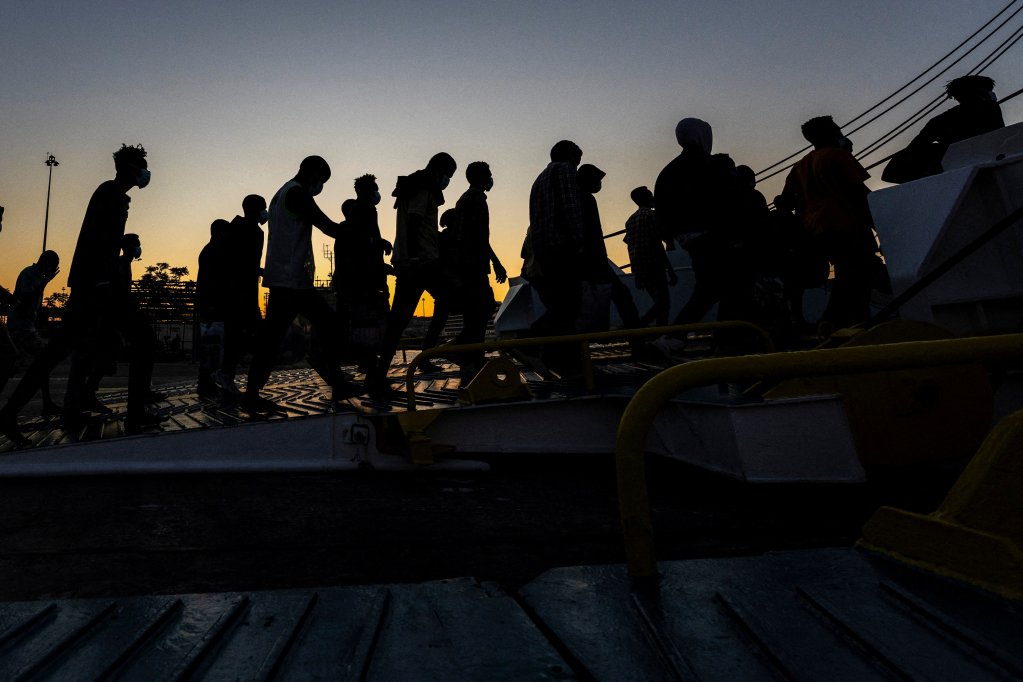
The four people taken to hospital included a toddler, according to a second coast guard official. The remaining survivors were expected to be transferred to a migrant reception facility on Crete.
Read AlsoOver 30 migrants saved at sea near Gavdos
Eight dead in earlier rescue
Another eight bodies were retrieved in a separate emergency operation that began late Saturday (November 7), after a boat issued an alarm signal south of Crete. Strong winds made the rescue operation particularly difficult, according to the Greek coast guard.
A nearby vessel picked up 28 Sudanese nationals and one body, before transferring them to a police vessel and taking them to Crete, authorities said on Sunday (November 8). The coast guard later located the boat, about 10 nautical miles south of the island, where they found seven more bodies aboard. Two people remain missing.
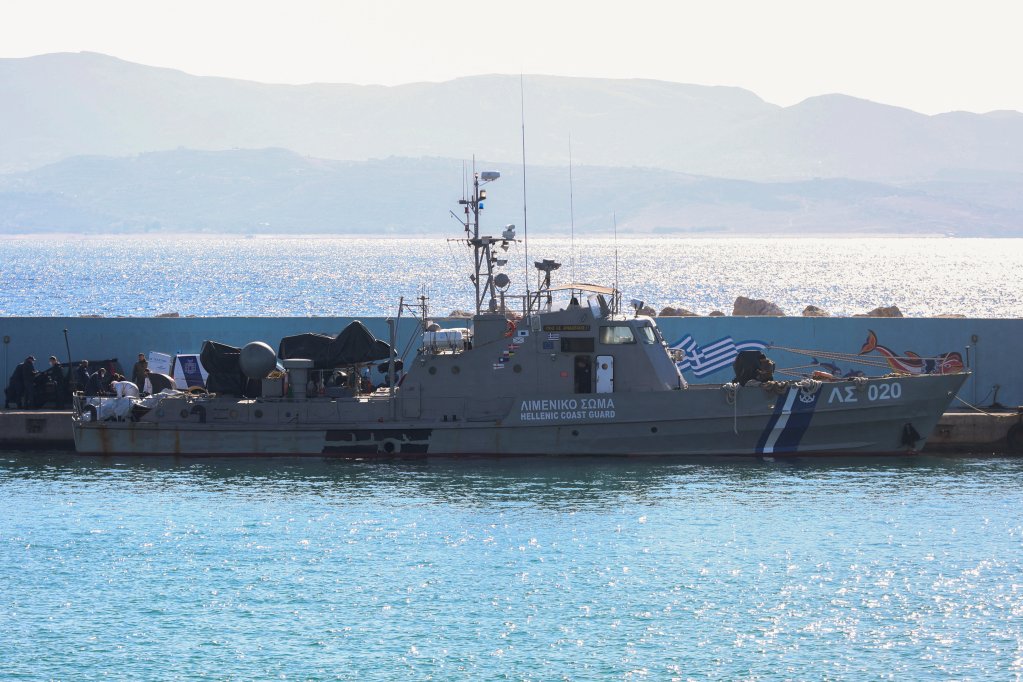
The coast guard said towing the vessel had been "absolutely impossible and extremely dangerous" because of violent winds.
Two Sudanese nationals, one aged 16, were arrested after survivors identified them as suspected people smugglers. Greek authorities said they face charges including illegal entry, facilitating illegal entry, forming a criminal organization and fatal exposure.
Read AlsoGreece: Two more youths arrested on people smuggling charges
More boats intercepted
In separate operations on Monday (November 9), the Greek coast guard and Frontex responded to further boats located south of Crete. A Frontex aircraft spotted one boat carrying about 47 people, while a Frontex drone located another with about 40 aboard. Those on both vessels were rescued by Frontex and were being taken to a port on Crete’s southern coast, according to the Greek coast guard.
A third boat, carrying around 100 people, was spotted by a Frontex drone roughly 47 nautical miles south of Crete later on Monday morning. All those aboard the three vessels were to be brought to Crete, according to the coast guard.
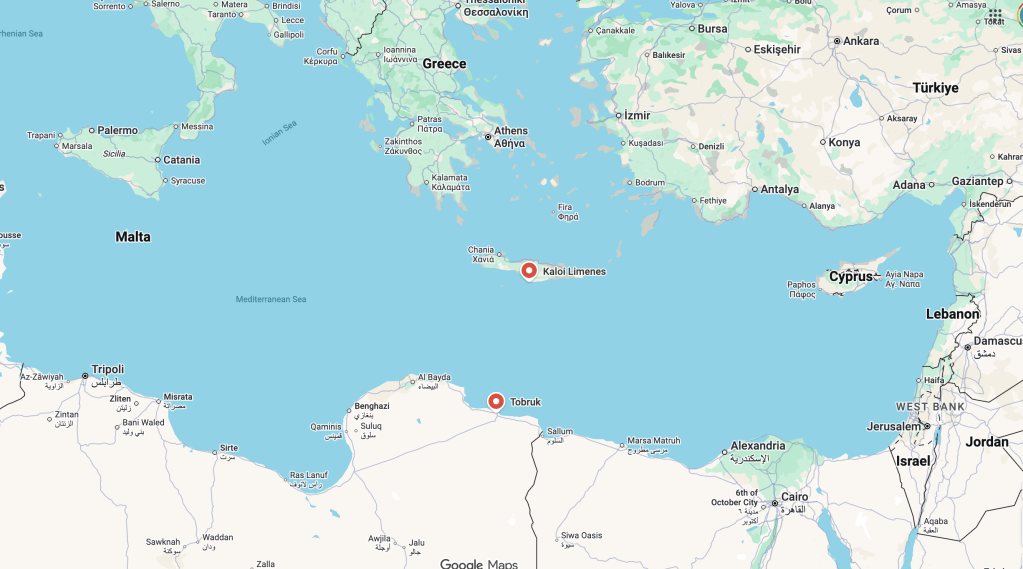
For survivors of the latest incident, the journey had begun days earlier. According to accounts cited by Greek authorities, the people aboard the boat found on Monday had left Libya on November 3 or 4.
The latest deaths follow another deadly incident last month, when 12 people, including an infant, died after two boats capsized while traveling from Turkey to the Greek islands of Lesbos and Samos.
Read AlsoGreece searches for 60 missing after migrant boat reportedly sinks off Crete
Increasingly deadly route
Crete has become a major destination for migrants departing Libya and attempting to reach the EU. The route has grown increasingly active in recent months, with thousands making the dangerous crossing from North Africa, often aboard unsafe and overcrowded vessels.
Greece remains one of the EU’s principal entry points for people fleeing conflict and poverty in the Middle East, Africa and Asia. Arrivals from Libya, many involving people from Sudan and Bangladesh, have risen in recent years, even as overall irregular crossings into the EU have declined.
Frontex said in October that the eastern Mediterranean was the busiest route for people attempting to enter the EU. It recorded around 31,800 attempted crossings in the first three quarters of 2026, a 15 percent fall from the same period a year earlier, with the Libya-to-Crete corridor the busiest section of that route.
Read AlsoGreek authorities arrest ten accused of smuggling hundreds of people
Growing pressure on Crete
According to the UN refugee agency, more than 37,000 migrants had arrived in Greece in 2026 as of Monday, with more than 22,000 landing on Crete. The Greek government has announced plans to open a temporary housing complex near Heraklion, the island’s largest city, in response to the rising numbers.
The latest deaths follow another deadly incident earlier this month, when a survivor reported that a boat carrying around 60 people had sunk south of Crete. The man, found near the island of Chrysi, told coast guard officers that he was the sole survivor. Searches involving patrol boats, nearby vessels and a Frontex aircraft found no trace of the boat or the other passengers.
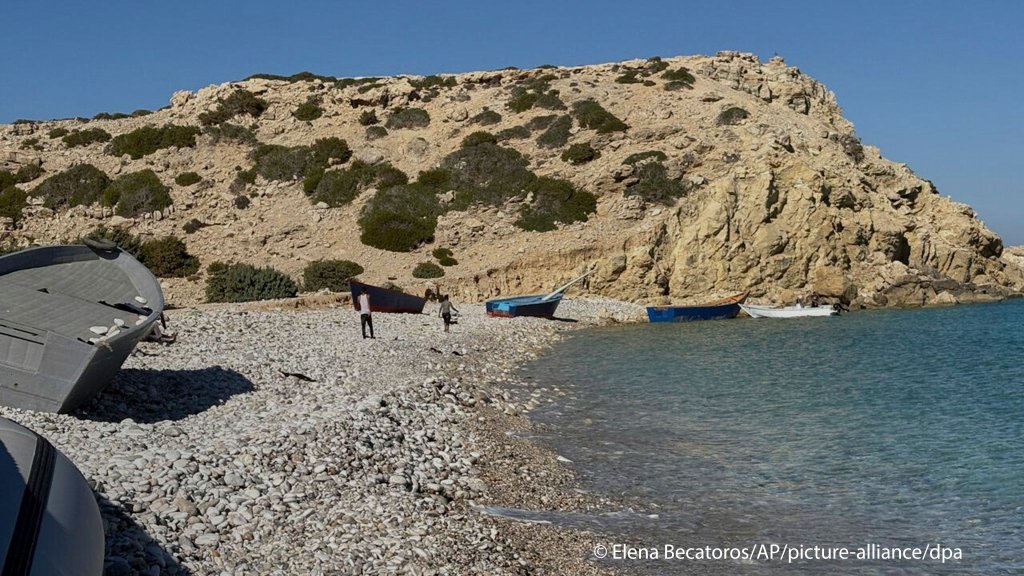
The pressure on Crete has been building over the past few months. This month, 1,326 people arrived on Crete and the nearby island of Gavdos between November 1 and 3, according to coast guard sources cited by Greek media. More than 850 migrants reached Greek shores on November 2 alone, most after crossing the Mediterranean from North Africa to Crete.
Read AlsoGreece: Crete migrant arrival numbers in 2026 outstrip whole of 2025 by November
Reception capacity strained
More than 650 people were being housed at a site used for parking garbage trucks, 835 people were crowded at Heraklion port, and about 500 were in Chania, according to local reporting.
Arrivals on Crete and neighboring Gavdos had already surpassed the previous year’s total by late October. UNHCR figures reported by the German press agency dpa showed almost 21,000 arrivals by October 25, compared with 20,187 documented by Refugee Support Aegean during all of 2025.
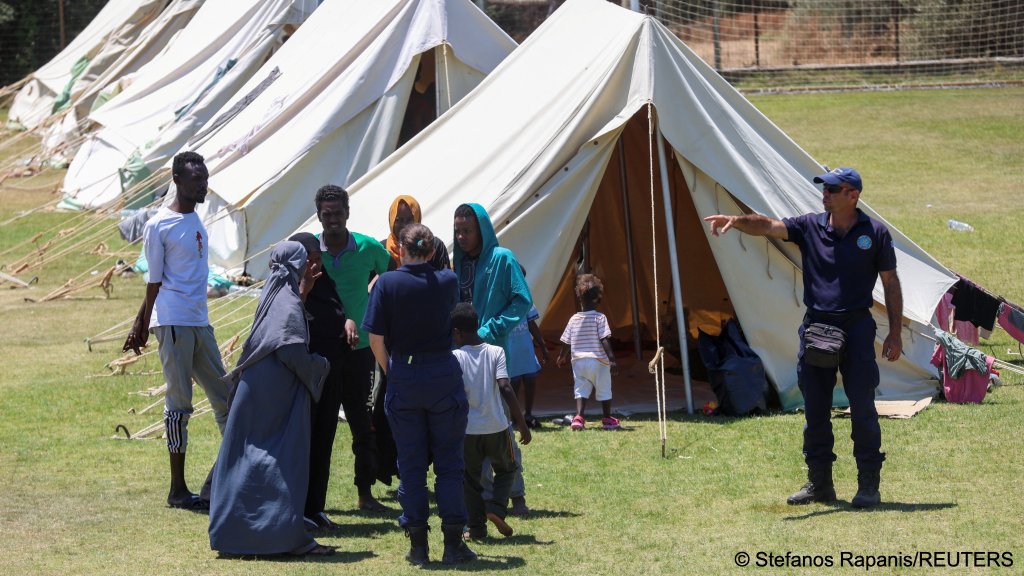
Greek Migration Minister Thanos Plevris said on November 4 that only two migrant facilities would operate on Crete, ruling out a third center in Ierapetra. He said the facility in Hania was already operating, while the one in Heraklion was expected to open in the coming days.
Read AlsoGreece: New migrant arrivals in Gavdos take 2026 arrival tally to over 35,000
With AFP and Reuters