
The single point of contact for asylum applications (GUDA) has been closed in Mayotte since July 2026. Migrants are therefore unable to register their asylum applications. They find themselves stuck in their administrative processes with no visibility whatsoever. This suspension of asylum "is happening outside of any legal framework," notes Alison Morano, an anthropologist conducting research on refugees in Mayotte.
"I'm waiting for the prefecture to call us," says Alice, a 30-year-old Congolese woman wearing a bright blue boubou (a Wolof word referring to a traditional wide-sleeved robe worn across West Africa and the Sahel, as well as the African diaspora). Since arriving in Mayotte with her eight-year-old son on December 14, 2025, the young woman, who came from Goma (in the Democratic Republic of Congo), has been waiting in the informal camp of Tsoundzou 2, south of Mamoudzou. "We haven't had the chance to be called to submit our asylum application at the prefecture," she says, sitting on the mattress in her makeshift hut, covered by blue tarpaulins that trap the heat.
1,800 migrants living in the camp are waiting like her. They are mostly from the Democratic Republic of Congo (DRC) and Somalia, fleeing conflict in their countries and seeking asylum in France. Upon arriving in Mayotte, they register with Coallia, the initial reception center for asylum seekers in Mayotte (formerly Solidarité Mayotte). The state-mandated association then issues them a summons to the single asylum seeker registration office (GUDA), managed by the prefecture — the only body authorized to register asylum applications.
In France, the legal deadline for registering an application is a maximum of 10 days. But in Mayotte, "there are so many asylum applications that a pre-GUDA has been created [via Coallia], which is unique to this region," observes Alison Morano, an anthropologist who has been conducting research on refugees and asylum seekers in Mayotte since 2023. The migration route to Mayotte has expanded in recent years for migrants transiting from mainland Africa, resulting in a significant influx of asylum seekers.
Read AlsoFrance: Migrants detained longer but fewer deported
2,700 people awaiting registration
2,700 people are waiting in Mayotte to apply for asylum. The waiting time was already lengthy, but it has been further extended by the closure of the GUDA (Single Asylum Application Center) since July. Since this summer, asylum applications are no longer being processed by the prefecture. "Asylum is suspended in the territory," summarizes Alison Morano. "Before the office closed, there was an eight-month wait." For example, some people who arrived in September 2025 have not yet been able to go through the GUDA. Now, with the closure of the service, the delays are even longer.
The closure of the GUDA has never been officially announced by the Mayotte prefecture. When contacted by InfoMigrants, the state services did not respond to our requests.
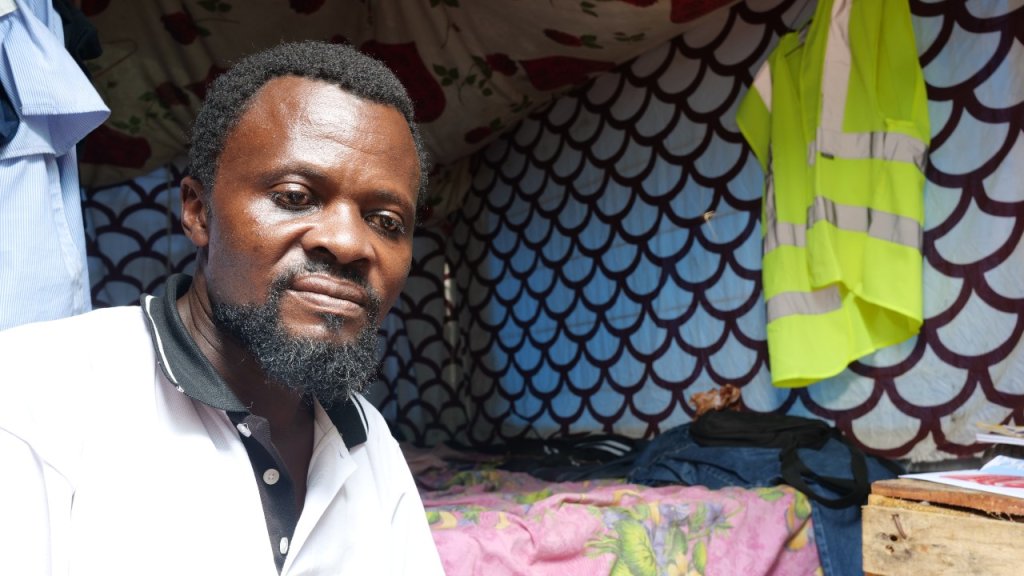
For William, a Congolese man from North Kivu who arrived in France in May 2026, the closure of the service is a difficult blow. "I fled the war in the DRC, I traveled all the way to Mayotte, I endured a lot of hardship, I lost a lot of weight. And when I arrived here, the office was closed. It's eating me up inside because I'm not stable," he confesses. Lacking the document that proves he is applying for international protection, the 44-year-old fears being deported to the DRC.
Read AlsoEU migration pact: How France plans to implement the new rules
Deprived of the right to housing and food vouchers
For migrants, the closure of the GUDA has very real consequences. "They don’t have the right to housing, they don’t have the right to food vouchers, which also prevents them from working," explains Alison Morano, who conducts interviews with the migrants. The asylum seekers, or rather "those claiming asylum," as the anthropologist calls them, since they haven’t been able to officially apply, are therefore surviving in precarious conditions in the Tsoundzou 2 camp, built in the mangroves.
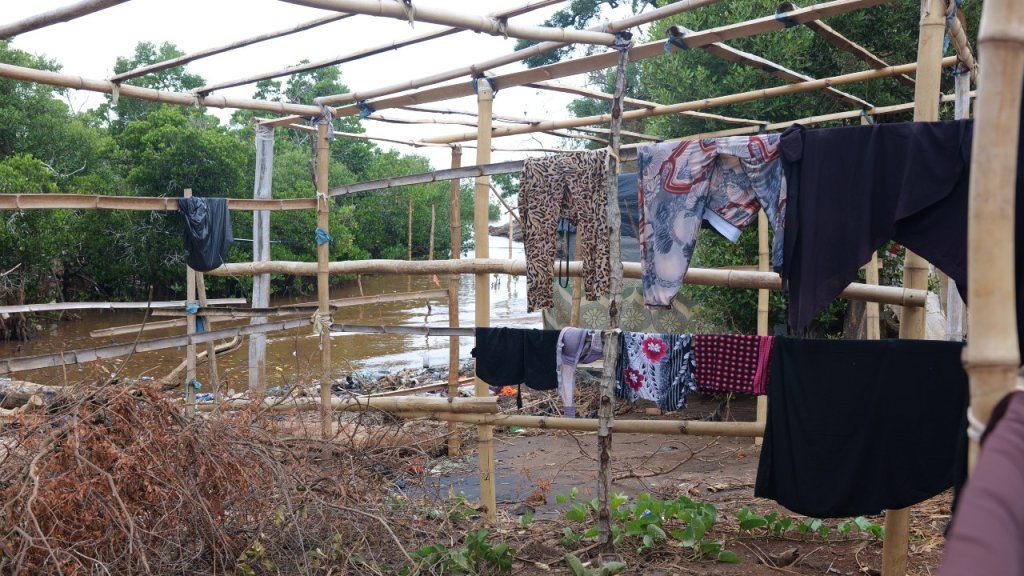
"We’re still here, struggling," testifies Arthur, a Congolese man who arrived in the archipelago in December 2025. "There are no jobs here," he laments, sitting on his cot in his tent. "In Africa, even without papers, you can still work, be a vendor." Instead, he feels "trapped in the Tsoundzou camp." He no longer dares to leave because he has been arrested twice by the police and taken to the administrative detention center (CRA).
The first time, he spent four hours there and was released with an order to leave French territory (OQTF) within 45 days. After police caught him a second time, he received a second OQTF. This document is issued because they cannot prove legal entry or a document allowing them to reside legally in France. Unable to move around, the majority of the residents remain in the camp. Established at the end of October 2025, it has become a veritable small community, with its alleyways, shops, grocery stores, vendors, Protestant church, and mosque.
Read AlsoSudan war drives growing numbers towards Europe as crisis spreads
'The suspension of asylum is taking place outside of any legal framework'
While there are numerous legal exceptions to French law in Mayotte, such as the stricter application of birthright citizenship enshrined in law, "this time, the suspension of asylum is taking place outside of any legal framework," laments Alison Morano. "There is nothing that authorizes — no order, no decree, no law — the prefecture to suspend the registration of asylum applications," she declares. As a signatory to the Geneva Convention, France nevertheless has a duty to guarantee international protection.
This violation of the law is occurring in a territory marked by high levels of immigration, where new migratory arrivals from the African continent are exacerbating tensions. The prefecture's immigration service is regularly blockaded by citizen groups opposed to immigration.
According to the Rights Ombudswoman (Défenseuse des droits), between 2023 and 2026, the prefecture's immigration service was closed "intermittently, for more than a year at a time." The most recent blockade dates back to June 2026. While it was lifted in July, "the single point of contact for asylum seekers has never reopened," Alison Morano points out. According to someone who assists asylum seekers, "this group is putting pressure on the prefecture to keep the office closed."
Read AlsoMigrants drown after being dropped by smugglers off Comoros