
A court in the Netherlands has overturned the asylum rejections of a Turkish father and son, citing the continued criminal investigation and prosecution of people linked to the faith-based Gulen movement in Turkey.
On November 2, the District Court of The Hague ruled that the rejection of asylum applications of a Turkish father and his son should be overturned, stressing that the family feared persecution because of their involvement with the Gulen movement, also known as the Hizmet movement.
The Turkish authorities hold the religious movement responsible for a failed coup attempt in July 2016, which left 251 people dead. Turkey has designated the movement a terrorist organisation, referring to it as FETO, and classifies its followers as terrorists.
The Netherlands previously had a more favorable asylum policy towards Gulen movement followers, generally granting protection without requiring them to demonstrate individual indications of persecution. However, the policy was tightened in December 2023, requiring applicants to demonstrate an individual risk of persecution. In March 2026, the Dutch Council of State upheld the policy change.
Read AlsoMore and more Turkish citizens seeking asylum in Germany
This reversal directly resulted in the father and his son having their protection in The Netherlands cancelled in December 2025 after having spent several years as recognized refugees in the country.
Turkey may target individuals for allegedly reviving outlawed movement
In its final decision, the district court in The Hague argued that there was no evidence showing that conditions had improved for Gulenists in Turkey.
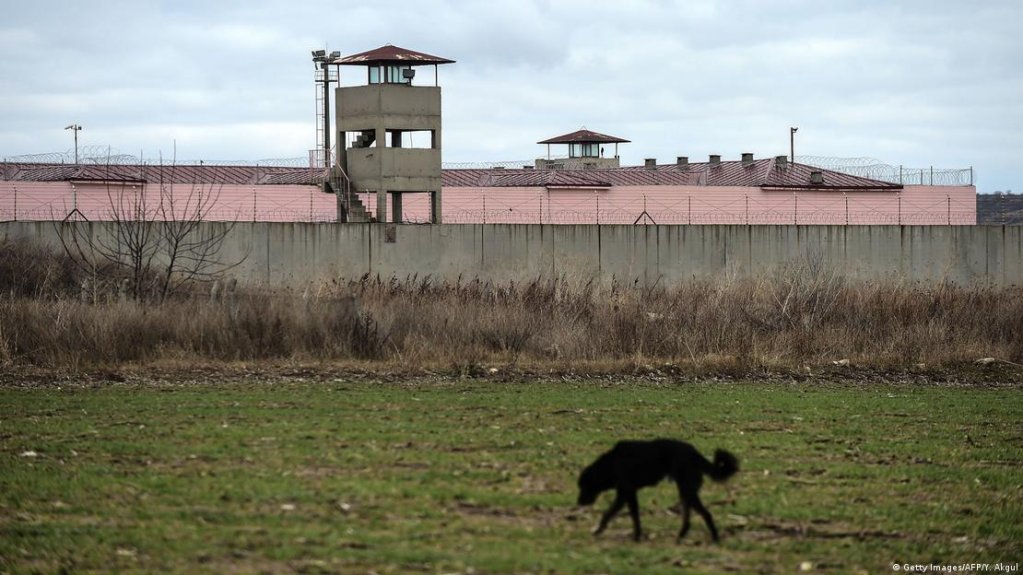
Among other things, the two defendants' legal representation stressed that the father had already served over two years in prison in Turkey, which could make him more susceptible to tight scrutiny in his home country.
The plaintiff's lawyers also argued that after his release from prison, the father was dismissed from working in his previous job in the public service, once again over his alleged ties to the Gulen movement, which affected his ability to earn a livelihood while also stigmatizing him socially.
The fact that he had helped others who had also been accused of associating with Gulen, including facilitating visits between these refugees and their family members left behind in Turkey, served as further evidence in the processings, suggesting potential persecution back home.
Furthermore, the Dutch government itself had issued reports highlighting that people previously convicted over their supposed links to the Gulen movement could likely face renewed criminal charges in Turkey, stressing that authorities there regarded the provision of such assistance to family members as an alleged effort to rebuild the outlawed movement.
Read AlsoGreece accused of pushing back Turkish activists seeking asylum
Dutch court says authorities failed to adequately assess persecution risks
The court found that Dutch immigration authorities had failed to adequately assess the evidence presented by the father and his son, resulting in the reversal of the December 2025 decisions to reject their asylum claims.
The court also found that asylum seekers in the Netherlands should not be returned to their home countries on the grounds that they could be reintegrated into society if they hid their religious beliefs or limited related activities to avoid persecution.
As a result, the district court overturned the rejected asylum decisions and ordered Dutch immigration authorities to issue new decisions within eight weeks.
However, the court did not grant either applicant refugee status or determine what level of protection they should receive. Immigration authorities will now have to reassess their applications and decide what kind of protection, if any, should be granted to the father and his son.
The latest ruling also differs from a March decision by the Dutch Council of State, the country's highest administrative court, which upheld the government's stricter asylum policy for members of the Gulen movement.
While the Council of State found that the policy change was sufficiently justified, the district court found that the government had failed to adequately justify its application in the case of the father and his son.
Read AlsoRefugees in an 'enemy country': Exiled Turks in Thessaloniki
The Gulen movement: A longstanding thorn in Erdogan's side
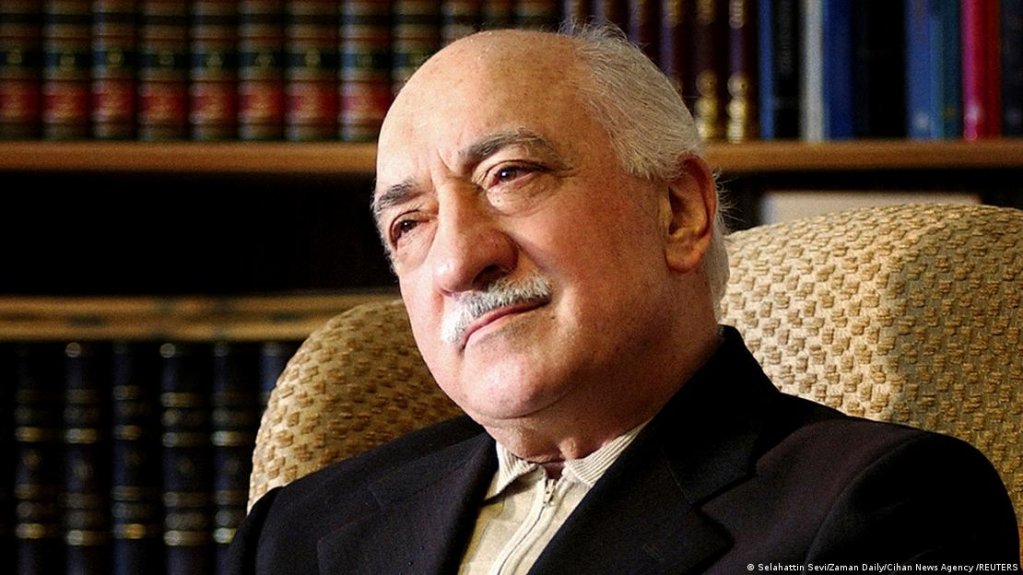
Turkish authorities allege that the movement's late leader, Fethullah Gulen, encouraged thousands of civil servants, including members of the military, to take part in a coup attempt against the government in July 2016.
A total of 251 people are believed to have been killed during the uprising, with several thousand others injured.
Since then, Turkey has designated the Gulen movement a terrorist organization, referring to it domestically as FETO. The designation has led to thousands of people being imprisoned over their alleged ties to the movement.
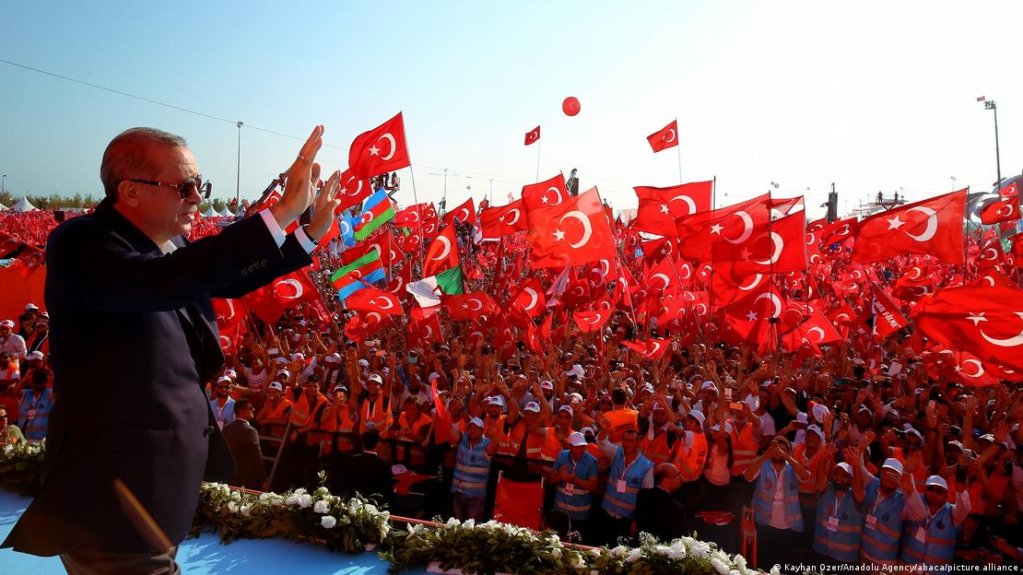
The group maintains its innocence and denies any involvement in the failed coup or other terrorist activities. It argues that the crackdown in Turkey is part of an alleged attempt by President Recep Tayyip Erdogan to silence dissenting voices.

Gulen movement followers in Europe
Meanwhile, an unknown number of people accused of having ties to the Gulen movement have fled Turkey and sought asylum in European countries, including Greece, Germany and the Netherlands.
Germany is believed to have the largest Gulen movement community outside Turkey, with estimates putting its support base in tens of thousands of people. However, there are no official membership figures.
The Council of Europe's Parliamentary Assembly raised concerns in a 2017 report about the scale of the post-coup crackdown, including mass dismissals, arrests and restrictions on access to judicial remedies. It warned against collective measures based on alleged links to the movement without sufficient evidence and called on Turkey to ensure fair trials and respect for due process.
International human rights organizations have also repeatedly questioned the evidence used to prosecute people over alleged links to the movement. The European Court of Human Rights, in its 2023 ruling in the case of Yuksel Yalcinkaya v. Turkey, found violations of the right to a fair trial, the principle of legality and freedom of association in the conviction of a former teacher accused of membership in the movement.