
A report updated this year, by the humanitarian rescue organization Sea-Watch has documented 107 incidents of violence by Libyan militias against migrants, refugees and European nationals at sea since 2016. Around 80 of these incidents, more than 70 percent, involved the EU-supported Libyan coastguard. 26 of the documented incidents occurred in 2026, making this the most violent year since records began, claims Sea-Watch
Violence against migrants and civilian rescue crews in the central Mediterranean has reached its highest documented level in a decade, according to a new report by sea rescue organization Sea-Watch. The humanitarian organization recorded 26 incidents in 2026, bringing the total since 2016 to 107.
Over 70 percent of the incidents (at least 80) were attributed to the Libyan coastguard. The documented cases include shootings at people and rescue vessels, physical assaults, threats and dangerous manoeuvres around boats in distress. In five recorded incidents this year, migrants attempting to reach Europe were forced overboard. Rescue ships were also repeatedly followed, harassed and ordered to leave rescue scenes, according to Sea-Watch. The group recorded 22 violent incidents in 2025, 14 in 2024 and 12 in 2023.
The report, "Acts of violence by the so-called Libyan Coast Guard and other Libyan militias at sea," was first published in 2025, but Sea-Watch published an updated version with "extreme acts of violence" recorded in 2026, the organization announced on Wednesday (November 4).
Read AlsoEastern Libya signs contentious deal with Turkey, using migrants as bargaining chip
Interceptions and forced returns to Libya threaten human rights
In its report, Sea-Watch noted that the incidents highlighted encompass only events that could be documented, with many cases likely to have gone unreported. It has been well documented by journalists and humanitarian organizations that migrants intercepted and returned to Libya often end up in detention facilities, often without access to communication or independent reporting channels.
Migrant interceptions in the Mediterranean are part of a wider system of forced returns. The International Organization for Migration (IOM) reported more than 27,000 people intercepted at sea and brought back to Libya in 2025. More than 169,000 people have been returned in this manner since 2016, according to data cited by Sea-Watch.
Since the overthrow of former leader Muammar Gaddafi in 2011, Libya has remained politically splintered, with rival administrations in the east (Benghazi) and west (the EU-recognized administration in Tripoli) competing for power and legitimacy, while numerous armed groups and smuggling gangs hold influence over territory and state institutions. Human rights organizations have repeatedly documented torture, arbitrary detention and other abuses against migrants and refugees, often in facilities controlled by militias, gangs or security forces.
Read Also'The guards torture you every day': a migrant's account of Libya's al-Maya detention center
Sea-Watch calls for rethink of Libyan migration management collaboration
Sea-Watch’s report comes as the German parliament debates renewing the country's participation in the EU naval mission known as EUNAVFOR MED IRINI. The new proposal would let German armed forces train the Libyan coastguard, reversing a restriction included in Germany's previous participation in 2024.
Since the last round of participation was debated in the German parliament, the EU has helped develop and fund a maritime coordination center in Benghazi, which is controlled by General Khalifa Haftar’s forces.
In January this year, when asked about the planned MRCC in Libya, an EU spokesperson told InfoMigrants: "This MRCC would contribute to coordinating Libyan coast Guard activities in search and rescue in the east of the country, in line with international agreements and standards."
When asked at the same time about criticism of cooperating with Libyan forces, the EU spokesperson told InfoMigrants: "As we said many times, the European Commission is committed to working and cooperating with all key actors in Libya to address common challenges, including migration management. Our engagement in Libya has always been to support a comprehensive and rights-based migration management, including the protection of migrants, refugees and asylum-seekers in full respect of international standards and rules. This includes supporting the capacity of relevant Libyan actors to save lives and combat smuggling networks, including through enhanced coordination and operating procedures at sea in line with international standards. We support any initiatives that contribute to these objectives."
The EU and several member states have provided Libya's maritime forces with funding, equipment and training as part of efforts to prevent irregular migration across the Mediterranean, measures which have been widely criticized by rights activists.
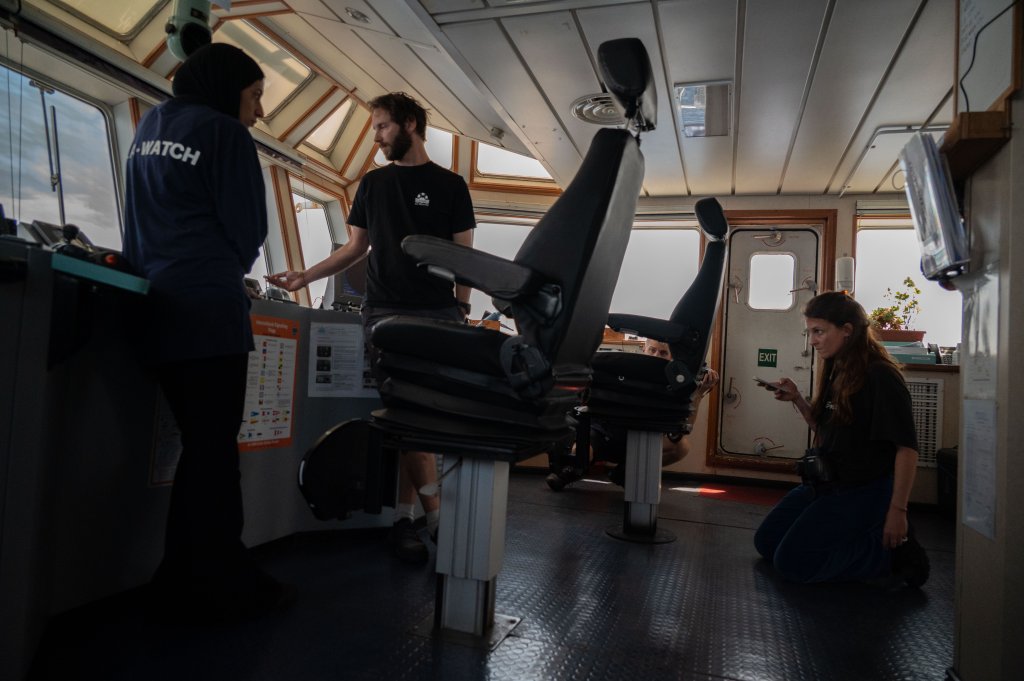
Sea-Watch Advocacy Officer Bérénice Gaudin has spoken out against the continued cooperation with Libya.
"The so-called Libyan coastguard shoots at people, threatens rescue crews, and leaves bodies behind at sea. And Europe trains them," she said. Sea-Watch is calling on Germany to not participate in training the Libyan coastguard and abandon its plans for the Benghazi coordination center.
The dangers of clandestine Mediterranean Sea crossings is also reflected in the numbers of dead and missing gathered by the IOM. Since the beginning of 2026, the UN agency's Missing Migrants Project had recorded 1,036 deaths and disappearances along the Central Mediterranean route alone. In 2025, the figure for the year stood at 1,330. A joint IOM–UNHCR report, meanwhile, recorded more than 100,000 crossing attempts from Libya, Tunisia and Algeria towards Italy and Malta in 2025, including people intercepted at sea and returned to countries in North Africa.
Crossing attempts do not tally with the number of people who eventually cross, since many migrants report making repeated attempts to cross, so sometimes these people will be counted twice or more in the same data.