
Brussels wants to turn Frontex into the EU’s central returns agency, with more staff, expanded powers and a bigger role beyond Europe’s borders. Rights groups warn the reform could weaken human rights safeguards, while the EU’s fundamental rights agency says monitoring and accountability at Europe’s borders still have significant gaps.
The European Commission’s plan to give Frontex sweeping new powers follows this summer’s humanitarian crisis in Ceuta, when tens of thousands of people crossed into the Spanish enclave from Morocco. Brussels says the reform would help the EU border agency respond faster, detect risks earlier and play a bigger role in returns.
Now Brussels wants Frontex to become the EU’s central body on returns, with 30,000 personnel, a Quick Reaction Force, expanded social media monitoring and the ability to help carry out returns from third countries.
European Commission President Ursula von der Leyen said in an announcement on Tuesday, 27 October, that the Commission seeks “to strengthen Frontex … with the mandate and capabilities that this new reality demands.”
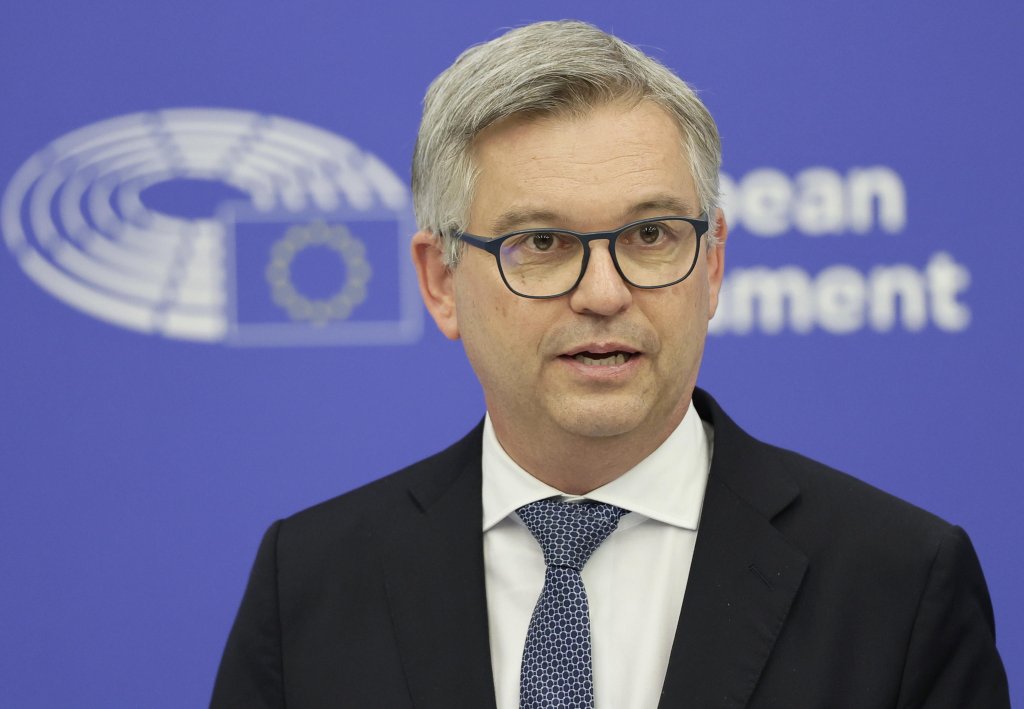
Magnus Brunner, the EU commissioner for internal affairs and migration, said the reform would make Frontex the "central EU actor on returns," with a Quick Reaction Force able to deploy within 24 hours and identify risks “before an event becomes a crisis.”
But the 275-page proposal arrives as the EU’s own fundamental rights agency warns that monitoring and investigations at Europe’s borders are already failing to keep pace with enforcement.
Read AlsoBrussels proposes turning Frontex into the EU’s central returns agency
A bigger returns machine
Frontex was created in 2005, following a EU 2004 decision, to support member states through operational cooperation, joint operations, risk analysis and information exchange. However, its role has changed substantially over the past decade.
“In 2015, when large numbers of people began arriving in Europe, the 2016 regulation turned Frontex into much more of a reserve and enforcement agency,” a Frontex spokesperson told InfoMigrants. “It became more operational, with more tools to deploy staff and equipment.”
The agency is already heavily involved in removals. "Frontex is involved in almost half of all returns from EU countries,” the spokesperson said. “Some member states use the agency a lot for returns; others use it less.”
Under the proposed reform, that role would become more central and formal. Frontex would coordinate the return cycle from early identification and voluntary return counseling through removal operations and reintegration support. It would also be able to help organize and carry out returns from one non-EU country to another, subject to an agreement with the country concerned and compliance with fundamental rights and international standards.
The Commission says the changes are intended to make returns faster and more effective. It has also proposed a separate regulation to digitalize return, readmission and reintegration procedures, with the aim of simplifying and speeding up administrative case management across the EU.
Read AlsoSpain: Judge orders release of Ceuta intelligence files as first deportations begin
Monitoring must 'keep pace'
The expansion comes as the EU Agency for Fundamental Rights (FRA) reports persistent gaps in monitoring and investigations at the EU’s external borders.
In 2025, Frontex fundamental rights monitors identified serious issues relating to access to asylum, alleged collective expulsions and excessive use of force. FRA also found gaps in follow-up to serious incident reports: of 53 incidents referred to national authorities, only six had been investigated by independent national institutions or courts.
FRA said better follow-up by national bodies would improve access to justice for victims and strengthen the credibility of Frontex’s protection mechanism.
Frontex also acknowledges the challenge. “As Frontex grows, the Fundamental Rights Office has to grow with it,” a Frontex spokesperson told InfoMigrants. “Accountability needs to keep pace.”
The Commission rejects suggestions that the reform would weaken those protections. “The fundamental rights framework in Frontex is among the strongest in any EU agency, and that will stay also with this review,” Henna Virkkunen, the Commission Vice-President for Tech Sovereignty, Security and Democracy, told reporters on Tuesday.
“I’m not aware of any other border management authority with stronger protection anywhere in the world,” Brunner said, "and we’re not changing that.”
But the agency also defends its presence in countries where abuses have been alleged.
“Being there is not the same as approving,” the Frontex spokesperson said. “Our officers and monitors are there to see what happens, report it and push for change. If our presence stopped doing that, it would have no purpose.”
“Withdrawing risks reducing scrutiny, not increasing it,” the spokesperson added. “The more Frontex officers are on the ground, the easier it is to make sure standards are applied."
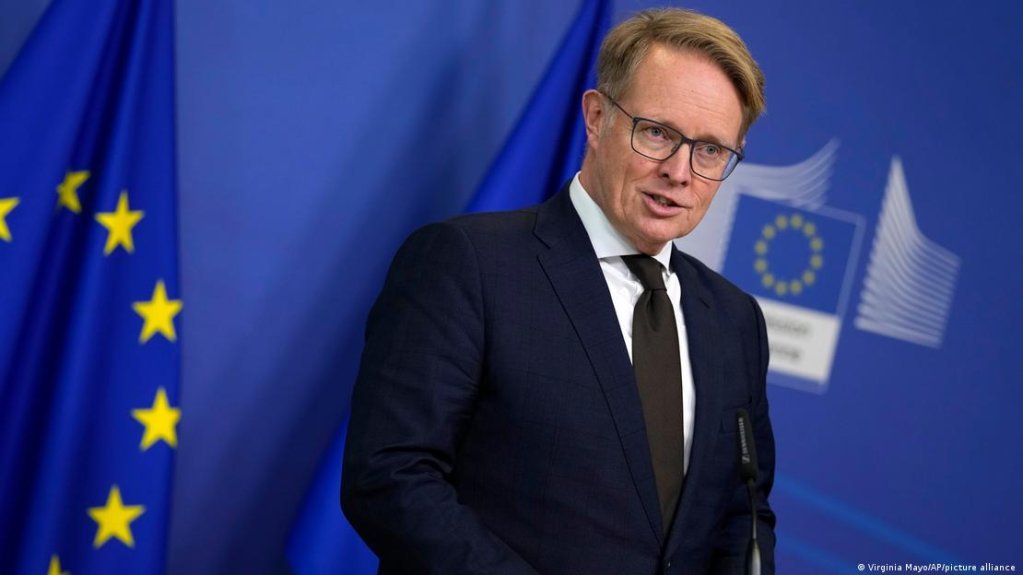
Frontex’s approach to fundamental rights has also been shaped by changes at the top. Fabrice Leggeri, who led the agency from 2015 to 2022, resigned amid allegations of misconduct and a lack of transparency and accountability, including over Frontex’s alleged involvement in pushbacks. He later stood as a candidate for France’s far-right National Rally.
Hans Leijtens took over as executive director in March 2023, promising to "restore trust" in the agency and place accountability, transparency and respect for human rights at the center of its work. His five-year term is due to end in 2028, meaning the next appointment could bring another shift in the agency’s leadership and approach.
Read AlsoFrontex investigation finds shortcomings in dealings with Libyan forces
The accountability dilemma
The reform also highlights a structural question. Frontex can monitor its own activities, but national authorities retain primary responsibility for investigating abuses committed by their own officers.
Under the proposed changes, the Fundamental Rights Office would not be able to look into an action where no Frontex officer was involved. Instead this will be passed to the ombudsman of the member state.
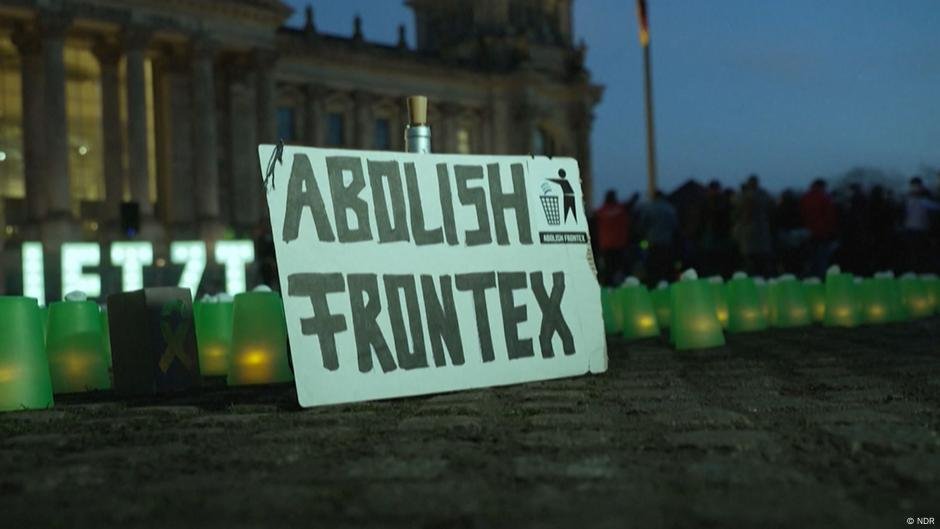
That creates the dilemma at the heart of Frontex’s presence in countries such as Greece, where Frontex serious incident reports have documented allegations of violent pushbacks, collective expulsion, ill-treatment and inadequate investigations.
"Being there is not the same as approving. Our officers and monitors are there to see what happens, report it and push for change. If our presence stopped doing that, it would have no purpose," the spokesperson said.
Amnesty International argues that the reform compounds that risk. “The European Commission’s proposed changes to the Frontex mandate once again prioritize expanding the agency’s powers to deport, enforce border control, and operate beyond the EU without expanding the agency’s human rights obligations in turn,” Eve Geddie, director of Amnesty’s European Institutions Office, said in a statement.
Ceuta, rescue restrictions, and weak accountability test EU migration safeguards
Returns beyond Europe
One of the most controversial elements is Frontex’s proposed role in returns from one non-EU country to another, potentially including return hubs in third countries.
Geddie said the proposal would give Frontex “new powers to carry out forced returns between non-EU countries, paving the way for a broader role in ‘return hubs’ in third countries.”
Adding that Frontex’s mandate explicitly requires respect for, protection of and promotion of human rights. “Yet instead of addressing structural deficiencies and flawed approaches that fuel violations and abuses against people at Europe’s borders, today’s decision will turbocharge this flawed approach in countries outside the EU,” Geddie said.
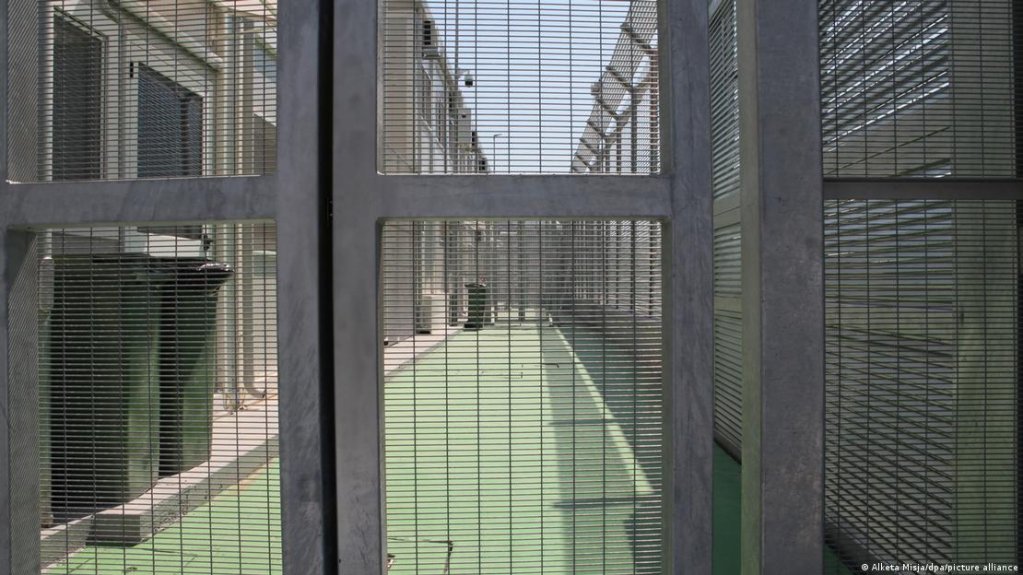
FRA, the European Union Agency for Fundamental Rights, has previously warned that return hubs carry serious fundamental rights risks and would require agreements with host countries and independent human rights monitoring mechanisms.
PICUM, a non-profit that defends the rights of undocumented migrants, goes further.
“This proposal massively expands Frontex’s powers to track, control and deport undocumented people, from inside the EU to third countries and between third countries, without introducing stronger human rights safeguards,” Chiara Catelli, the group’s advocacy officer, told InfoMigrants.
“More enforcement powers and increased financing, with insufficient safeguards, mean more opportunities for abuse and further barriers to accessing asylum, healthcare, legal assistance and other fundamental rights,” she said.
Read AlsoEU Council greenlights new rules enabling more effective returns
Surveillance and privacy
The reform would also expand Frontex’s digital surveillance capacity. A new Online Monitoring and Response Centre would monitor publicly accessible social media content to identify developments relevant to external border management and support action against illegal online content linked to border security risks.
The Commission presents the measure as a response to lessons from this year’s crisis in Ceuta.
“The idea behind social media monitoring is to counter misinformation,” Frontex's spokesperson told InfoMigrants. “Ceuta was a shock, and the aftermath shaped the reaction.”
But the spokesperson also acknowledged unresolved questions about the agency’s role.
“It is not clear how that will work if the agency is expected to become more proactive,” they said. “There are real questions about privacy, data protection and where the rights of legitimate law enforcement agencies begin and end.”
Rights groups warn that the powers could enable intrusive monitoring of migrants, refugees, diaspora communities, activists and journalists, potentially chilling freedom of expression.
Read AlsoEU to propose new emergency framework to tackle 'engineered and weaponized' migration
‘Not ICE’
Critics including Dutch Greens/EFA MEP Tineke Strik and Italian S&D MEP Cecilia Strada have compared the proposal to the US Immigration and Customs Enforcement agency. Strik said the Commission “risks turning Frontex into a European version of ICE.”
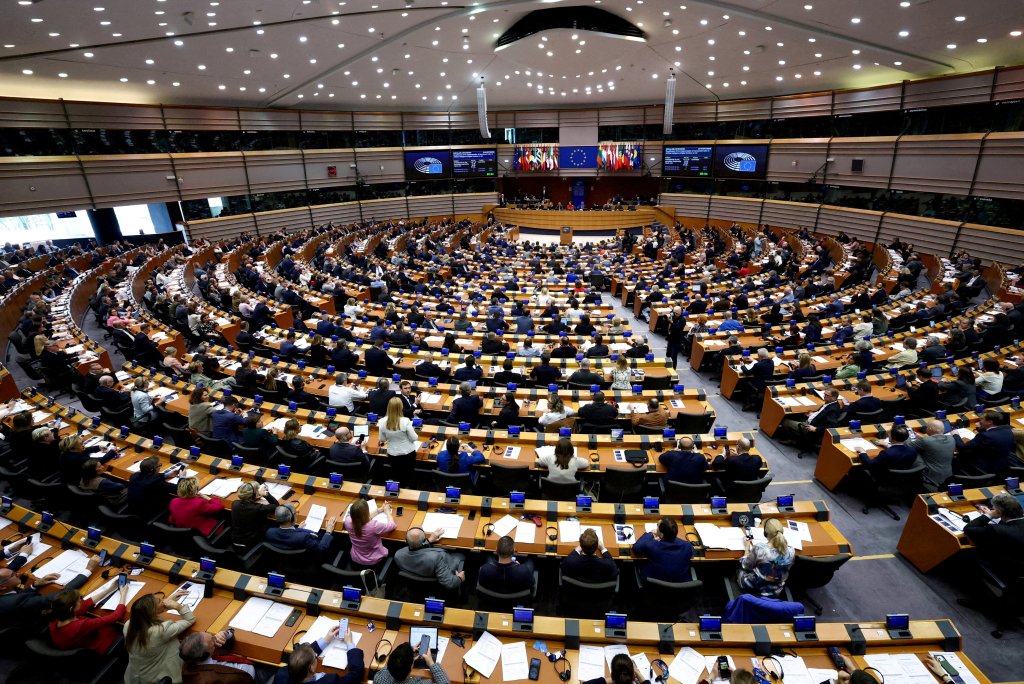
Frontex rejects the comparison.
“Frontex officers are border guards from across Europe, trained in fundamental rights and bound by the EU Charter,” a Frontex spokesperson told InfoMigrants. “We do not decide who stays or who goes. We do not round up people.”
The spokesperson added that independent monitors watch Frontex operations and that officers are required to report suspected violations of people’s rights and dignity.
Critics accept that Frontex is not institutionally identical to ICE, but argue that the comparison captures a political direction of travel -- a larger, better-funded and more centralized removal system, with growing surveillance capacity and an expanding role outside the EU.
Read AlsoEU ministers mull new ways to curb irregular migration
Cost and effectiveness
The Commission says the reform will make Frontex stronger, better equipped and better organized, while maximizing the effectiveness and cost efficiency of its support for returns.
The Commission notes that the return rate for third country nationals with a return decision was around 30 percent in the first quarter of 2026. It also says unauthorized crossings fell from about 380,000 in 2023 to about 178,000 in 2025, the lowest level since 2021.
The Commission argues that a larger standing corps, pooled equipment procurement and a centralized return system will generate economies of scale, reduce duplication and make deployments more predictable. The detailed financial and operational assumptions are set out in the proposal’s budgetary section and accompanying impact assessment.
Human rights groups argues that the money would be better spent elsewhere.
“At a time of growing inequality and economic insecurity, governments should be investing in policies that protect people’s rights and enable them to move, settle and work in dignity,” Catelli told InfoMigrants, “rather than pouring more resources into an increasingly expansive deportation apparatus.”
Geddie makes a similar argument. It says the Commission is “disproportionately” pouring resources into deportations and border enforcement while people across Europe face housing shortages and underfunded public services. “A fundamental reassessment of its priorities is long overdue, she says.”
Read AlsoGermany's Dobrindt calls for rapid-response Frontex force, expedited deportations
What happens next
The proposal now goes to the European Parliament and the Council. The Commission says the measures will make Frontex faster, better equipped and better organized, while maintaining respect for fundamental rights and human dignity.
But FRA’s findings raise the central question -- whether Frontex’s enforcement capacity can expand without the independent monitoring, national follow-up and victim remedies needed to make that power accountable.
“Fundamental rights obligations apply to all agencies and institutions, irrespective of their size, mandate or operational capacity,” a spokesperson for the FRA told InfoMigrants. “They remain applicable whether responsibilities expand, remain unchanged or are reduced.”
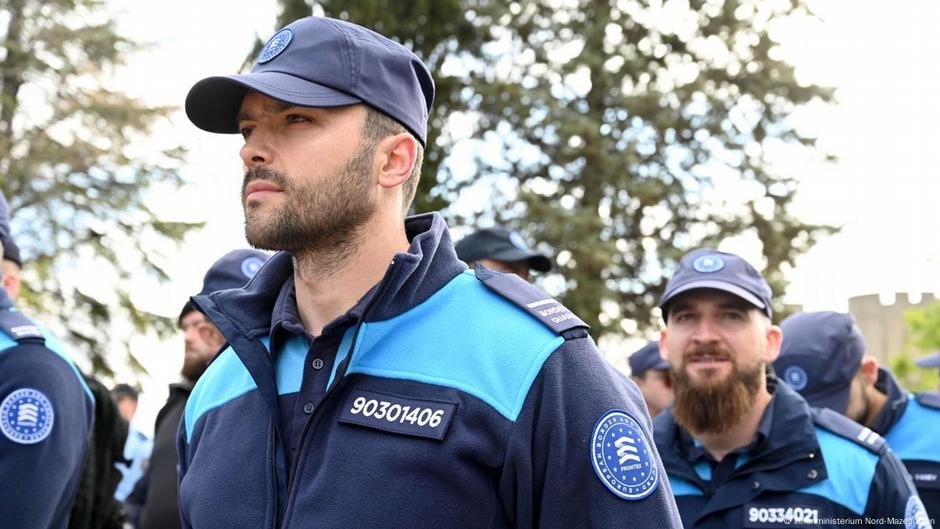
The question facing EU lawmakers is therefore not simply whether Europe needs a bigger border agency. It is whether it can expand one without weakening the safeguards that determine whether its power is lawful, accountable and effective.
The Commission says the reform would expand Frontex’s standing corps to 30,000 officers, create a Return Coordination Centre, allow support for returns from third countries, establish an Online Monitoring and Response Centre, and create a Quick Reaction Force deployable after a member state request.
FRA’s 2026 report says Frontex monitors identified serious issues including access to asylum, alleged collective expulsions and excessive force, while only six of 53 serious incident referrals to national authorities had been investigated by independent institutions or courts.