
Libya’s eastern-based administration has barred Iranian and Afghan nationals from entering areas under its control. The decision extends entry restrictions introduced in June and comes as the administration deepens cooperation with external partners on migration and maritime affairs.
Eastern Libya’s Government of National Stability (GNS), announced late on Wednesday (October 28) that Iranian and Afghan nationals are prohibited from entering Libyan territory through all land, air and sea ports. The GNS, which is led by Osama Hamad and is aligned with Khalifa Haftar's forces controls eastern Libya and large areas of the south, has not stated a reason for the decision.
The administration said its Interior Ministry would implement the measure and deport Iranian and Afghan nationals who do not hold valid residence permits. Accredited diplomatic and consular personnel and their family members are exempt, as are medical and educational professionals with the required work authorizations.
Read AlsoEU green lights 25 million euros to eastern Libya for border control
Extension of earlier restrictions
The announcement follows a June decision by the same administration to prohibit entry by nationals of Sudan, Eritrea, Ethiopia and Somalia. Officials described that measure as part of a reorganization of entry by foreign nationals to Libya.
Together, the decisions create an expanding system of nationality-based entry restrictions in eastern Libya. The administration has not published the legal basis for either measure or explained how it will assess individual circumstances, including asylum claims.
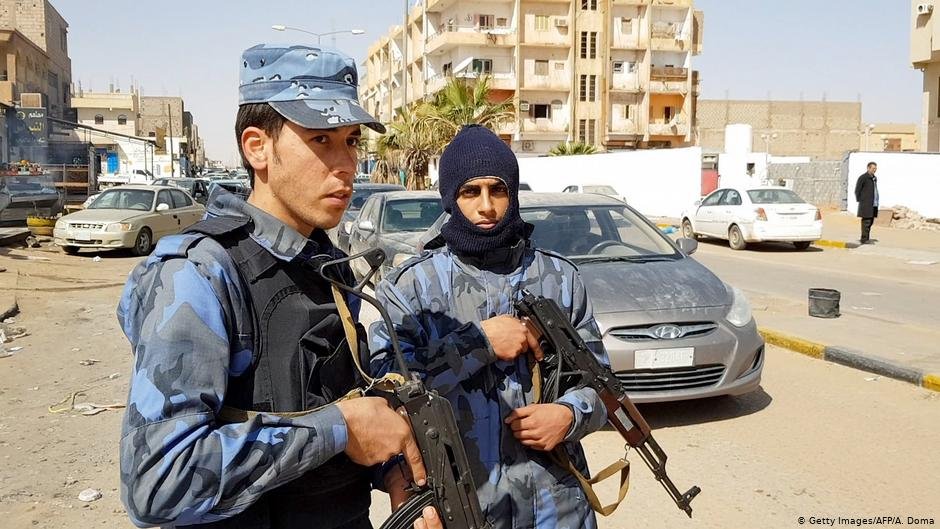
The measure was issued by the administration based in the eastern Libyan city of Benghazi led by Osama Hamad, which is aligned with Haftar. The administration is separate from the internationally recognized Government of National Unity in Tripoli, led by Abdulhamid Dbeibah. Libya has been divided between rival administrations since 2014, and the practical effect of the ban may depend on which ports, airports and border crossings are under eastern control.
Read AlsoEU to set up 'maritime rescue center' in Benghazi, eastern Libya

Libya has been divided since 2014 between two rival governments. In the west, the UN-recognized Government of National Unity in Tripoli. In the east, the Government of National Stability in Tobruk is backed by General Khalifa Haftar's Libyan National Army.
Migration and protection concerns
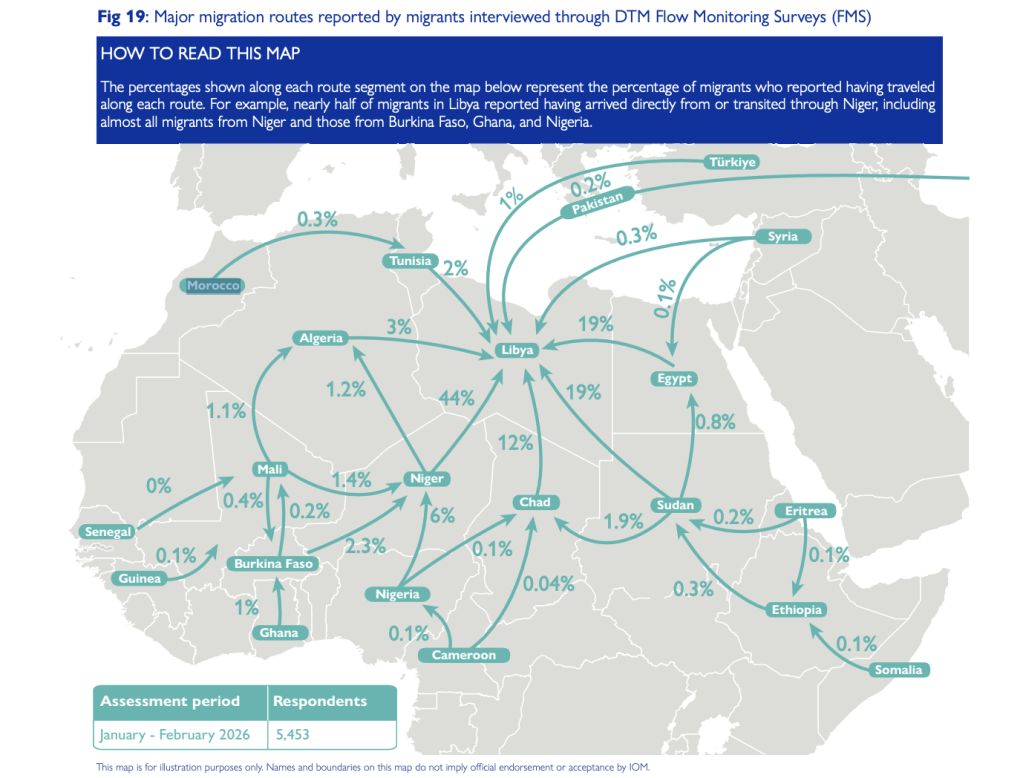
Libya remains a major country of transit and residence for migrants and refugees. UN data cited in recent reporting put the migrant population at more than 900,000 as of June.
Human rights organizations have warned that nationality-based restrictions and deportation orders may result in collective expulsions or removals without individual assessment. Amnesty International reported in June that Libyan authorities had carried out mass arrests, arbitrary detention and expulsions of refugees, asylum seekers and migrants, including people who were not given an opportunity to challenge deportation or claim asylum.
The latest announcement does not address asylum procedures, protection from refoulement, or safeguards for people who cannot be safely returned to Iran or Afghanistan.
Read AlsoEastern Libyan authorities claim they have deported more than 100,000 irregular migrants
Migration control and external partnerships
The ban comes as eastern Libya seeks closer relations with foreign governments and international organizations. In October, the eastern-based House of Representatives ratified a contested 2019 maritime boundary agreement with Turkey, strengthening ties between the eastern administration and Ankara.
Italy has also expanded its practical engagement with eastern Libya, although it has not announced a new bilateral migration agreement with the Benghazi-based administration. Together with Malta, Rome funds an EU-backed Maritime Rescue Coordination Center in Benghazi, intended to coordinate rescue and interception operations in the eastern Mediterranean. Italy’s principal formal migration framework with Libya remains the 2017 memorandum signed with the then internationally recognized Government of National Accord.
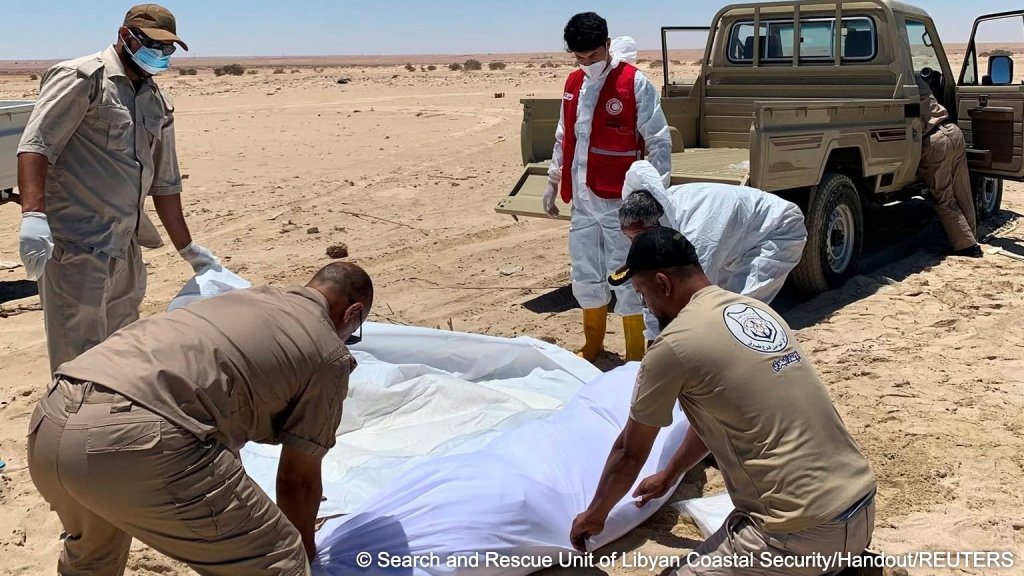
The European Union separately signed an additional 25 million euros in funding on October 13 to expand migration cooperation with eastern Libya. The funding is intended to support border management, search and rescue, and anti-smuggling efforts.
These developments reflect the increasing importance of eastern Libya in Mediterranean migration policy. Smugglers have increasingly used routes from eastern Libya toward Greece, including Crete, while enforcement has intensified on routes toward Italy.
Read AlsoEastern Libya signs contentious deal with Turkey, using migrants as bargaining chip
Regional opposition to maritime deal
The Turkey-Libya maritime agreement has drawn strong objections from Greece, Cyprus, Egypt, Bahrain, the United Arab Emirates and the European Union. Earlier this week, on October 26, Greek Foreign Minister Giorgos Gerapetritis delivered a joint statement at the United Nations on behalf of those parties.
The statement said the 2019 memorandum remains “null and void,” is contrary to international law, and cannot serve as a lawful basis for maritime delimitation or produce legal consequences for third states.

The signatories said the agreement disregards the maritime rights of coastal states, including the rights of islands under the United Nations Convention on the Law of the Sea. They also warned that its ratification raised concerns about regional security and stability.
The European Union had already stated on October 21 that the memorandum infringes on the sovereign rights of third states, does not comply with the law of the sea and is null and void.
Read AlsoIn eastern Libya, 'the financial profits generated by migrant trafficking are very significant'
With Reuters