
A group of 58 migrants has arrived on the small southern Greek island of Gavdos, bringing the total number of arrivals in Greece since the beginning of the year to more than 35,000. EU countries, including Greece, are exploring new approaches to managing migration, with more details emerging about so-called 'return hubs' that would be established outside the bloc.
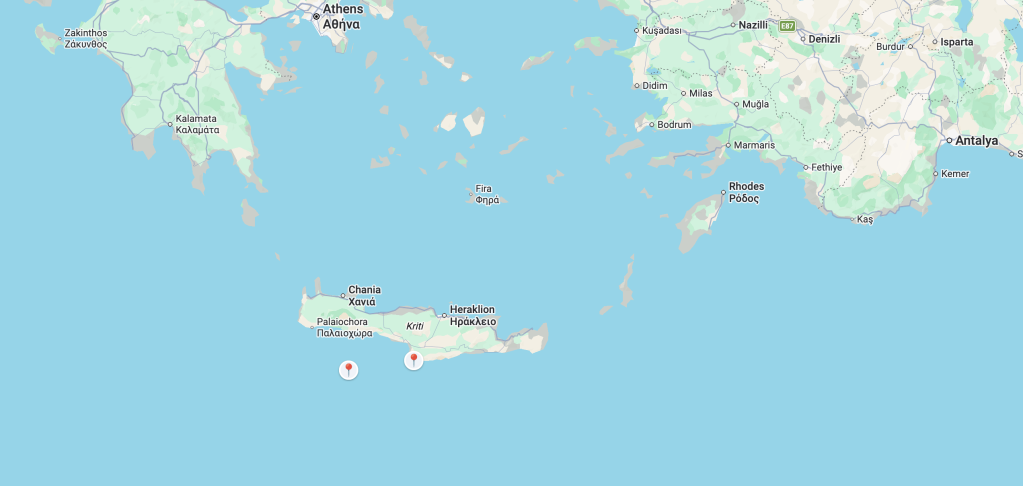
According to the Greek Coast Guard, 58 irregular migrants, including one woman, reached the island of Gavdos on October 28 after a days-long sea journey from Libya.
Authorities took the group to Ierapetra, a town on the neighboring island of Crete, Greece's largest island, located in the Mediterranean Sea.
The nationalities of the new arrivals have not yet been made public. Most irregular migrants arriving in Greece in recent months have come from Sudan, Bangladesh, Afghanistan and Egypt, according to recent reporting.
The latest arrivals now put the number of irregular migrants reaching Greece to date this year to more than 35,000 — as officials worry that this number could surpass the mark of 40,000 by the end of the year; nearly 49,000 migrants managed to arrive in Greece last year.
Read AlsoCrete and Gavdos among Greek Islands with highest migrant sea arrivals
Crete and Gavdos record rise in arrivals
Earlier in the week, more than 30 people were rescued from a migrant boat just south of Gavdos.
Both incidents underscore the sharp rise in migrant arrivals in southern Greece in recent weeks.
Crete and Gavdos have seen a spike in arrivals since August, with rescues taking place almost daily across the surrounding maritime region.
Read AlsoOver 30 migrants saved at sea near Gavdos
Body found on Crete
Meanwhile, the Greek coast guard said it had found the body of a male migrant near the remote Cretan village of Agia Roumeli.
Authorities stared conducting an autopsy to possibly match the man's DNA with the remains of people who are known to have gone missing at sea around that area.
Earlier in October, a total 12 people died in two separate shipwrecks on the same day in both Aegean and Mediterranean water while hoping to reach Greece.
Read AlsoTwelve migrants die in Aegean Sea during attempted crossings to Greece
At least 2,488 migrants are known to have died or gone missing while attempting to reach Europe by sea so far in 2026, according to the International Organization for Migration (IOM). The actual toll is likely higher, as some shipwrecks and disappearances go unrecorded.
Greater support for coast guard
As of September 15, the IOM had recorded 417 migrant deaths or disappearances along the Eastern Mediterranean route, which includes crossings to Greece.
Greece continues to strengthen its maritime surveillance and border patrol capabilities.
According to the Athens-Macedonian News Agency (AMNA), Greece has signed a contract worth €23.8 million to acquire seven additional high-speed patrol boats for its coast guard. The vessels are intended to strengthen patrols in Greek waters, protect the country's maritime borders and support search-and-rescue operations.

The seven boats will be built in Greece and are intended to "strengthen the coast guard's surveillance and operational capabilities in Greek waters," according to Greek City Times.
The contract also includes an option for the government to acquire up to seven additional high-speed boats of the same type in the future.
Read AlsoFatal journeys: The realities behind travel as a stowaway passenger
The new patrol boats will be set up reach speeds of almost 100 kilometers per hour on open water, with a range of close to 600 kilometers.
Their speed could help the coast guard respond to incidents involving fast-moving migrant-smuggling vessels.
Read AlsoMigrants cross from Turkey to small Greek island on speedboat
Crete and Gavdos emerge as key entry points for migrants arriving from Libya
Greece remains a major entry point into the European Union for migrants arriving from North Africa.
Many pay smugglers thousands of dollars for the dangerous crossing, often aboard small boats that may be ill-equipped for the journey.
Crete and its smaller neighbor Gavdos have emerged as a major destination for migrants crossing from Libya to Greece.
Since the beginning of 2026, the route to Crete and Gavdos has accounted for more than half of Greece's sea arrivals, according to reporting based on official figures
Read Also
Greece: About 120 migrants rescued near Crete and Gavdos
More deportations planned, but few returns home
People whose asylum applications are rejected in Europe may be ordered to leave the EU. However, the bloc has long struggled to enforce returns.
In 2025, only 28% of people ordered to leave were effectively returned to their countries of origin, according to the European Commission.
One major obstacle is the lack of cooperation from some countries of origin, although other factors also contribute to the low return rate. New EU rules will allow member states to establish so-called return hubs in non-EU countries for people who have received return decisions.
The facilities could house people awaiting deportation and potentially provide a route for their return to their countries of origin.
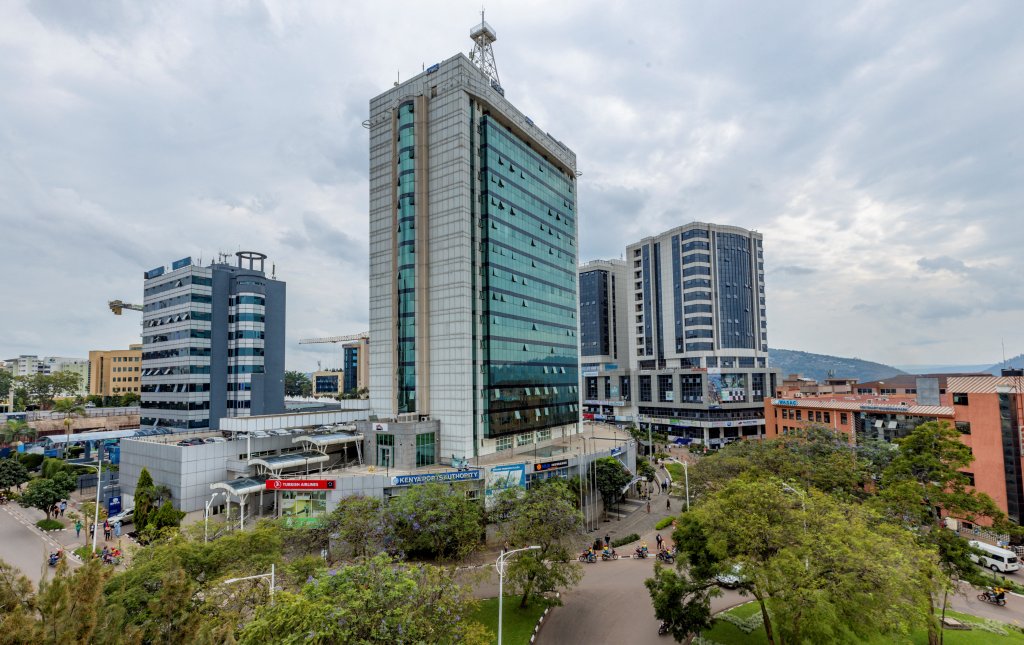
Rwanda has emerged as a possible location for the first such hub, according to recent reporting. Several EU countries, including Greece, are reportedly working together on plans to establish a facility in 2027. However, Rwanda has not been formally confirmed as the host country, and the plans remain subject to negotiations.
Read AlsoRwanda: Kigali emerges as site for Europe’s first migrant 'return hub'