
The Mixed Migration Centre project coordinator for West Africa has documented allegations of discriminatory arrests, family separation and inadequate reception conditions among people expelled from Mauritania to Rosso, Senegal.
Migrants expelled from Mauritania to Senegal describe violent raids, detention without explanation and days without adequate food or water after crossing the border, according to new field research by the Mixed Migration Centre (MMC).
Earlier this year, in August, an MMC project coordinator for West Africa traveled to Rosso, a town on the Senegal River that separates Senegal and Mauritania. Over one week, the coordinator spoke with people recently expelled from Mauritania and with organizations working in the town. The visit also supported the launch of MMC’s 4Mi data collection in the area.
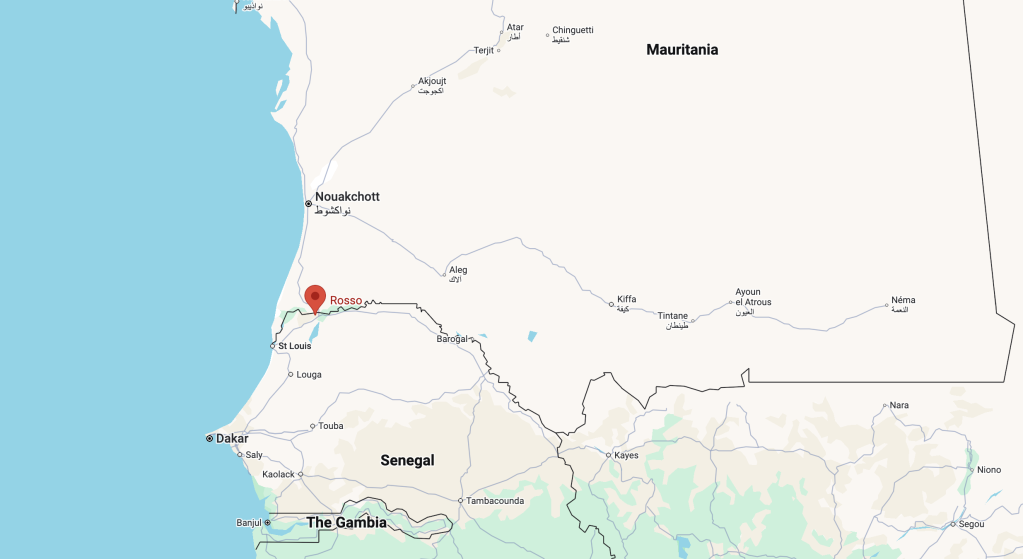
Three group returns crossed the official border during the week. The largest involved about 100 people.
“They treat us as if we are not human beings,” was the phrase migrants repeated most often according to the MMC coordinator.
Read AlsoOver 1,300 dead or missing on migration routes to Spain from January to May 2026
Raids and alleged discrimination
Migrants and local organizations described security operations in which officers did not check documents before detaining people. Some said that people with regular migration status were also taken.
Many of those interviewed said Black foreign nationals appeared to be disproportionately targeted, including people from Burkina Faso, Mali, Guinea and Côte d’Ivoire. “Once you are Black, there is a problem,” several people said.
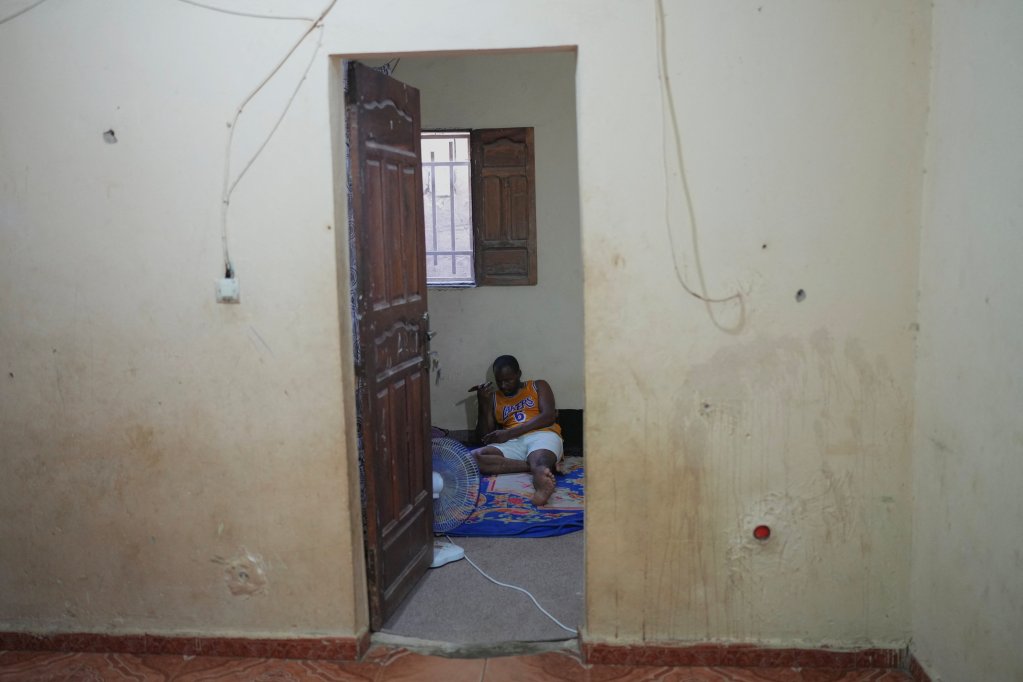
A Togolese woman told MMC that she had spent about 500,000 CFA francs, approximately $850, to obtain her documents. She said she had the documents with her, but that no one checked them before she was expelled.
Others said their documents were torn up during raids. Without identity documents, people may struggle to prove their nationality, obtain consular assistance or access voluntary return programs.
MMC could not independently verify every individual account. The consistency of the descriptions, however, points to a broader pattern reported by people arriving in Rosso.
Read AlsoMalians flee instability, 'horrors,' and Russian armed groups to head for Mauritania
Accounts of detention
People interviewed by MMC gave broadly similar accounts of detention.
They said they were taken without being able to explain their situation, placed in vehicles and driven to detention without explanation. Several said they were not allowed to contact relatives.
According to multiple accounts, people were held in cells and given one meal a day until there were enough people, around 40 or more, to be transported to Senegal.
Some said the raids were taking place in different parts of Mauritania. Many of the people who arrived in Rosso on one day said they had been detained in Nouadhibou, on the Atlantic coast, after their boat toward the Canary Islands broke down.
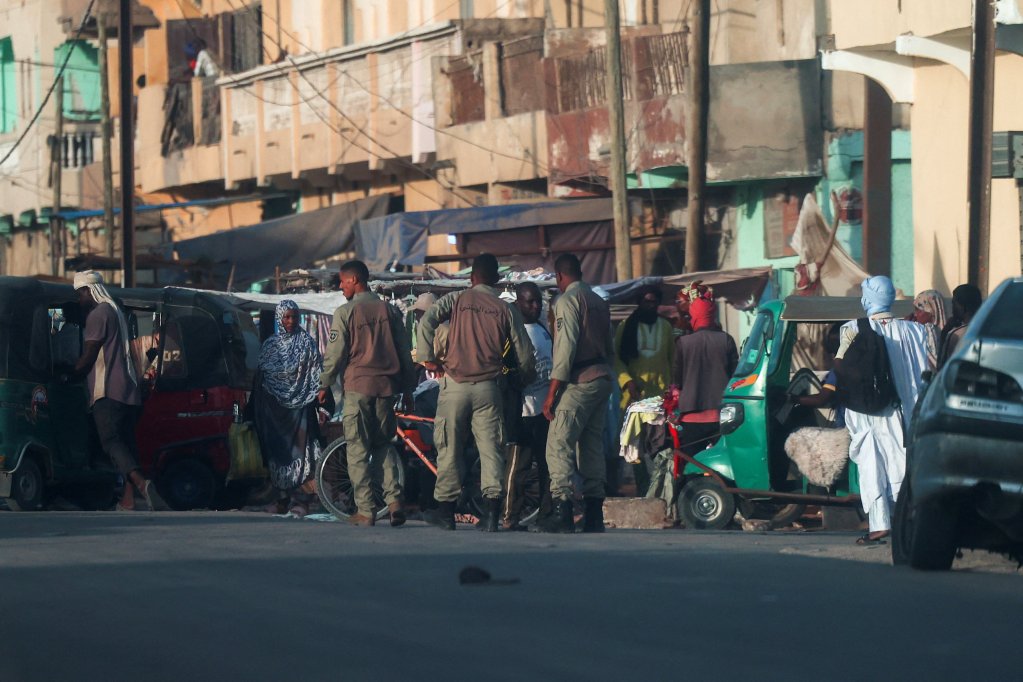
UNHCR told InfoMigrants that refugees and asylum seekers in Mauritanian cities, particularly Nouakchott and Nouadhibou, have reported increased immigration enforcement since late 2024, including arrests, detention and deportations.
The agency said the measures raise protection concerns, including access to asylum procedures and the risk of refoulement. It said it engages Mauritanian authorities to advocate for compliance with international refugee and human rights law and intervenes in individual cases where protection concerns are identified.
UNHCR said its monitoring, hotline and legal partner follow up on reports of arrests and detentions involving refugees and asylum seekers. It said these interventions have contributed to the release of refugees and asylum seekers in a number of cases.
Read AlsoMauritania intercepts 161 migrants as Atlantic route departures continue
Family separation also documented
Children are also affected by raids and detention. One case involved a woman who said she left her three-month-old baby upstairs while she went downstairs to buy food. She said she was detained during a raid and expelled to Rosso.
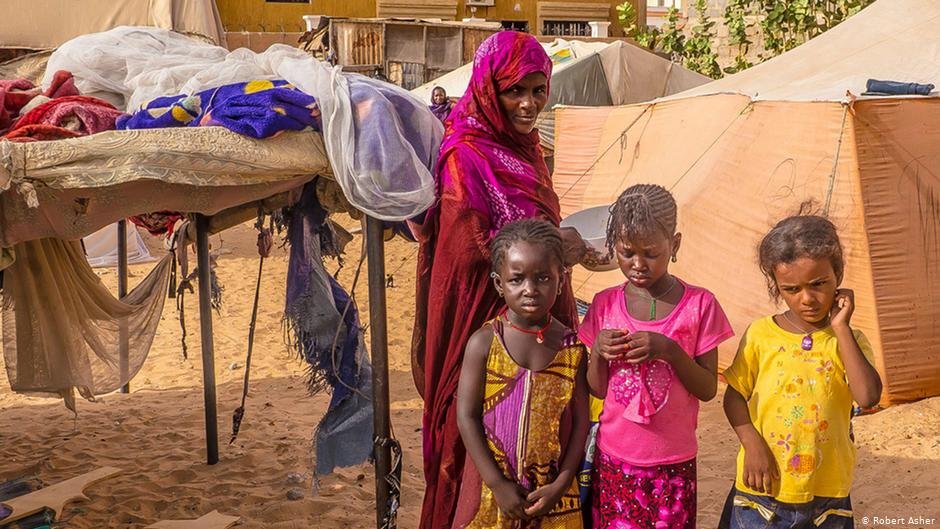
Staff from the International Organization for Migration (IOM) on both sides of the border were contacted. They located the baby and reunited the child with her mother in Rosso.
Another woman, a Guinean national living in Mauritania with her Mauritanian husband, said she was turned away when she tried to return from a family visit to Guinea. At the time of the interview, she was waiting in Rosso for her husband to find a way to bring her home.
Read Also'Those who remain': Families of migrants mourn their disappearance in Senegal
Smuggling dynamics in Mauritania
MMC’s June 2026 4Mi snapshot on smuggling dynamics in Mauritania provides wider context for the enforcement operations described in Rosso. It says data collection took place during a period of heightened enforcement, during which more than 30,000 people were apprehended in raids and interceptions and at least 18,300 were expelled to Mali and Senegal.
The snapshot is based on 467 surveys with migrants and refugees who reported using smuggling services during their journey to or within Mauritania. Rosso was one of five survey locations, alongside Nouakchott, Nouadhibou, Chami and Sélibaby.
However, the report does not document the experiences of people who had already been expelled or abused. MMC notes that such individuals were outside Mauritania at the time of data collection and were therefore not included in the sample.
Read AlsoEU reported to be considering 12 possible countries to site migrant 'return hubs'
A changing border practice
People in Rosso said the practice changed around the end of 2025, after Senegalese authorities told their Mauritanian counterparts that non-Senegalese nationals should be returned to their countries of origin rather than remain in Senegal.
According to their accounts, Mauritanian forces then began taking non-Senegalese nationals at night by pirogue to unofficial points along the river. Others said they were left on the Mauritanian riverbank and told to find their own way across to Senegal or face arrest.
MMC could not independently verify these accounts. They nonetheless reflect concerns that tighter border controls may be pushing migration into more dangerous and less visible routes.
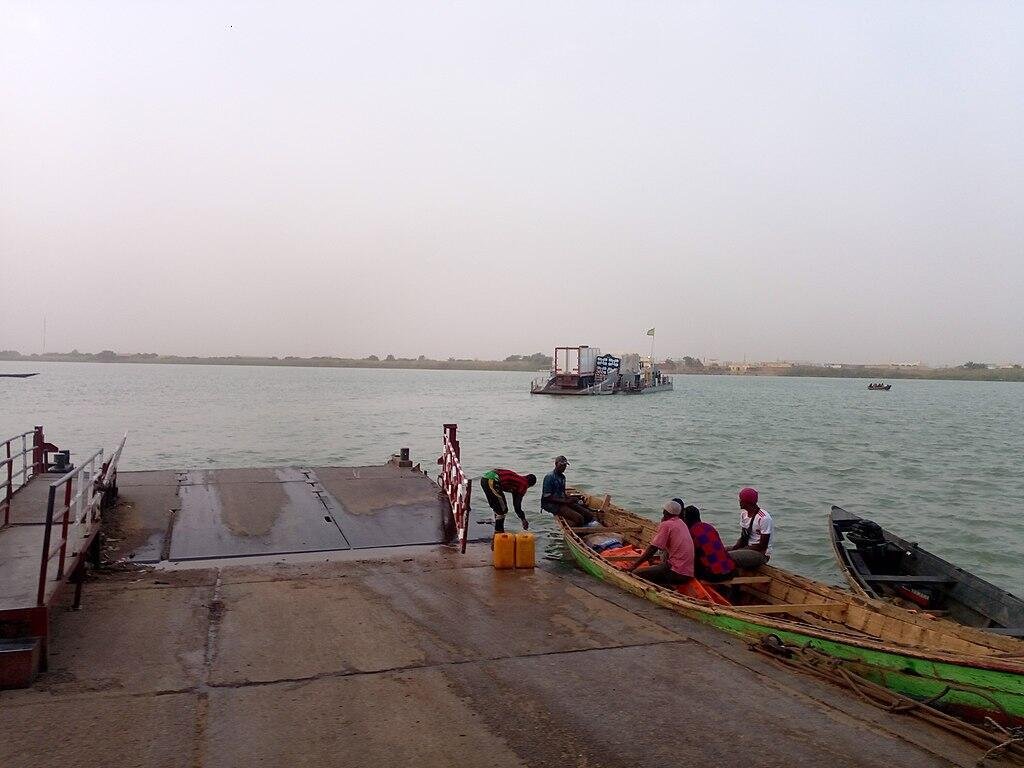
The accounts collected by MMC echo reporting by InfoMigrants in 2025, when Mauritania began a sustained campaign of arrests and expulsions of migrants in an irregular situation. InfoMigrants reported that hundreds of people, including Senegalese, Malians, Ivorians, Guineans and Gambians, became stranded in and around Rosso, where aid workers described regular arrivals of buses carrying 60 to 70 people and severe shortages of water, food, medicine and shelter.
Mauritanian authorities described the operations as routine enforcement against irregular migration and said expulsions complied with international conventions. Then Interior Minister Mohamed Ahmed Ould Mohamed Lemine said the expulsions were carried out "in accordance with international conventions." Authorities did not publish figures on the scale of the removals.
infomigrants
Read AlsoMore than 250 migrants rescued off Mauritania
Limited assistance in Rosso
People expelled through the official crossing said Senegalese police questioned them and then released them without food, water, shelter or onward assistance.
A humanitarian organization that began working in Rosso about three months before the MMC visit provides water and food on weekdays. There is no regular provision on weekends. On one Saturday, about 100 people spent the entire day without food or water.
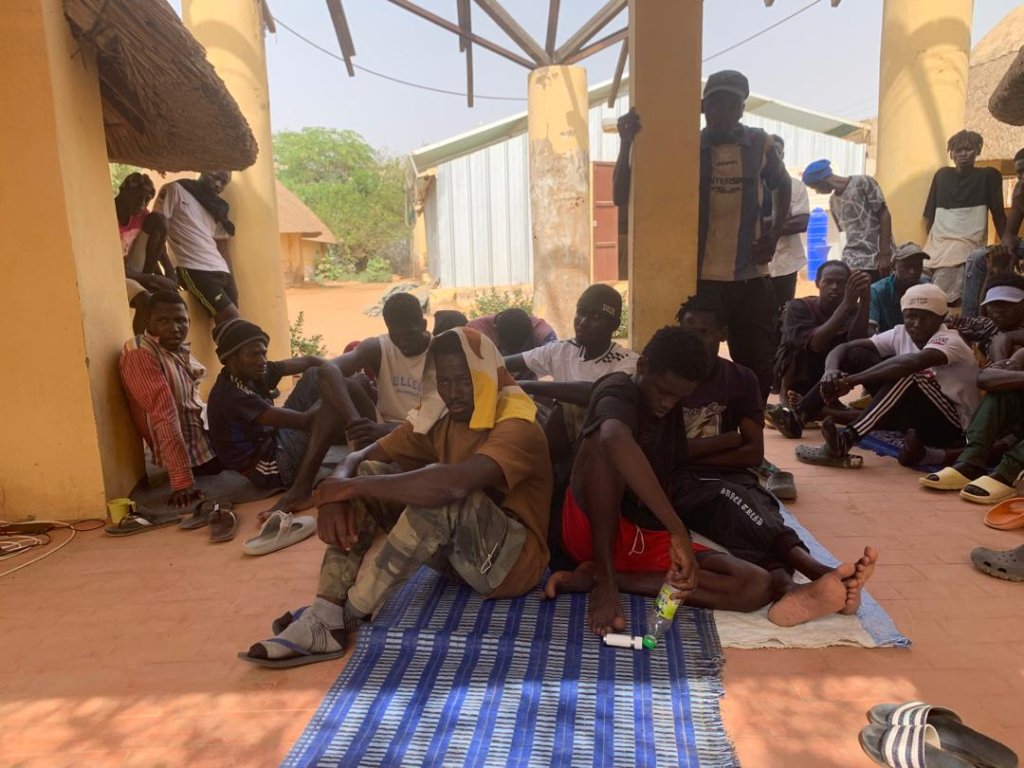
One man told MMC that, in Mauritania, he had been held in a cell but had received a piece of bread each day.
Many said they had no work and had left their belongings behind. A young Malian man, who was unable to take his luggage with him, said he slept outside a shop, paying its owner 1,000 CFA francs (about €1.50) per night.
Men can sleep in an open-sided shelter near the river run by a local organization. Women said they often had no comparable place to stay. Food, shelter and health care remain major concerns.
Read AlsoGuinea-Bissau drawn into shifting migration routes and human trafficking
Documents and return
People who want to return home can register for IOM’s voluntary return program, but they need proof of nationality. Some people obtain a scan of an identity card or birth certificate from relatives at home.
People whose documents were torn up, and who cannot obtain replacements, may be unable to access the program. They are among the most vulnerable people in Rosso -- unable to remain safely, unable to return through formal channels and dependent on informal support.
On the edge of town, young Nigerian women were living in a villa with poor sanitation and said they were doing sex work.
“They clearly said this was not what they wanted,” the MMC coordinator said, adding, “They were trying to reach Morocco or Europe, but they were rounded up and ended up in Rosso, Senegal. They have no work.”
Read AlsoOver 1,300 dead or missing on migration routes to Spain from January to May 2026
Enforcement and protection
Mauritania’s migration enforcement is taking place amid expanded international cooperation. In 2024, the European Union and Mauritania announced a 210 million euro partnership covering migration management, anti-smuggling efforts, refugee assistance and employment initiatives.

Mauritanian authorities have also reported repeated interceptions of boats traveling toward the Canary Islands. On October 27, 2026, the coast guard said it had located a vessel carrying 204 people, including 28 minors, who had reportedly departed from Barra in The Gambia.
Mauritania describes such operations as rescue and border management missions. But accounts from Rosso raise a separate question: what happens to people after they are intercepted, detained or expelled?
The situation in Rosso is no secret. Expelled people gather near the river, local organizations are aware of their presence and international agencies know they are there.
Yet assistance remains limited. People interviewed by field researchers said conditions were worsening rather than improving.
Read AlsoSenegal: How women bear the burden of migration
With AFP