
A man has been convicted of firebombing an Islington hotel that had housed migrants. The case has emerged amid warnings from more than 150 organizations that racist intimidation and violence are becoming increasingly normalized across the UK.
A 65-year-old man has been convicted of throwing a petrol bomb at a hotel in Islington that was being used to house migrants, after police said evidence pointed to a motivation rooted in hostility towards immigration.
Mark Neville pleaded guilty at Snaresbrook Crown Court on 28 October to attempted arson being reckless as to endangering life, possession of a bladed article and possession of a prohibited stun gun.
The attack occurred shortly before 11pm on September 24, 2025, when a masked man threw a flaming projectile over a gate towards the entrance of a hotel in Dingley Road. Security staff extinguished the fire and no one was injured.

Detectives said CCTV footage, local information and forensic evidence allowed them to identify and arrest Neville within two days. His DNA was reportedly found on fragments of the petrol bomb and on a discarded glove located with the help of a London Fire Brigade forensic fire dog.
Police said searches of his home revealed material relating to far-right activism, migration and asylum seekers. In the police interview, Neville initially denied involvement before admitting he was the person captured on CCTV. He then answered "no comment" to further questions.
Detective Chief Inspector Paul Ridley described the attack as intended to terrify residents and the local community, saying it could easily have caused horrific injuries.
Read AlsoUK: Fenland residents challenge Home Office asylum relocation proposal
A growing climate of fear
The conviction comes against a backdrop of intensifying anti-migrant protests and intimidation across England.
In September, protests in Portsmouth and Dover followed the arrival of a boat carrying approximately 120 people near the Isle of Wight. According to the government’s account, more than 200 protesters gathered at a Portsmouth harbor in an attempt to block coaches taking arrivals for processing. Police used batons and PAVA spray after what ministers described as aggression from some demonstrators.

Days later, around 40 to 50 people gathered outside a Marriott hotel in Portsmouth after online claims that migrants were being housed there. In fact, the guests were Pakistan’s Under-19 cricket team, visiting England for a youth series. Reform councillor George Madgwick, who spoke with hotel staff and the team’s coach, said the crowd dispersed after being told they had mistaken the cricketers for asylum seekers.
The incident became a stark illustration of how unverified social-media claims can translate into real-world intimidation.
Read AlsoUK: Protests in Gosport as large group of intercepted migrants are brought ashore
Civil society warning
More than 150 civil society organizations, including Amnesty International UK, Oxfam, Mind and the PCS union, subsequently warned that racist violence and intimidation were being normalized. Their joint statement described the situation as the third consecutive year of escalation and called on the government to act urgently to protect people targeted because of their ethnicity, religion, immigration status or skin color.
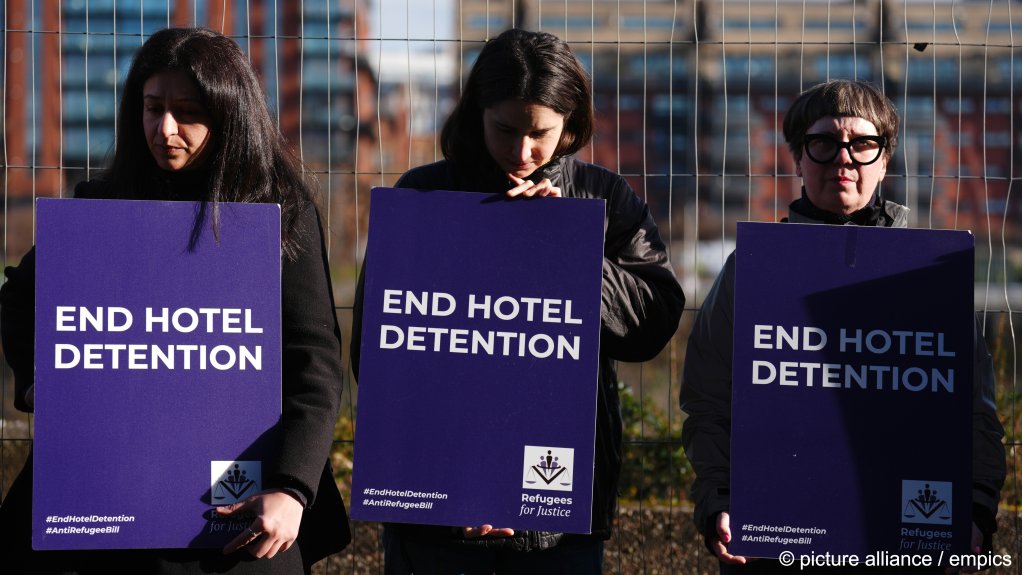
"These attacks are not isolated incidents," the statement said. It argued that political and media narratives had contributed to a climate in which anti-migrant sentiment and Islamophobia had become increasingly mainstream.
The groups said the consequences extended beyond property damage. They warned that people were becoming afraid to use public transport, send children to school or attend places of worship.
Read AlsoUK: More than 1,000 migrants arrive on small boats, as anti-migrant protests increase
Hotels to be replaced by 'dispersal' accomodation
The Islington attack also intersects with a highly contested aspect of UK asylum policy -- the use of hotels and short-term accommodation.
The government says it is closing asylum hotels and moving towards longer-term “dispersal accommodation,” while engaging local authorities to reduce the impact on communities. Dispersal accommodation is longer-term housing provided by the Home Office to asylum seekers awaiting a decision on their claim. Rather than staying in hotels, people are placed in flats, houses or shared accommodation across the UK, usually with no choice over the location.
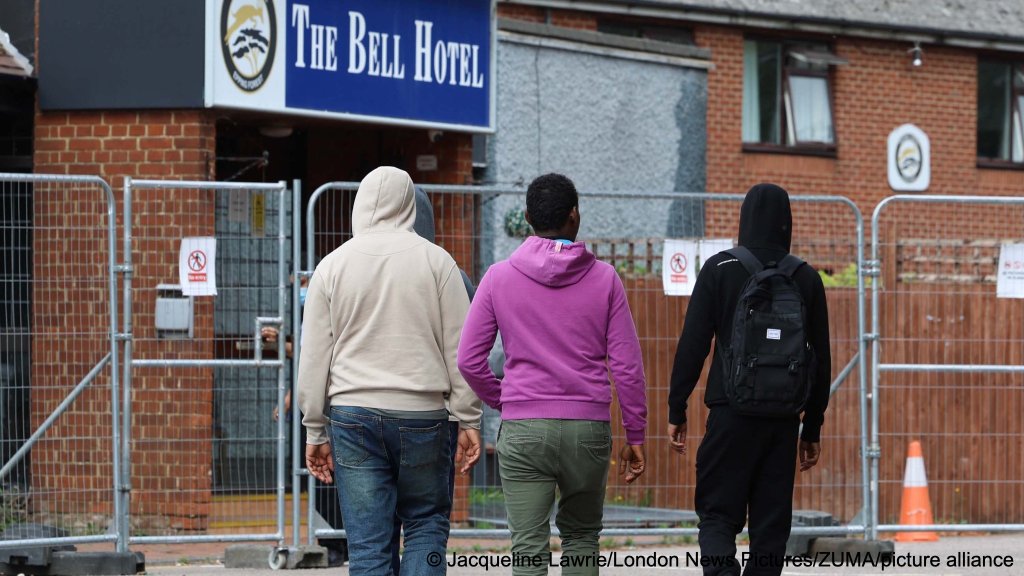
The policy is intended to spread supported asylum seekers more evenly across the country and reduce reliance on temporary hotel accommodation. But proposed relocations continue to provoke local opposition, including in Fenland, Cambridgeshire, where residents and the district council have raised concerns about housing pressure, public services, safety and the risk of local tensions.
That opposition is not confined to legal or administrative objections. In Salford, police have investigated repeated vandalism targeting houses in multiple occupation (HMOs) amid a wider campaign against so-called "migrant HMOs"; residents described being terrified by the attacks. In Gosport, a town close to Portsmouth, protests followed the arrival of 149 people rescued in the Channel.
Read AlsoUK: Masked protesters storm hotel, mistaking cricket players for asylum seekers
UK's growing political pressure
The violent incidents come against a backdrop of migration remaining central to British politics. The far-right party Reform UK has sought to capitalise on public concern by proposing to suspend asylum claims for up to five years, void existing applications and end refugee resettlement routes. Legal experts and refugee organisations have questioned whether these proposals are compatible with domestic and international law.

For the new government, the challenge is twofold: reducing reliance on hotels and managing arrivals while preventing public anxiety from being exploited through misinformation or turning into violence against migrants and minority communities.
The Islington case shows how hostility towards migrants can escalate from online rhetoric and street protests to targeted violence. Although no one was injured, police said the attack could have caused serious harm and was intended to intimidate both the hotel's residents and the wider community.
Read AlsoUK: Oxfordshire village holds symbolic referendum over planned asylum seeker camp