
A judge has given Madrid 15 days to declassify more intelligence on July’s deadly Ceuta crossing, as the government carries out its first deportations from the enclave since the crisis.
A Spanish judge investigating July’s deadly mass crossing into Ceuta has ordered the government to declassify further intelligence material, as Madrid carries out its first deportations from the enclave since the crisis began. The developments have intensified scrutiny of Spain’s border policy and asylum safeguards.
High Court Judge María Tardón is examining what Spanish authorities knew before tens of thousands of people crossed from Morocco into Ceuta on July 30, how intelligence was handled, and whether officials failed to act on warnings. On Tuesday, she gave the cabinet 15 days to release additional classified documents and reports, according to a court ruling.
The order requests all notes and reports produced by Spain’s National Intelligence Center (CNI), after July 30 concerning the border surge and Morocco’s role, including classified assessments of the conduct of Moroccan authorities. Tardón has also asked for the full recipient lists, with delivery timestamps, for two CNI intelligence notes dated July 27 and July 30.
Those details could establish not only whether Spain received advance warnings, but also who received them, when, and whether the information reached officials able to act on it.
Read AlsoCeuta: Additional 45.3 million euros allocated to deal with aftermath of migrant arrivals
Warnings already disclosed
The government had already declassified 40 intelligence documents on September 8. They included CNI notes and WhatsApp messages involving government officials, and showed that the intelligence agency warned both Moroccan counterparts and Spanish authorities of plans to storm Ceuta.
The newly requested files could cover the period after the crossing began and shed further light on Madrid’s understanding of Morocco’s handling of the crisis. The judge’s request indicates that the investigation is looking beyond Spain’s own decision-making to what Spanish officials knew about Moroccan border operations.
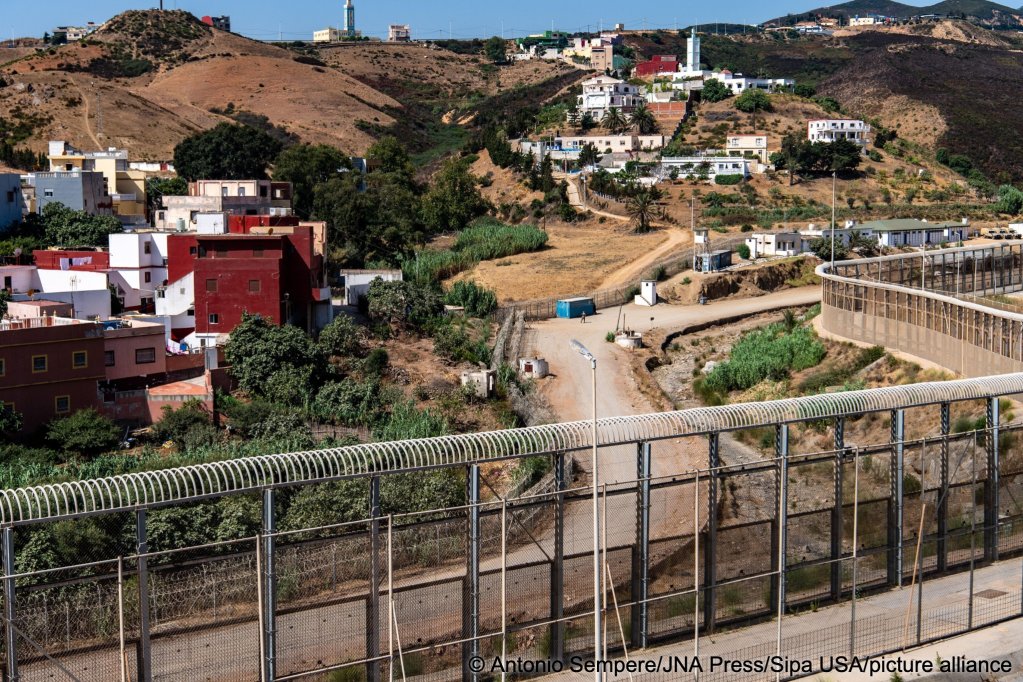
At least 72,000 migrants crossed from Morocco into Ceuta on July 30. Eighty-two deaths were confirmed on the Spanish side and 14 more in Morocco, making it one of the deadliest migrant incidents at a European Union border in recent years.
Read AlsoCeuta police arrest 45 over alleged use of third-party identity documents
First returns since the crisis
The judicial intervention came as Spain confirmed that it had deported migrants from Ceuta after their asylum applications were rejected, saying Morocco had agreed to receive them. It was the first deportation of its kind since the mass crossing in July.
Non-governmental organizations told Reuters that 16 people from African, Middle Eastern and Asian countries had been returned. The Interior Ministry did not confirm the number or the nationalities of those deported.
Amnesty International warned that the human rights of those removed could be at risk. “Spain, despite its [progressive] speeches in Europe, is not ensuring that human rights guarantees are met for people who cross its borders in Ceuta and Melilla,” said Virginia Alvarez, an Amnesty researcher told Al Jazeera. “Morocco does not respect many human rights.”
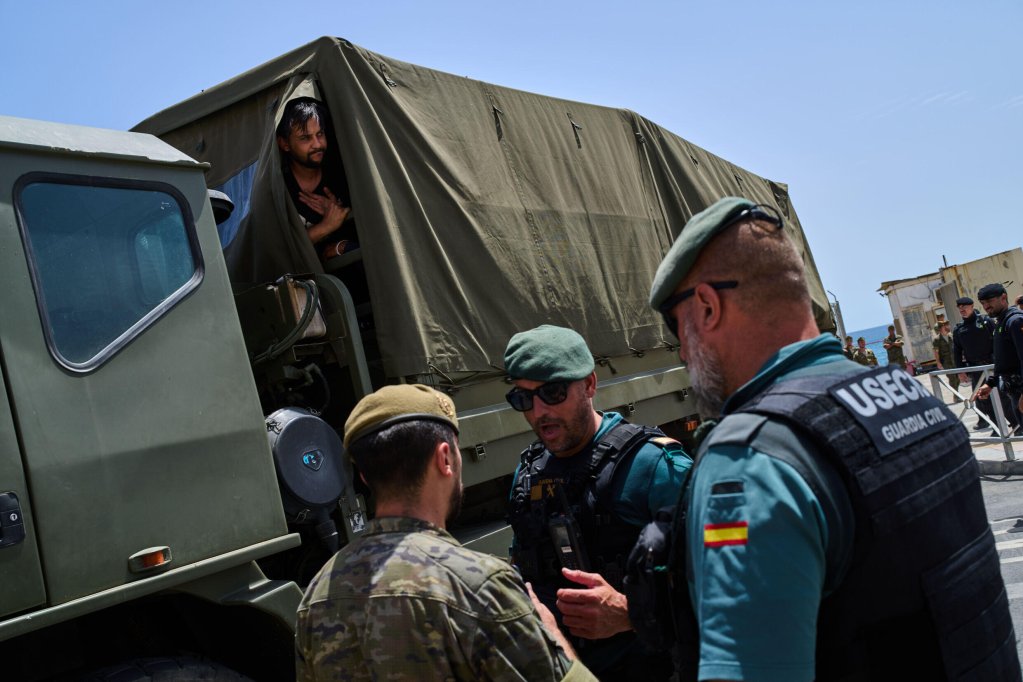
Madrid rejected that characterization. In a statement to Reuters, the Interior Ministry said the European Union considers Morocco a safe country and that deportations are carried out “with all the necessary safeguards.”
Rights groups argue that a general designation of Morocco as safe does not address the individual protection needs of asylum seekers, particularly where people may face persecution, ill-treatment or onward removal.
Read AlsoCeuta: Police find 74 migrants living in 'exploitative conditions,' one arrest
A political test for Sánchez
Most of those who entered Ceuta in late July left within days, but around 8,000 people remain in the enclave, including children. Some are sleeping on the streets, while others are being housed by the Spanish state, charities and civil-society groups.
The crisis has become a major political challenge for Prime Minister Pedro Sánchez ahead of snap elections scheduled for November 29. Tens of thousands of people have protested across Spain over the government’s handling of the situation, while right-wing parties have sought to turn the border crisis into a broader attack on his leadership.
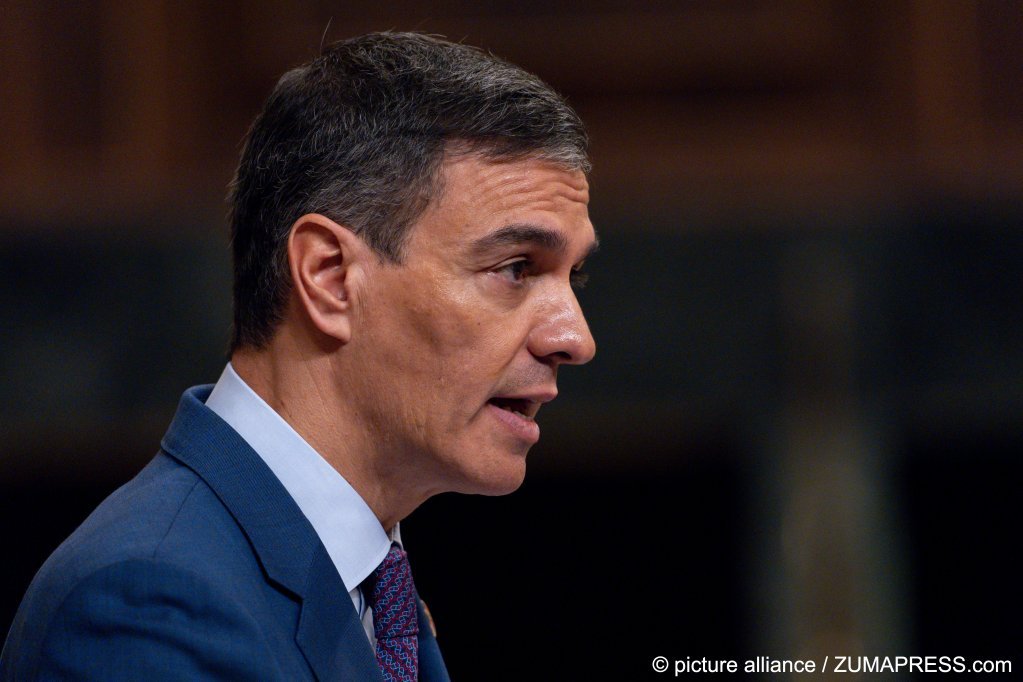
For the government, the judge’s deadline creates a new political and legal pressure point. If the released files show that warnings were widely circulated but not acted upon, the inquiry could shift from a question of intelligence failures to one of ministerial responsibility.
For people still in Ceuta, the deportations signal a firmer enforcement approach. Human rights organizations say the government must show that each person received an effective asylum assessment and will not face serious harm after return.
Read AlsoCeuta, rescue restrictions, and weak accountability test EU migration safeguards
Morocco’s wider leverage
The crisis has unfolded against a shifting diplomatic backdrop. Morocco has gained international ground since President Donald Trump recognized Moroccan sovereignty over Western Sahara in 2020, a move linked to Rabat’s normalization of relations with Israel under the Abraham Accords. Analysts cited by El País say that recognition strengthened Morocco’s diplomatic position, even though the subsequent Biden administration did not implement it through concrete measures.
Morocco’s position was further reinforced in October 2025, when the UN Security Council approved Resolution 2797, which backed Morocco’s autonomy plan for Western Sahara as a basis for negotiations. The United States, France and the United Kingdom voted in favor, while Russia and China abstained.

That diplomatic strength has coincided with a more assertive Moroccan posture toward Spain. During the current crisis, Moroccan officials have revived claims over Ceuta and Melilla, the two Spanish enclaves in North Africa. Morocco has long described them as occupied territories, although the United Nations does not classify them as territories to be decolonized in the same way as Western Sahara. Ceuta and Melilla remain under Spanish sovereignty, while Morocco’s claim to them is not recognized by the United Nations.
Some observers have speculated that the July crossings may have reflected internal divisions in Morocco or an attempt to pressure Sánchez, whom some in Rabat view as unfavorable to Trump. But no evidence has been presented publicly to establish that the crossings were orchestrated for those purposes, and the claim remains analytical speculation rather than a finding of the Spanish investigation.
Read AlsoMorocco's mounting role as EU-migration gatekeeper
What comes next
The next test will come when the cabinet responds to Tardón’s order. Whether it releases the full CNI record, or seeks to withhold parts of it on national-security grounds, may determine how far Spain’s reckoning over Ceuta extends.
But the inquiry is unlikely to resolve the wider diplomatic question -- how Spain manages its relationship with Morocco, while maintaining cooperation on migration, security and trade. For Sánchez, the challenge is to answer domestic demands for accountability without triggering a new rupture with Rabat.
Read AlsoCan the EU suspend the right to asylum?
With Reuters