
El Hierro is struggling to cope with nearly 1,600 migrant arrivals in just over a week, putting pressure on healthcare and reception facilities. Canary Islands President Fernando Clavijo has requested urgent support from Spain’s central government.
The medical director of El Hierro’s only hospital has asked Spain’s central government to send additional police officers, saying the island is struggling to manage a sharp increase in migrant arrivals.
Luis González, who leads Nuestra Señora de los Reyes Hospital, said staff were “a little overwhelmed,” although he said the emergency department was not yet saturated.
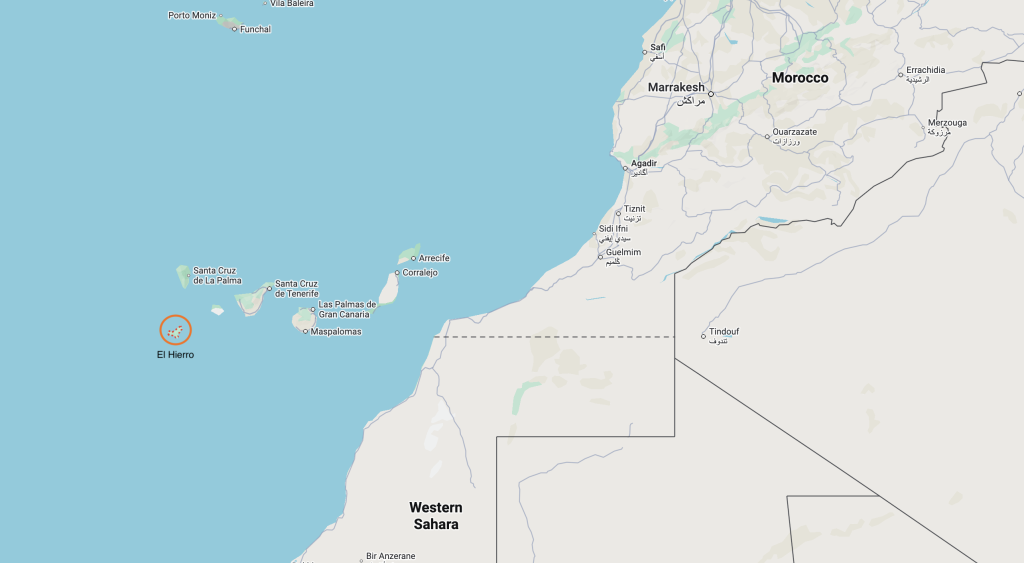
Nearly 1,600 people have arrived on El Hierro by sea in just over a week, with more than 20 vessels reaching the island since 19 October. More than 400 recent arrivals were rescued at sea, while many others have since been transferred to other parts of the Canary Islands or mainland Spain.
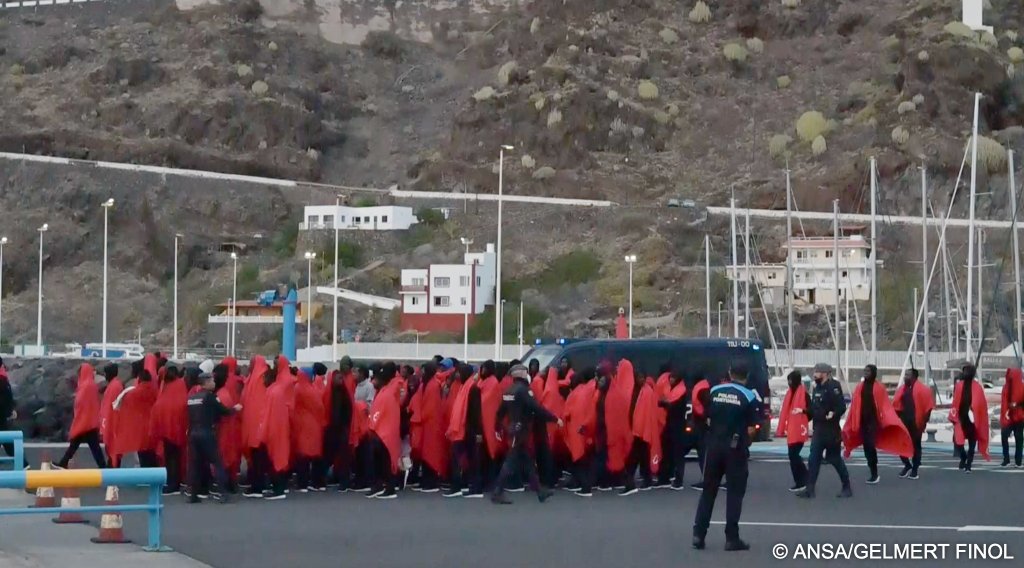
The island, which has a registered population of about 12,000, has become the main point of pressure in a broader increase in arrivals along the Atlantic migration route to the Canary Islands.
Read AlsoSpain: El Hierro overwhelmed as more migrants continue to reach Canaries
Hospital under pressure
González said 86 migrants had been treated in the hospital’s emergency department so far in October, compared with five in October 2025. He said 21 migrants had been admitted during the month, compared with two in the same period last year, and that around 10 remained hospitalized.
He said the increase had coincided with the flu and cold season and with the healthcare needs of an aging local population. González said residents continued to receive care, but that staff were using hospital corridors and that the service was under sustained pressure.
He identified delays in transferring migrants after treatment as a major difficulty. According to González, people who have received emergency care sometimes wait for hours because there are not enough National Police and Guardia Civil officers to take charge of them, while officers are also needed at the port of La Restinga to process new arrivals.
"We demand and ask the central government to provide the necessary resources," González said. He added that officers "cannot give any more" and needed reinforcements, while saying the Canary Islands Health Service had provided the support the hospital had requested.
Read AlsoOver 80 feared dead after Gambian migrant boat drifts 27 days to Canary Islands
Reception center conditions inadequate
The hospital’s nursing director, Jorge Silva, separately raised concerns about conditions at the temporary migrant reception center, known as the CATE. He said the medical facility there had been set up gradually inside a police site whose infrastructure is not controlled by the health service.
Silva said staff had repeatedly requested a suitable facility and warned that poor conditions and bad weather could put health workers at risk. During recent rain, he said, staff worked in rubber boots "with water around their feet."
He said care at the CATE had helped prevent the 31-bed hospital from becoming overwhelmed. Staff there had treated more than 1,000 people in recent days, according to Silva.
"We have to care for these patients, we want to care for these patients, but we have a responsibility to protect our staff," Silva said. He said health workers were not refusing to provide care, but needed safe working conditions.
Read AlsoCanary Islands: Over 700 migrants rescued in fewer than 30 hours
Regional government seeks support
Canary Islands President Fernando Clavijo said El Hierro faced a complex situation involving healthcare, logistics and resources. He said he would visit the island and warned that the regional government could take legal action if the central government did not respond to its request for assistance.
Clavijo said he had written to Prime Minister Pedro Sánchez requesting six urgent measures. These include a contingency plan, a meeting of the Canary Islands–State Security Board, faster transfers of adults to the Spanish mainland, and additional support from the European Union and Frontex. He said the regional government had not received a reply.
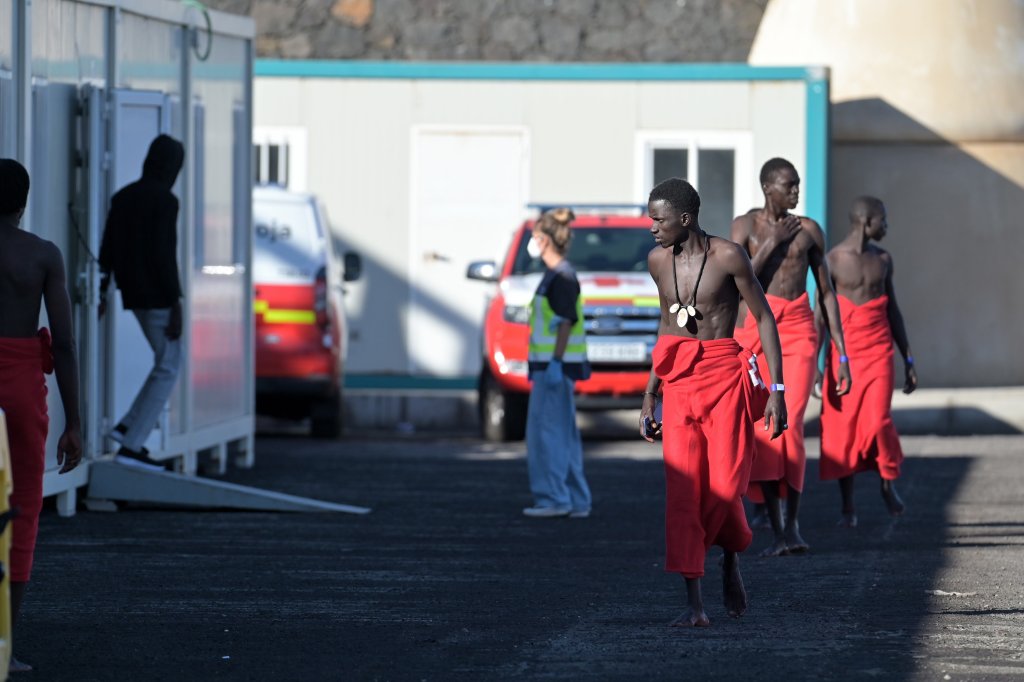
The Canary Islands government said 3,814 people had arrived in the archipelago by sea by 25 October, including 2,776 on El Hierro. Later reporting indicated that the October total had continued to rise.
Read AlsoSpain: Dozens rescued near El Hierro after desperate search
Atlantic route risks
The Atlantic route to the Canary Islands is widely described as one of the world’s most dangerous migration routes. People often travel in small wooden or inflatable vessels, known locally as cayucos or pateras, over long distances and in difficult sea conditions.
The International Organization for Migration recorded 1,214 deaths or disappearances on the West Africa or the Atlantic route in 2025. Globally, it recorded 7,667 migrant deaths and disappearances that year, a figure the organization considers likely to be an undercount.
Canary Islands arrivals fell sharply in 2025, to 17,788 from a record 46,843 in 2024, according to Spain’s Interior Ministry. October’s figures indicate that arrivals, and the pressure they place on El Hierro, are increasing again.
Read AlsoIOM warns that migration routes to Europe are becoming more dangerous
With EFE