
Local authorities and regional officials in the Canary Islands have raised concerns over severe resource constraints as large numbers of irregular migrants continue to reach the archipelago — especially the small southwestern island of El Hierro.
Nearly 1,600 people have arrived on the island of El Hierro in just over a week, traveling for hundreds and even thousands of kilometers on the open waters of the Atlantic.
The arrival of more than 20 canoes and similar unseaworthy vessels since October 19 have placed the Canary island under immense pressure: The rate of migrants on El Hierro right now corresponds with over 10 percent of the island's population of roughly 11,000 residents.
Out of all the recent arrivals, more than 400 people had to be rescued at sea, reaching the island group only with the help of maritime authorities.
Read AlsoCanary Islands: Over 700 migrants rescued in fewer than 30 hours
So far, authorities have managed to transfer fewer than 900 people out of the 1,590 arrivals in total registered over the past week, as frequent migrant arrivals are expected to continue until December.
In October, El Hierro has received around 2,900 migrant arrivals, the majority of whom have since been transferred to other parts of Spain. In most cases, however, migrants arriving on the small island are transferred to more populous parts of the Canary Islands, such as Gran Canaria and Tenerife.
Read AlsoSenegal: Authorities rescue 139 migrants after days at sea
Canary Islands under great strain
Local municipalities have voiced concern that existing facilities on the island are operating under great pressure, warning that current reception and sanitary capacities struggle to keep pace with these rapid arrival rates.
Emergency responders and officials linked to local infrastructure services say they are overwhelmed by the sudden development, stressing that relying on a network of volunteers can no longer match the current frequency of arrivals.
Read AlsoGuinea-Bissau drawn into shifting migration routes and human trafficking
The rising volume of migrant arrivals meanwhile has prompted Canary Islands President Fernando Clavijo to call for increased support from Spain's central government in Madrid.
Clavijo has in particular called for enhanced resources to be made available to El Hierro and greater coordination from Madrid to manage peak reception periods.
He has also demanded for the government to approve a contingency plan to secure greater involvement from the EU, as the arrivals of irregular migrants continues — including the activation of the solidarity mechanisms under the European Pact on Migration introduced earlier this year.
With Spain preparing for a general election on November 29, the campaign period could hamper decisions on the allocation and movement of resources, potentially complicating efforts to manage migrant arrivals in the Canary Islands.
Read AlsoSpain asks Frontex to patrol African waters to curb migration
Atlantic route: Hundreds of deaths so far in 2026
The Atlantic route to Spain's Canary Islands remains one of the most dangerous maritime migration routes, with thousands of people attempting the crossing from the West African coast.
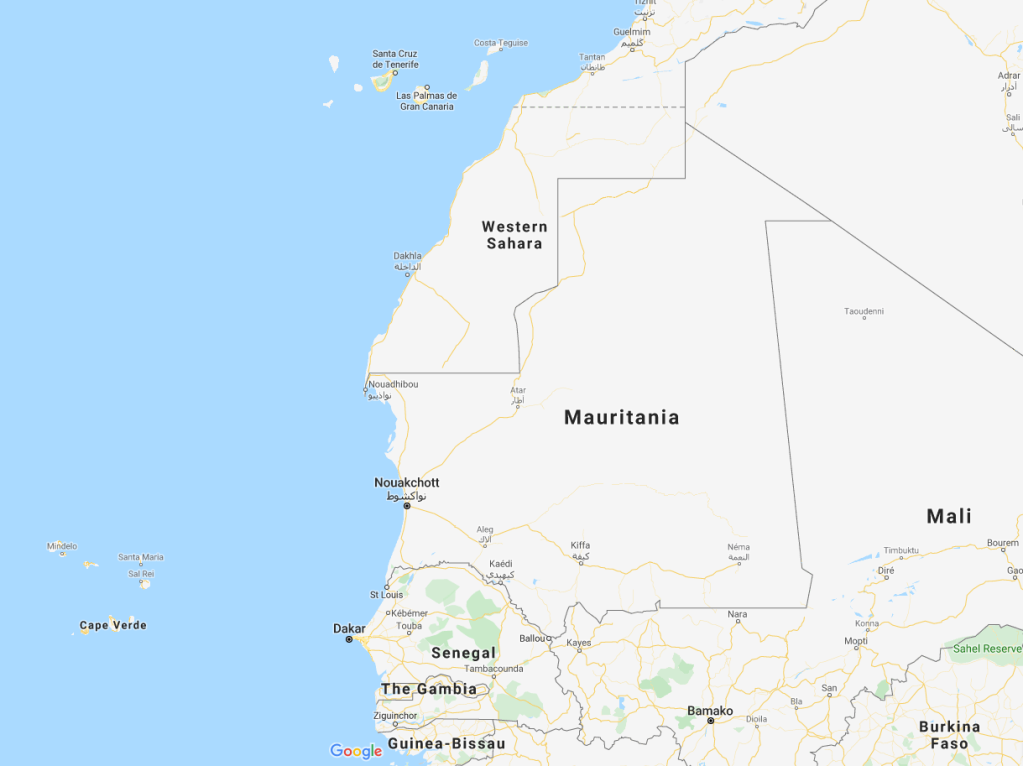
Migrant charities report that children and adolescents are also among those making these perilous journey. Most migrants travelling this route originate from West African countries, including Mali and Senegal, while departure points also include Morocco and Mauritania.
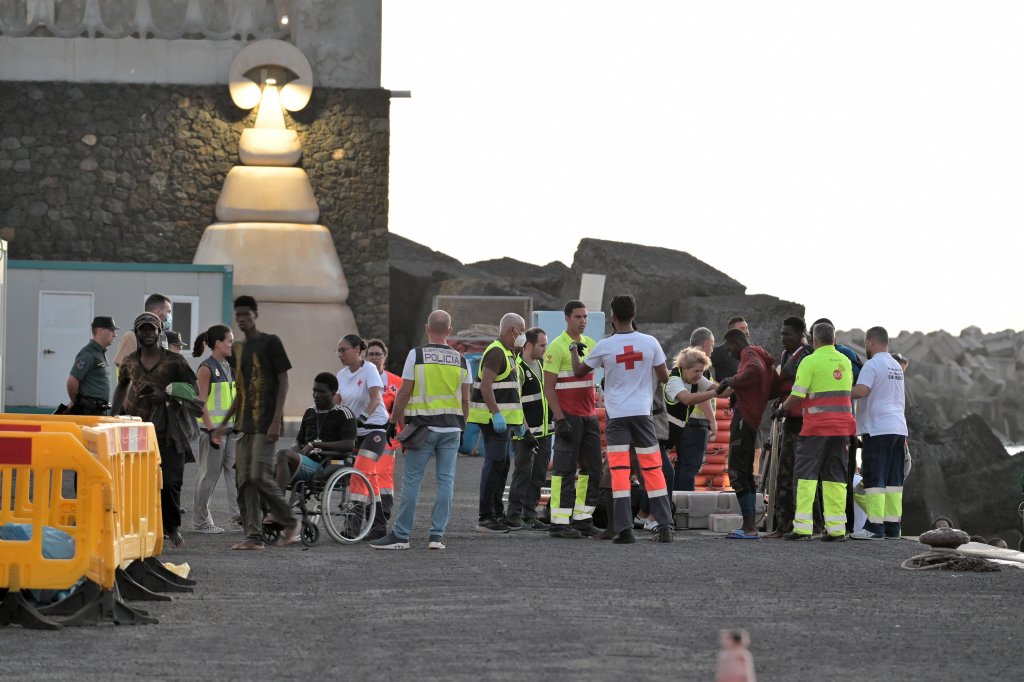
The arduous journey to the Canaries can take many days or even weeks on end on crammed boats.
Survivors report that during this time, smugglers provide them with limited provisions.
According to Spanish migrant charity Caminando Fronteras, 635 people died or disappeared while attempting to reach the Canary Islands via the Atlantic route between January and May 2026. Across all migration routes to Spain, the charity recorded 1,317 victims during the same period.
In 2025, the Atlantic route claimed 1,906 lives, according to the charity, compared with 9,757 in 2024, when the route accounted for the vast majority of the 10,457 deaths and disappearances recorded across all of Spain's maritime migration routes.
Read AlsoCanary Islands: Migrant arrivals fell by more than 60 percent in 2025