
Thirty-five Bangladeshi migrants who were deported from Italy, Greece and Cyprus arrived in Bangladesh on Friday, October 23, aboard a charter flight. The group included 19 people returned from Italy, 10 from Greece and six from Cyprus.
The flight landed at Hazrat Shahjalal International Airport in Dhaka, the Bangladeshi capital, at 8.15 am local time.
According to sources at the airport and the immigration police, the passengers arrived on a special charter flight numbered PVG 9445.
At the airport, the returnees received emergency assistance, counselling and financial support to help them travel to their home areas.
The assistance was provided by BRAC, a Bangladesh-based non-governmental organization (NGO), through its Migration Program, with support from Civil Aviation Security and the expatriate welfare desk. Representatives of Bangladesh’s Ministry of Foreign Affairs and the European Union were also present.
Read AlsoIn eastern Libya, 'the financial profits generated by migrant trafficking are very significant'
Support for returnees
Shariful Hasan, associate director of BRAC’s Migration Program and Youth Platform, confirmed to Infomigrants that all 35 Bangladeshi nationals had arrived in Dhaka on Friday morning.
He said they received assistance under the Prottasha-2 project, jointly funded by the European Union and BRAC. They will also receive financial support after completing counselling and training, he added.
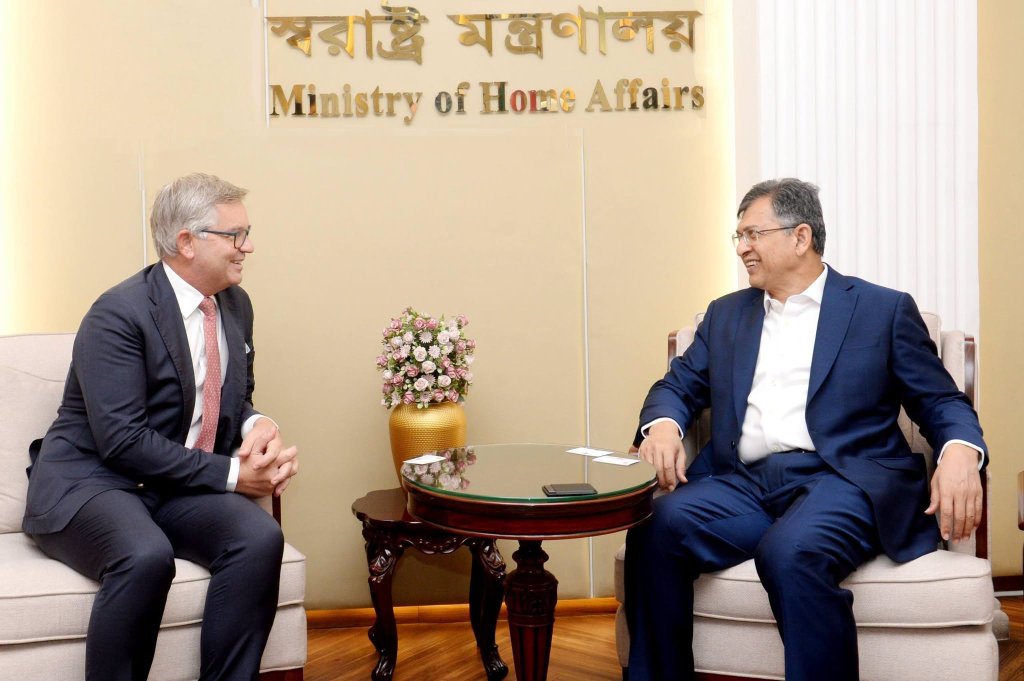
BRAC provides assistance to Bangladeshi migrants returning from abroad, including those deported from European countries. Its support can help returnees meet immediate needs after arrival and prepare to rebuild their lives in Bangladesh.
Read AlsoEastern Libyan authorities recover 120 migrants from 'trafficking dens'
Around 5,000 Bangladeshis returned from Europe
In 2017, the Bangladeshi government signed standard operating procedure (SOP) agreements with European countries to facilitate the return of Bangladeshi nationals staying irregularly in Europe.
According to BRAC, around 5,000 Bangladeshis have returned under these arrangements so far. Cyprus, Italy, Romania and France are among the countries from which the greatest numbers have returned, the NGO said.
Information obtained by InfoMigrants indicates that the charter flight departed from Rome, the Italian capital. Passengers from Greece and Cyprus appear to have been brought to Rome to board the same aircraft.
The flight then stopped in Cape Town, South Africa, and Islamabad, Pakistan, before arriving in Dhaka.
Read AlsoWhy do Bangladeshis risk their lives to reach Europe?
EU and Bangladesh seek to reduce irregular migration
Earlier this month, Magnus Brunner, the European Commissioner for Internal Affairs and Migration, visited Dhaka for talks with Bangladeshi officials.
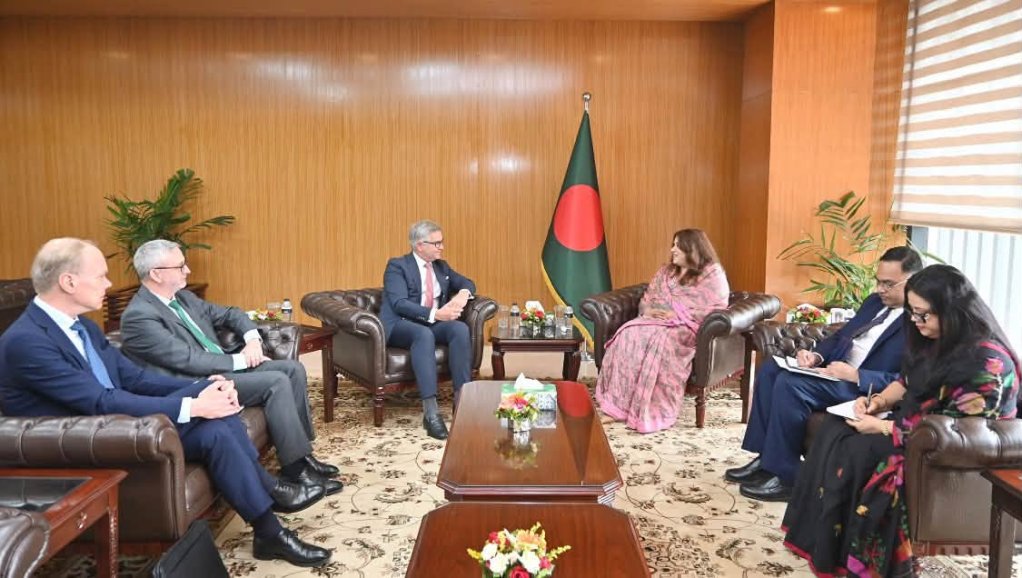
During the visit, both sides expressed support for reducing irregular migration to zero while expanding opportunities for skilled Bangladeshi workers to enter European labor markets through legal channels.
Brunner praised the strategic partnership and cooperation between the EU and Bangladesh. He said preventing human trafficking and closing irregular migration routes were priorities for both sides.
Reducing irregular migration could also make it easier for Bangladeshi workers to find legal routes into European labor markets, he added. Recently, Greece and Bangladesh have cooperated over increasing the use of already existing legal labor routes.
Read AlsoBangladesh-Libya-Italy migration route: 'An adaptive and organized route to Europe'