
Turkish migrants hoping to be granted asylum in Germany seem to have discovered an illegal loophole, abusing Turkey's increasingly restrictive political climate in the process. The report in a German newspaper comes as German Chancellor Friedrich Merz marked 65 years of migration between Turkey and Germany, formalized by the 'guest worker' agreements signed on October 30, 1961.
According to a report by Germany's weekly newspaper Die Zeit, there is a rise in the number of Turkish migrants coming to Germany and making apparently bogus claims to improve their chances of being granted asylum.
The report explains that certain smugglers may have been advising their irregular migrant clientele to post messages on their social media channels, which are critical of or insulting towards Turkish President Recep Tayyip Erdogan — in the hope of exploiting a major lese-majeste law in the country that makes insulting the leader a criminal offense.
The illegal scheme, according to reporting by Die Zeit, is designed to draw the attention of Turkish authorities so that prosecutors open a case against such individuals, which later is intended to be used as proof of them suffering 'persecution' in Turkey.
The report claims that corrupt government officials are now often in on the scheme, pocketing a share of the proceeds in order to speed up such false prosecutions in court.
Read AlsoGerman Parliament enacts law to combat fictitious paternities
Bribing Turkish officials to double down on fake prosecutions
Die Zeit explained that until recently, smugglers encouraging this kind of abuse of the asylum system had used fabricated evidence to get the asylum applications of their clients approved.
This included the use of fake print-outs from the online database of Turkey's justice ministry, where people who are under criminal investigation can be identified.
However, since German authorities have begun to cotton on to these methods, smuggling rings are reportedly resorting to more devious methods, even allegedly bribing some prosecutors in Turkey to push for these criminal prosecutions.
An expensive strategy of abuse and deceit
The people smugglers behind the scheme reportedly charge up to 800 euros to provide advice and guidance for their clients on how to potentially succeed with this illegal strategy.
Clients who seek to pay for a whole package — including a 'vetted' journey to Germany — are believed to have to pay up to ten times more, according to Die Zeit.
The daily German tabloid newspaper Bild described the overall tactic as "Turks purchasing [their own] criminal proceedings for German asylum" in its headline.

Read AlsoFalse migrant age claims skyrocketing in UK
German authorities growing more suspicious
While there is no information on the number of migrants who may be using this illegal route available, there are certain pointers suggesting a steady rise in such practices:
Migrant smugglers have been increasing the frequency of campaigns on digital platforms to attract prospective clients — including on TikTok and Telegram.
At the same time, there's been a decline in Turkish asylum applicants being granted protection in Germany, as authorities appear to be growing sceptical about asylum applications made by Turkish nationals.
Therefore, the illegal strategy could also endanger genuine applicants from Turkey, potentially creating distrust and blanket doubt about their intentions among officials processing their asylum claims.
In 2020, about 43 percent of all applicants in Turkey were ultimately granted asylum in Germany; by 2025, however, that number had plummeted to just under 12 percent.
Read AlsoGermany: Over 2,100 refugee cases under review after travels to home countries
Prospect of lengthy prison sentence in Turkey
The overall strategy is, however, designed to backfire, especially if applicants using this route later were hoping to return to Turkey for any reason — even if only for the funeral of a close family member.
They could be arrested upon landing at any Turkish airport if information about their status as a "criminal" is accessed at immigration control.
Under paragraph 299 of the Turkish penal code, lese-majeste laws can land people in prison for decades; they have increasingly been made use of over the years under the authoritarian leadership of President Erdogan.
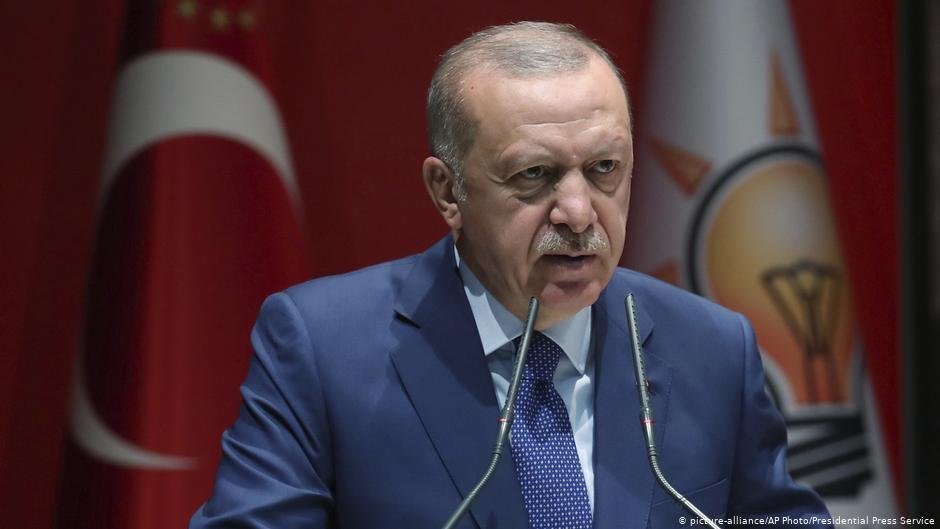
Earlier in the week, a Turkish student was given protection in Israel after being charged under that law; 28-year-old Turku Avci had merely contradicted Turkey's official position on the war in Gaza and expressed her support for Israel online, which was interpreted as an insult to the Turkish leader.
Earlier in October, a homeless man in southern Turkey "reportedly admitted insulting the president to get a place to sleep," Britain's Daily Telegraph newspaper reported.
In the past decade alone, Turkey has opened about 80,000 investigations using this paragraph of its legal code under Erdogan's leadership.
Left to be 'stateless'
Furthermore, there are also consequences for fake asylum seekers if German authorities were to find out about their potential deceit.
Their asylum status would be revoked, and criminal proceedings would be launched against them, which could also result in prison sentences.
In the worst case scenario, someone who intends to abuse the system this way can effectively end up being "stateless" — unable to return to Turkey, their original country of origin, while unrecognized as an asylum seeker in Germany.
They might be pegged for deportation but unable to be deported on account of now facing the real chance of being locked up.
As Germany and other EU countries are now exploring novel solutions in how to deal with failed asylum seekers who cannot be returned to their countries of origin, such a deceptive individual might even be sent to a third country under plans to establish so-called "return hubs" in places like Rwanda.
Read AlsoRwanda expected to become first host nation for EU migrant 'return hubs'
Rise also in genuine asylum cases from Turkey
Meanwhile, there is also a slight increase of genuine Turkish asylum seekers coming to Germany following the latest clampdown on civil liberties in Turkey last month.
While there are no official numbers available on such a reported increase yet, rights groups supporting the emigration of individuals who suffer repression and persecution in Turkey say there's been a noted rise in contact requests.
Read AlsoThe Netherlands: Video of asylum seeker being humiliated by guard sparks outrage
One of the organizations supporting individuals currently witnessing genuine persecution is Lubunya in Berlin; the Turkish LGBT advocacy group launched a fundraising event to support those who have been arrested in recent raids across the country.
"Eighty-two queer activists are currently known to be detained. For this fundraiser, we are raising funds for ten of them," the group states on its website.
"At a time when the queer scene in Turkey is facing repression, we want to come together, share a night, and remind each other that none of us are alone."
The group has also been sharing messages of encouragement on social media, stressing that guaranteeing freedom to LGBT individuals must be treated as a fundamental human right, and calling for "international attention" to remedy recent political trends in Turkey.
Read AlsoDutch government cracks down on Ugandan asylum seekers after 'fake' LGBT claims
Merz still believes in Turkish 'success story'
The news comes as the German government has been making moves to celebrate and mark 65 years of Turkish-German cross-cultural cooperation and work migration, via the 'guest worker' agreement signed on October 30, 1961.
At an event this week on October 20, German Chancellor Friedrich Merz said that the arrival of tens of thousands of Turkish nationals in the 1960s — referred to in Germany as 'guest workers' at the time — has over the years turned into a major success story of integration.
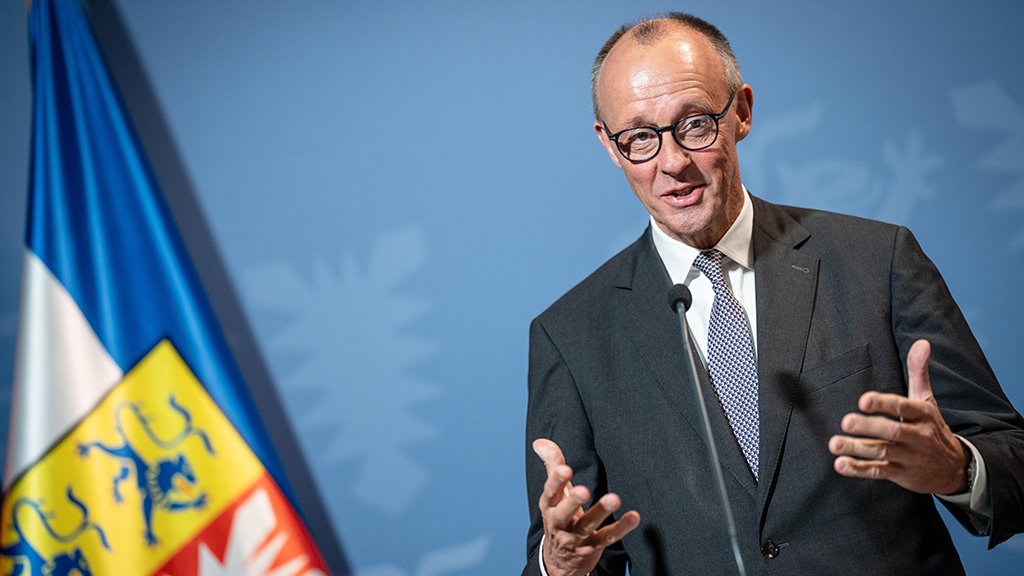
He acknowledged that xenophobic and racist undertones were "on the rise" in Germany, but said he wanted to stress that such sentiments were "poison to any free society."
"This is an attack on the modern German republic, which we have built alongside [Turkish nationals] in the course of the past 65 years," Merz said, while adding that this cooperation had served to enrich German society and culture, not least, he explained with a smile, on the culinary front. In fact the concept of "German Döner" has even been turned into a business exported far beyond Germany and Turkey's boundaries, including to the UK, Ireland, Sweden, the USA, Canada and the UAE.
Merz's more positive assessment of the situation regarding German-Turkish ties is somewhat in contrast to previous statements and pronuncements he has made about migration, both towards Germany and Europe as a whole. But perhaps his comments are a nod to the importance of the German-Turkish relationship, and the people who nourish it.
In 2025, Germany's Foreign Office stated: "Germany is Turkey’s most important trading partner and one of the country’s biggest foreign investors. In 2023, the volume of bilateral trade rose to a record new high of 55 billion euro. Compared to the previous year, Turkish imports from Germany increased by 13.8 percent to 30.7 billion euro and Turkish exports to Germany decreased by 1.8 percent to 24.3 billion euro. More than 8000 German companies and Turkish companies with German equity participation are active in Turkey."
In 2021 on the 60th anniversary, the Turkish government-affiliated YTB association in Germany, for Turkish people living abroad, claimed, "today [2021], Turks are active in 50 sectors in Germany and have created jobs for about 400,000 people. Annual turnover of their companies is about 50 billion euros. These companies play a contributing role in our economic and commercial relations with our biggest trade partner Germany, with whom we have a bilateral trade volume exceeding 30 billion euros."
However, in the face of surging support for the anti-immigrant far-right in Germany, attitudes regarding foreigners coming to Germany — using both legal and illegal means — are changing fast, threatening not only those who might potentially be trying to abuse the system.
Read AlsoGermany: Associations write open letter to government demanding asylum protections against AfD