
Advocacy groups in Germany are demanding extra safeguards to be introduced as the far-right Alternative for Germany (AfD) party looks poised to take control over a federal state for the first time. Various groups demand that the federal government in Berlin find a comprehensive strategy to protect migrant communities, as the anti-migrant AfD currently holds the mandate to form a state-level government in Saxony-Anhalt.
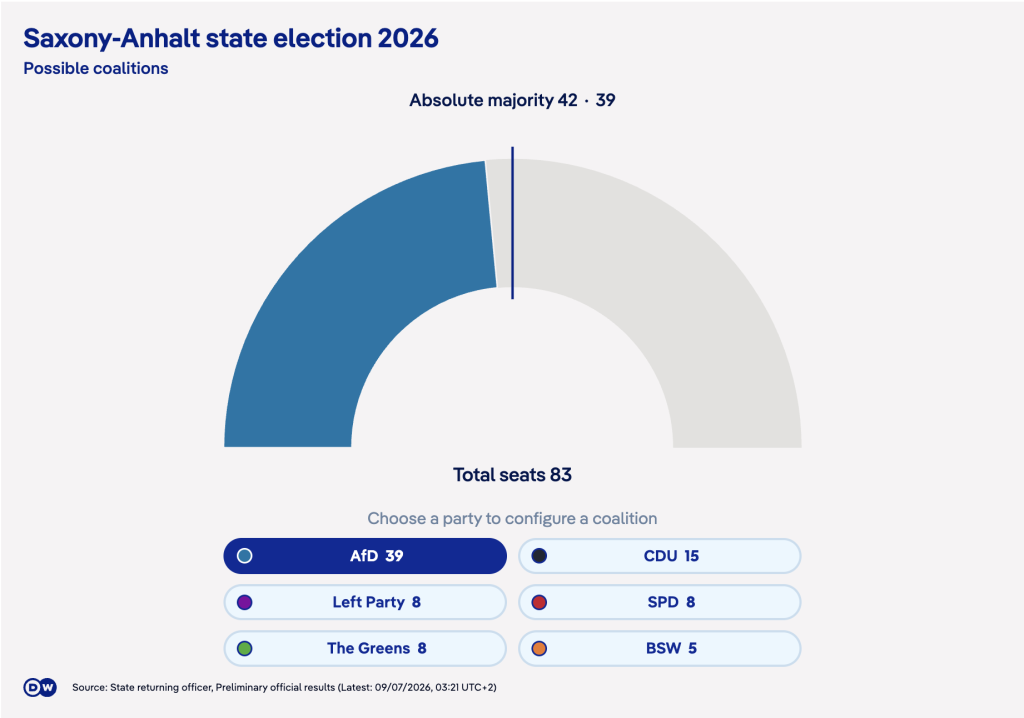
Last month, the AfD secured a landslide win in state elections in Saxony-Anhalt, falling just short of winning an outright majority.
Ongoing negotiations between the far-right party and the far-left Bündnis Sarah Wagenknecht party (BSW) could result in a coalition government, with the AfD becoming the senior partner.
Alternatively, there's also a chance that the AfD could lead a minority government, in which case all other parties would be able to block most motions tabled by the hard-right party.
Germany's mainstream political parties have consistently maintained a "firewall" policy against the AfD, refusing to form coalitions with the party.
Read AlsoAfter AfD's record result: Voices from Saxony-Anhalt
Talks between two extremes of the political spectrum
The political fate of Saxony-Anhalt hinges at the moment upon negotiations between the AfD and the BSW, as all other parties would not even be able to form a coalition together to take control over the state parliament, even if they could reconcile their political differences, which is questionable.
If the talks between the two far-right and far-left parties were to succeed, Germany would witness the establishment of the first far-right state government in Germany since the end of World War II and the end of the Nazi dictatorship under Adolf Hitler.
So far, the talks between the AfD and the BSW have not yielded any reliable results, despite both holding strong views against immigration.
Empty election promises
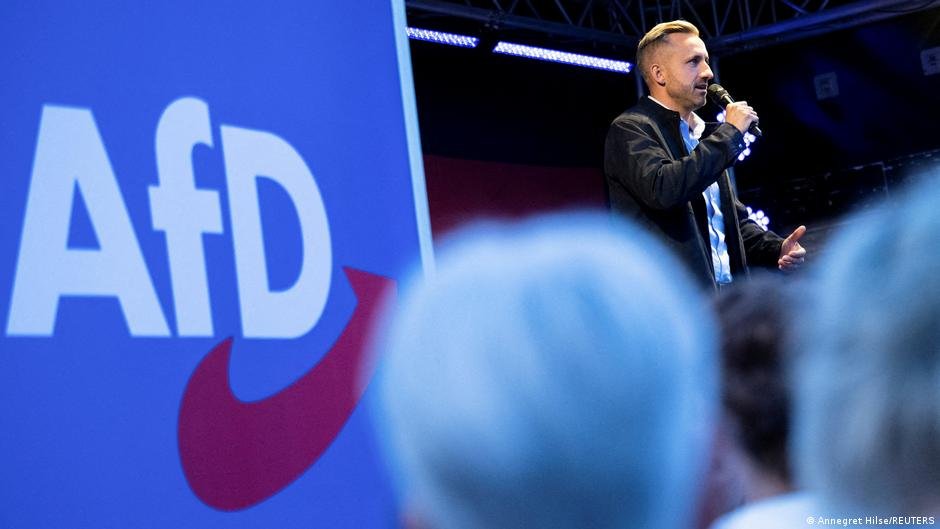
The AfD has vowed to implement aggressive deportation initiatives across Saxony-Anhalt if it were to take power, using this as one of its main campaign pledges.
In practice, this would be impossible at a grand scale, as Germany's 16 state governments do not hold any power over migration-related matters; immigration remains under the exclusive jurisdiction of the federal government in Berlin.
At the same time, however, Germany's current asylum system mandates that asylum seekers and confirmed refugees remain anchored to the specific state where their application was originally processed, which could result in tweaks and changes affecting groups who escaped persecution and violence in their home countries.
Read AlsoAnalysis: The legal limits of an AfD government in Saxony-Anhalt
Worry about federal elections
There also is concern from some quarters that the AfD win in Saxony-Anhalt could embolden voters to support the far-right party in the next federal-level elections — especially as the coalition government in Berlin could fall apart as a result of various disagreements, which could result in elections even sooner than expected.
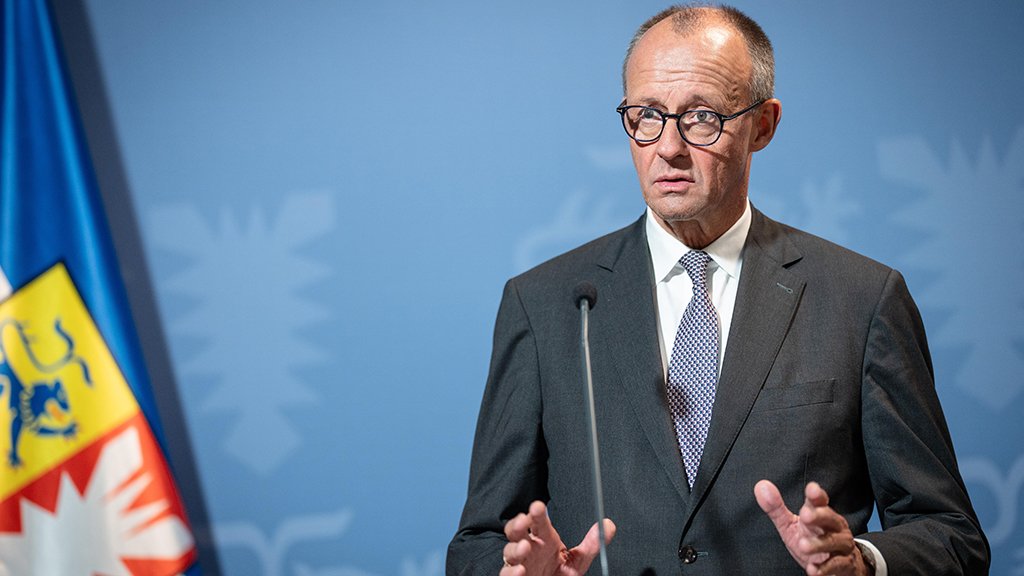
The AfD is already the second-strongest party in Berlin, holding 152 seats in the Bundestag, the lower house of parliament — only a quarter behind Chancellor Friedrich Merz's Christian Democrats/Christian Socialists Union (CDU/CSU) 208 seats.
The next federal elections are scheduled for early 2029, unless infighting in the Bundestag results in early elections needing to be called.
Read AlsoGermany: Major concern about migrant exodus and its effect on the job market
Open letter to federal government
Against this backdrop, a group of advocacy groups have penned an open letter to authorities in Berlin, expressing their fears over the rise of the AfD.
The signatories of the letter include representatives of the Turkish Community in Germany, the Federal Conference of Migrant Women's Organizations (BKMO), the umbrella organization of migrant women's organizations in eastern Germany (DaMOst), and the State Network of Migrant Women's Organizations in Saxony-Anhalt (LAMSA).
The document warns that Muslims, Jews, and LGBTQ+ individuals and other marginalized groups have already experienced an alarming surge in hostility and hatred since the Saxony-Anhalt election.
Read AlsoWhat does Saxony-Anhalt's election mean for migrants?
'Who will protect us?'
Mehtap Caglar, the national chairwoman of the Turkish Community in Germany organization, warned that "in Saxony-Anhalt, a party that has been definitively classified as far-right could have a say in police matters.This leads many to ask: Who will protect us if those who are supposed to protect us don't want to?"
According to LAMSA, there have already been 85 distinct incidents of racist threats in Saxony-Anhalt to date this year — more than the total number for all of 2025.

The four associations that signed the open letter said they expect "a response within 14 days."
An official spokesperson commented that "the government will certainly address this issue."
Calls for legal changes to protect people fleeing persecution
The signatories have explicitly petitioned for Chancellor Friedrich Merz and regional state premiers to form a dedicated federal commission tasked with assessing and addressing the specific dangers that an AfD-led administration would pose for minorities, with an emphasis on establishing proactive legal countermeasures.
The groups petitioning for these safeguards are especially advocating a change in law that would take away exclusive state control over where asylum seekers need to anchored — after the AfD's landslide win in Saxony-Anhalt.
They say that asylum seekers should be granted the legal right to relocate to other federal states if they face a credible threat of racist violence.
Read AlsoWhat would the AfD change in Saxony-Anhalt?
with dpa, EPD, AFP