
An unspecified number of migrants remain missing off the Gambian coast, after a migrant boat was shipwrecked off the Gambian coast on October 15. Thus far, 12 bodies have been recovered from the site of the incident.
According to the Red Cross in The Gambia, the migrant boat departed from the northern village of Ginak Kajata near Senegal.
"The number of missing remains unclear. Further information is expected as rescue operations continue," the Red Cross said in a statement.
According to the AFP news agency, the area has turned into a frequent point of departure for migrants from throughout the region.
Last December, more than 40 people were confirmed to have been killed in a similar incident in the same region, and many remain missing to date.
Read AlsoGambian authorities intercept more than 780 migrants headed to Europe
Young migrants risk life and limb to reach EU
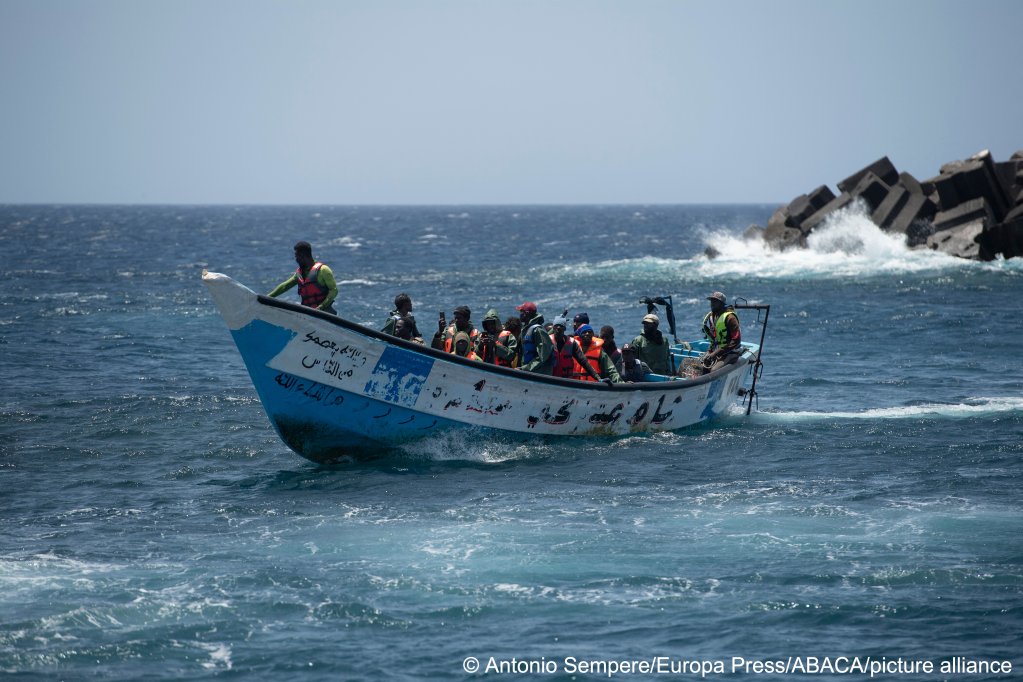
Migrants departing from the West African coast typically set sail across the Atlantic in the hope of reaching Spain's Canary Islands, which are part of the European Union, despite geographically belonging to Africa.
The journey to the archipelago can take many days or even weeks, during which migrants have to get by on extremely limited provisions; according to various charities, the majority of these sea migrants are young people who, in many cases, are under the age of 18.
Read AlsoCanary Islands: Migrant arrivals down over 80 percent in first quarter of 2026
Strong winds and currents off the African coast make these journeys particularly dangerous in addition to the fact that most of the small wooden vessels used for these irregular crossings are overloaded and unfit to embark on such lengthy sea journeys.
According to the migrant charity Caminando Fronteras, there have already been over 1,300 migrant deaths and disappearances on this route alone between January and May this year, compared to roughly 3,900 fatalities in 2025.
These numbers both mark a dramatic number from 2024, when over 10,000 people were estimated to have died on this migrant route, according to the charity. The Atlantic route is frequently referred to as one of the most dangerous in the world.
That same year, migrant arrivals on the Canary Islands peaked at 46,000, prompting the Spanish government to take drastic action to reduce the numbers of arrivals.
Read AlsoUN: Most migrant children arriving in Europe are unaccompanied minors
West Africa: Departure points located further and further south
Increasingly, beefed-up patrols throughout the region — funded mostly by the Spanish government and also by the EU — now also mean that fewer migrants actually succeed with the dangerous undertaking of journeying to the island group.
To circumvent these additional maritime patrols off the coasts of countries including Morocco, Mauritania and Senegal, migrants and their smugglers have resorted to embarking on irregular journeys from departure points which are increasingly located farther south on the African coastline, according to the UN Migration Agency IOM.
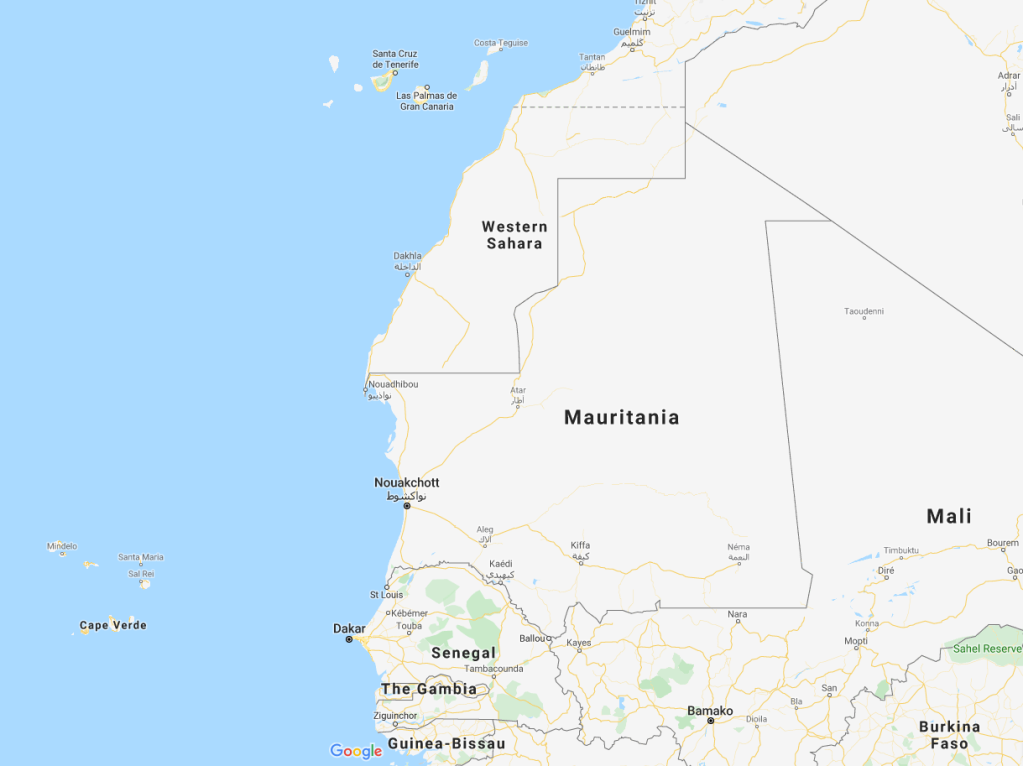
The distance from The Gambia to the Canaries alone, for example, measures well over 1,500 kilometers, with other points of departure further south, such as Guinea, measuring a distance of more than 2,000 kilometers.
Read AlsoMigrants from Africa brave deadly Canary Islands crossing
with AFP