
Spanish police have arrested 45 people in Ceuta over the alleged use of third-party identity documents to attempt to board ferries to mainland Spain, as the enclave continues to grapple with the aftermath of July's mass migrant crossings.
The Spanish national police have arrested 40 foreign nationals in Ceuta on suspicion of trying to board ferries to Algeciras using identity documents belonging to other people. Five further people have been detained for allegedly supplying the documents, which migrants are said to have paid up to 6,000 euros to use.
The operation forms part of the enhanced policing deployment in the Spanish North African enclave following the mass entries of July 30 and 31, 2026, when tens of thousands of people crossed into Ceuta from Morocco. Estimates cited in subsequent reporting and EU analysis range from roughly 49,000 to 80,000 arrivals, underlining the scale of the pressure on local reception and border systems.
Officers began the inquiry at the Port of Ceuta during identity checks on passengers preparing to travel to the mainland. They noticed that several travelers' physical features did not match the photographs on the national identity cards they presented.
After further checks, police concluded that the documents belonged to third parties and were being used fraudulently to impersonate their holders and evade port controls. Investigators also found that the same documents had been reused by different people on separate ferry journeys.
Read AlsoCeuta: Allegations of excessive force used against migrants
Police link to organized networks
The National Police said the growing use of third-party identity documents coincided with an increase in reports of stolen or lost identity and travel documents in Ceuta, particularly involving EU citizens.
According to the police, the repeated circulation of the same documents across multiple journeys has produced indications of the "possible" existence of organized criminal networks facilitating irregular migration from Ceuta to mainland Spain. The force has not publicly said that all 45 detainees were members of a single network, and the alleged suppliers' alleged role remains subject to investigation.
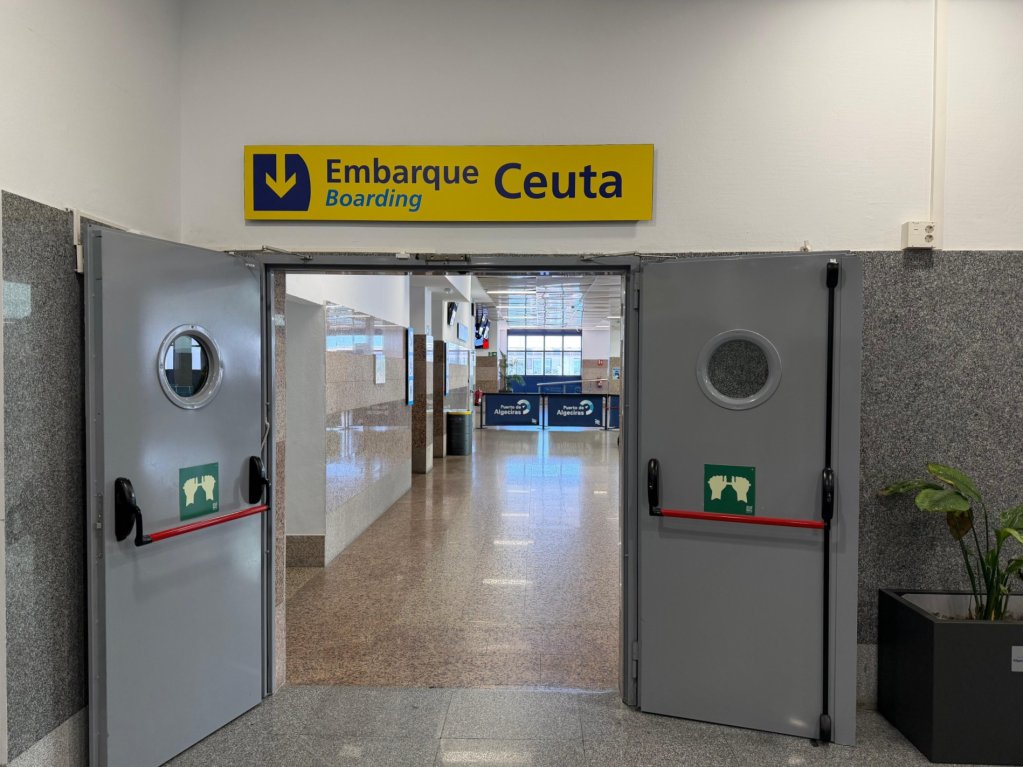
Spanish media reported that in response, police have reinforced controls at the Port of Ceuta with personnel from Punto Atenas, the National Police’s central document verification office. The unit sits within UCRIF (Unidad Central de Redes de Inmigración Ilegal y Falsedades Documentales), the force’s specialized investigative unit against irregular immigration networks and document fraud, and provides rapid checks when officers encounter documents showing signs of forgery or questionable authenticity.
Where suspicions are confirmed, Punto Atenas specialists prepare digitally signed technical reports that can be added to police proceedings. The operation was coordinated among units deployed on the Andalusian coast and at central level, working with the Prosecutor’s Office.
Read AlsoCeuta: Additional 45.3 million euros allocated to deal with aftermath of migrant arrivals
Ongoing pressure
Ceuta remains under acute pressure more than two months after the July mass crossings, with an estimated 15,000 migrants still in the city, including minors reportedly sleeping rough or in inadequate conditions. King Felipe VI’s visit sought to reaffirm Spanish sovereignty and European solidarity -- declaring that "Ceuta is Spain" and that its frontier is a European border -- while also urging that those who remain be treated with respect.

Yet the visit also exposed unresolved tensions at the heart of the crisis. Local leaders are demanding expulsions, allegations of mistreatment by Spanish forces remain under investigation, and relations with Morocco are still strained amid disputes over Rabat’s knowledge of, and response to, the crossings. The situation has become both a humanitarian emergency and a highly charged political and diplomatic test for Spain, Morocco and the European Union.
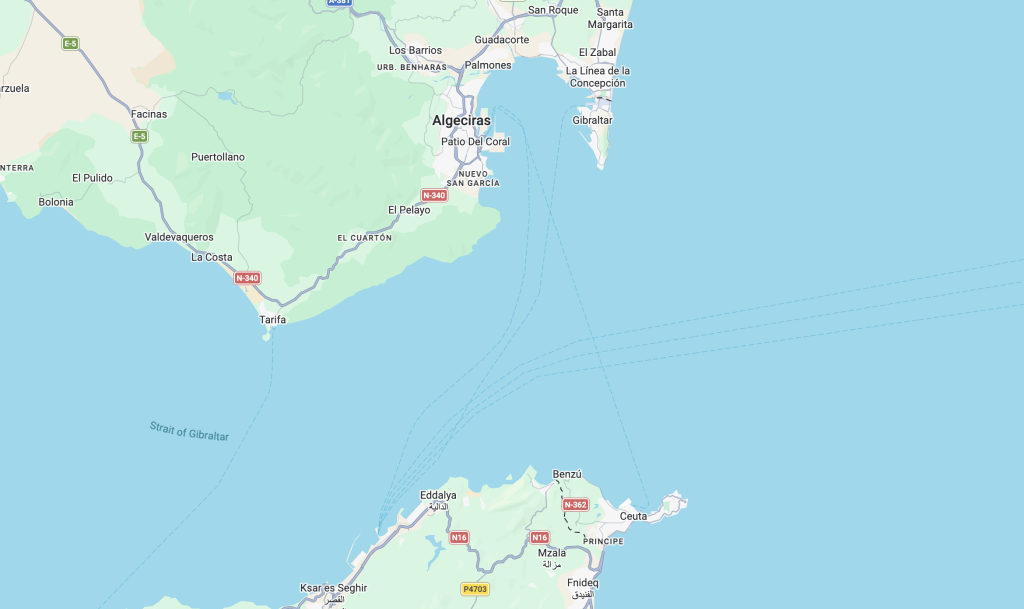
It is against this backdrop that the latest arrests point to a shift in Spain’s response. As Spain and Italy move to end reciprocal border checks introduced after the late-July crossings, police are focusing on the routes out of Ceuta -- especially ferry travel to Algeciras, the main maritime gateway to mainland Spain.
Spain’s border measures, notified to the European Commission, are due to remain in force until at least October 22, while Italy has announced a final seven-day extension until October 23. Together, the enforcement operation and the winding down of emergency controls illustrate how the aftermath of the July crisis is moving from emergency border management to longer-term policing of Ceuta's exit routes.
Read AlsoCeuta: Royal visit and on-going crisis underscore social fractures in inter-racial communities
With AP