
Bangladesh’s ambassador to Greece says visa barriers, limited public awareness and recruitment difficulties are preventing a 2022 labor agreement from reaching its target of 4,000 workers a year. Authorities in Bangladesh's capital Dhaka are seeking changes to the visa process and closer cooperation with Greek employers.
Fewer than 500 Bangladeshi workers are estimated to have arrived legally in Greece since a bilateral labor mobility agreement came into force, despite provisions allowing up to 4,000 workers to enter the country annually, Bangladesh’s ambassador to Greece has told InfoMigrants.
In an emailed interview answered on October 13, 2026, Nahida Rahman Shumona said the agreement signed between Athens and Dhaka in 2022 remained in force, but practical obstacles were preventing more Bangladeshis from benefiting from it.
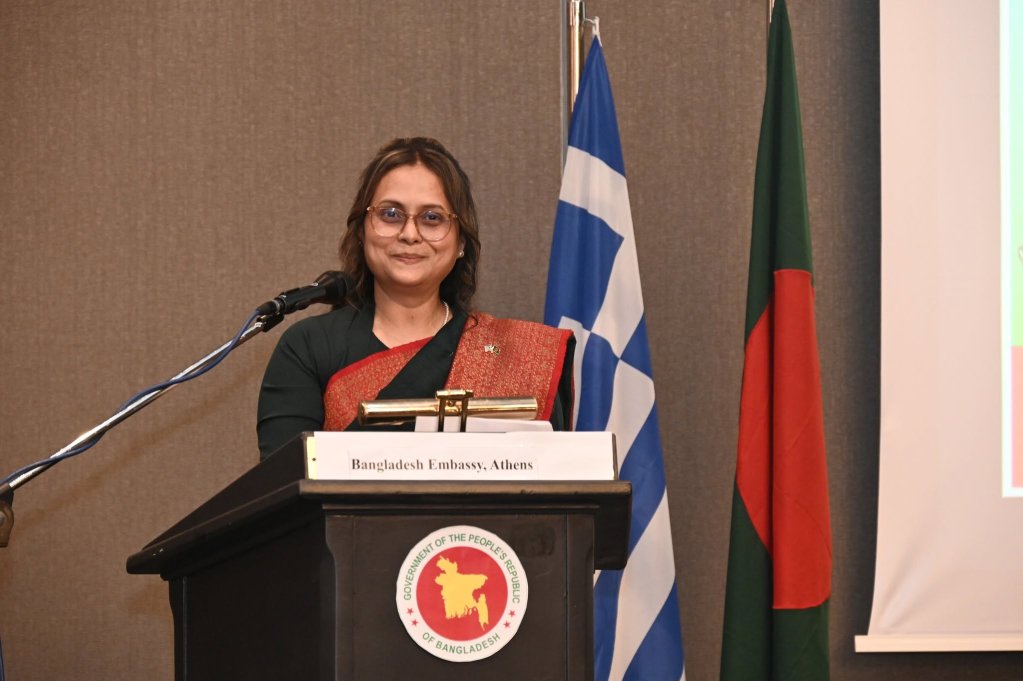
"We do not know the actual number of workers from Bangladesh who entered Greece after the MOU entered into force," Shumona said.
She added that, based on services provided by the embassy to workers who said they had arrived after 2023, she estimated that "less than 500 Bangladeshi workers arrived in Greece legally."
The agreement covers two main areas: the regularization of certain undocumented Bangladeshis already living in Greece and the admission of seasonal workers through legal recruitment channels.
While the regularization process has enabled thousands of Bangladeshis to obtain legal status, the recruitment of new workers has encountered significant difficulties.
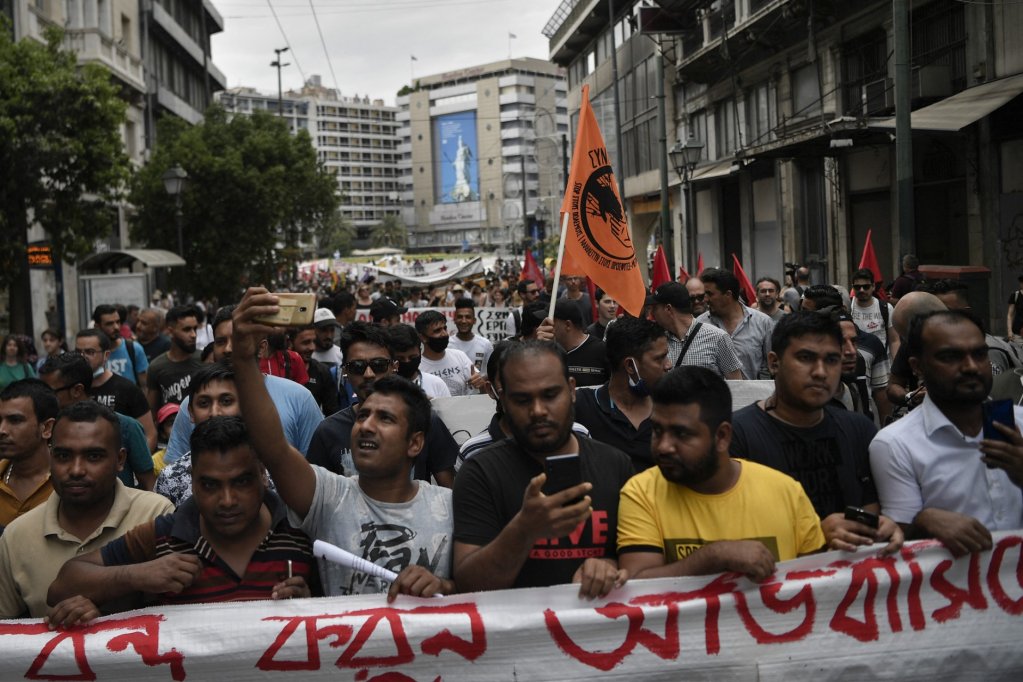
Visa procedures create a major obstacle
One of the main barriers is the requirement for Bangladeshi applicants to travel to New Delhi, India, for an in-person Greek visa interview.
Before attending the interview, applicants must secure a work contract from a Greek employer. They must also submit a valid passport, a completed visa application form, a police clearance certificate from Bangladesh and proof of payment of the visa fee.
Applicants additionally need a visa to travel to India, a requirement that has become particularly difficult to meet.
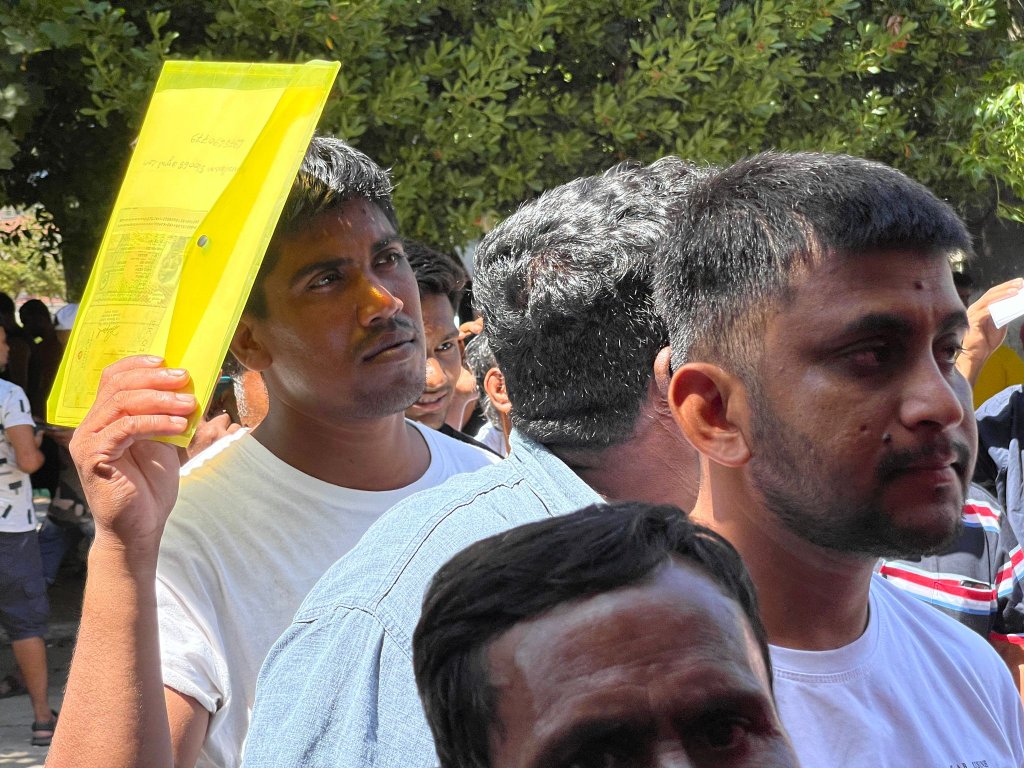
"Since the July Revolution in Bangladesh, getting an Indian visa is very difficult," Shumona said, referring to the political changes in Bangladesh in July and August 2024.
As a result, some applicants receive invitations for Greek visa interviews but cannot travel to New Delhi to attend them.
The ambassador said the complex procedures and tight deadlines for matching workers with employers also discouraged some Bangladeshis from pursuing the official recruitment route.
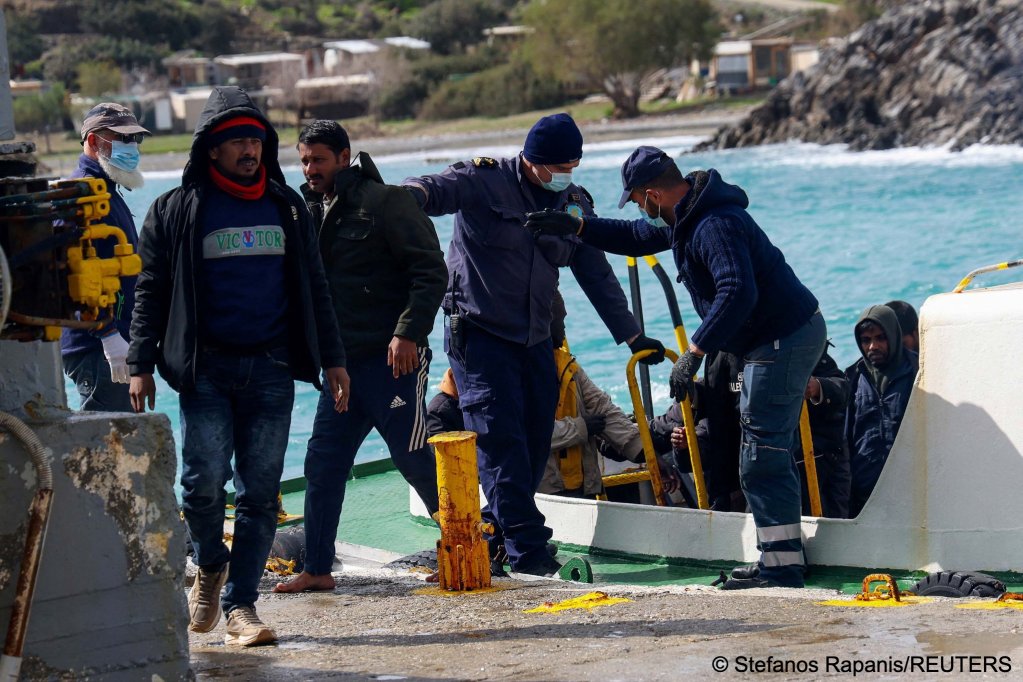
Some instead turn to acquaintances already living in Greece, while others risk irregular journeys by sea.
"They turn to their acquaintances living in Greece and get lured by traffickers to take the dangerous sea route," she said.
Bangladesh seeks alternative visa arrangements
Authorities in Dhaka have raised the difficulties faced by Bangladeshi applicants with the Greek authorities and they are exploring alternatives to the current visa procedure.
According to Shumona, discussions have included the possibility of allowing applicants to submit their documents at alternative locations or attend virtual interviews.
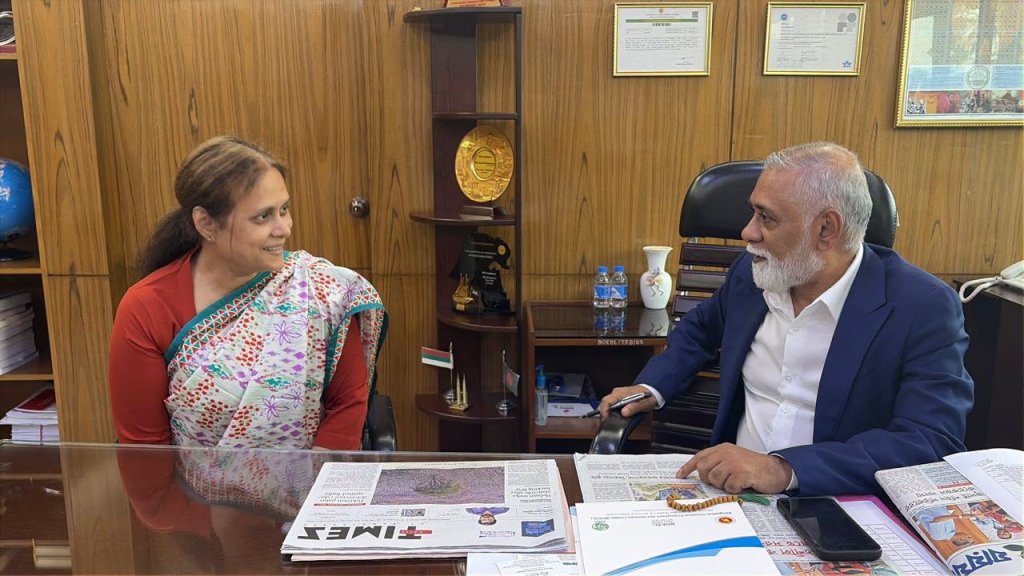
Bangladesh has also proposed that visa applications under the agreement be handled through a state-run agency, such as the Bangladesh Overseas Employment and Services Limited (BOESL), which could act as a central channel for applicants. In August, Ambassador Shumona paid a visit to the BOESL offices and met with their managing director Mohammad Rashedul Haque.
The Greek authorities have been informed of the proposal, and technical options are being examined, she said.
However, any changes would require adjustments to Greece’s consular and visa-processing arrangements.
The ambassador said the issue had been recognised by Greece’s Ministry of Migration and Asylum. No final public decision has been announced, and there is no publicly confirmed timeline for resolving the difficulties.
"Progress is incremental but real," Shumona said, adding that both sides understood that facilitating visas is essential for the agreement to reach its full potential.
Limited awareness and recruitment difficulties
Visa procedures are not the only obstacle preventing the agreement from being fully implemented.
Shumona said public awareness of the legal route to employment in Greece remained limited in Bangladesh. Many potential applicants lack clear information about application procedures, costs and timelines.
Greek employers were also not always familiar with the bilateral scheme or prepared to use it.
In rural parts of Greece, some employers preferred to recruit Bangladeshi workers through personal acquaintances rather than through the official bilateral channel, she said.
Documentation and eligibility requirements could also be difficult for applicants to obtain and manage.

"These are practical not political obstacles and we are working to streamline them," the ambassador said.
Bangladesh is seeking to publicise the agreement and bring BOESL and Greek employers together to improve recruitment through official channels.
Shumona acknowledged that the annual provision of 4,000 workers represented a substantial target for Bangladesh.
The aim, she said, is to increase the number of workers gradually as visa arrangements improve, more employers participate and recruitment procedures become more accessible.
Rather than setting a fixed deadline for reaching the quota, the focus is on building a transparent system that can sustainably increase legal arrivals in the coming years.
Agreement could be renewed and expanded
Agriculture remains the main sector for seasonal workers recruited under the agreement, reflecting Greece’s demand for labor during harvesting and related activities.
However, the framework is not restricted to agriculture.
According to Shumona, there is potential for recruitment in construction, tourism, hospitality and certain services, provided employers in those sectors choose to recruit through the bilateral channel.
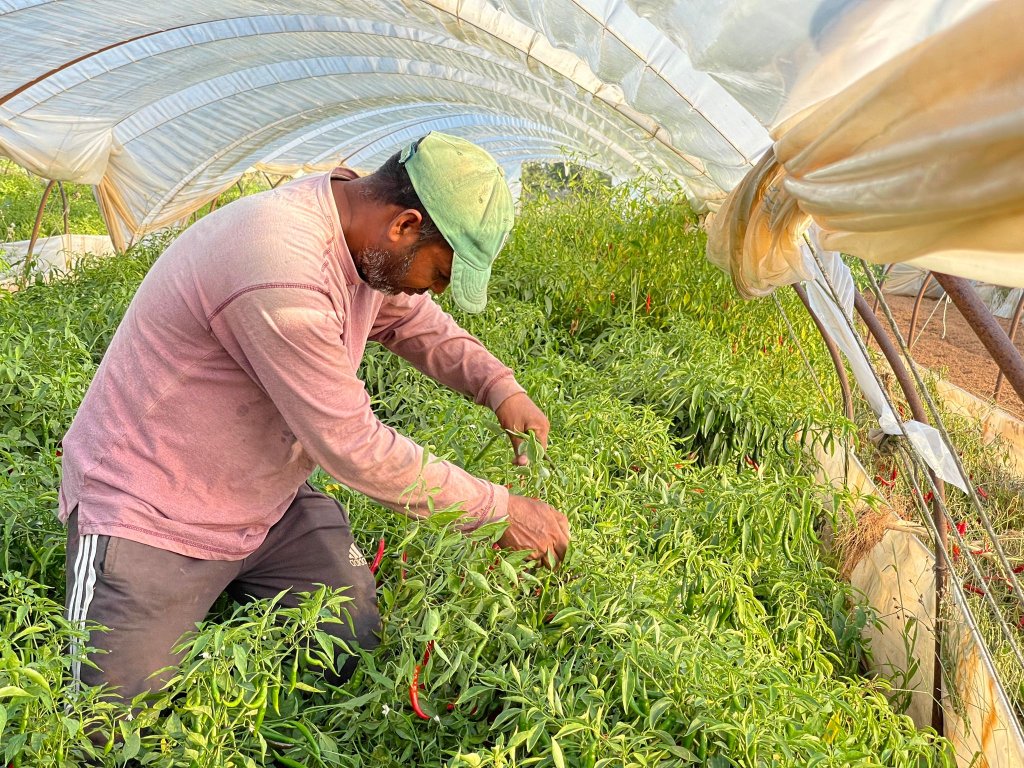
Bangladesh expects the agreement to continue and hopes it can be renewed and expanded.
"The agreement is in force and operational, covering both regularization of certain existing migrants and admission of seasonal workers," she said.
"We shall have to renew it and we shall try for expansion."
Bangladesh considers the agreement strategically important and is discussing practical improvements, particularly in visa facilitation, recruitment channels and outreach to employers.
The ambassador said the priority was to ensure that the existing framework was used more effectively before the number of workers could be increased substantially.
Thousands regularized under the 2022 agreement
The difficulties in recruiting new workers contrast with the results of the agreement’s regularization component.
According to figures provided by Greece’s General Directorate of Immigration Policy of the Ministry of Migration and Asylum to InfoMigrants in February 2024, a total of 10,337 undocumented Bangladeshis applied for regularization in 2023.
Of those applicants, 3,405 obtained residence permits or legal status, while 1,009 applications were cancelled for various reasons.
A further 5,910 applications were pending at the time, with applicants awaiting confirmation from the Greek authorities following the initial stage of the procedure.
These figures describe the situation reported in early 2024 and should not be taken as an update on the current status of those applications.
Under the regularization scheme, applicants had to hold a Bangladeshi passport valid for at least two years, demonstrate that they had been living in Greece before February 9, 2022, and provide proof of employment if they wanted to retain their legal status.
Applicants first had to register with the Bangladesh Embassy in Athens before submitting an online application through the Greek government's website.
The scheme provided a route to legal residence for certain migrants already living in Greece without valid status.
For new arrivals, the agreement offers a different pathway: seasonal workers can enter with a pre-arranged employment contract, a defined period of employment and the rights associated with their status.
Shumona said many Bangladeshis already working in Greece had arrived through older, fragmented channels, sometimes irregularly, and faced more precarious legal and employment conditions.
By contrast, the bilateral framework is intended to provide a more structured route to recruitment and employment.
Protecting workers from fraud and exploitation
The ambassador said Bangladesh wanted to strengthen safeguards against recruitment fraud, exploitation and excessive fees.
One measure is to encourage the use of official recruitment channels, including BOESL, to reduce dependence on informal intermediaries.
Bangladesh is also seeking closer cooperation with Greek authorities on labor inspections and enforcement of employment contracts.
Awareness campaigns are another part of the proposed approach, with the aim of informing workers about their rights, legitimate recruitment costs and available complaint mechanisms.
"Our Embassy promotes safe, orderly and regular migration, which inherently requires strong protection against exploitation," Shumona said.
Bangladesh also favors more direct and transparent recruitment between workers and Greek employers.
According to the ambassador, official channels can help reduce the role of informal brokers, standardise fees and procedures, and ensure that job offers are verified and comply with the agreement.
Any move towards more direct recruitment would need to be developed jointly with Greece and remain within its legal framework.
'Use official channels'
- Shumona urged prospective migrants to obtain information through official sources and avoid agents promising quick visas or jobs without clear documentation.
- She advised Bangladeshis interested in working legally in Greece to use BOESL and the Bangladesh Embassy in Athens for information and registration.
- Applicants should avoid informal agents who promise quick visas or demand excessive fees, she said.
- She also urged prospective workers to follow the bilateral scheme and wait for official announcements about recruitment rounds and visa procedures rather than relying on rumors.
- For Bangladeshis already in Greece, the ambassador recommended staying in contact with the embassy and Greek authorities to understand their options for regularization and legal employment.
- The agreement offers a safer and more transparent route, with clearer employment arrangements and rights, she said.
- But making that route accessible to more workers will require practical changes.
Avoid the dangers
Although the legal framework allows up to 4,000 workers to enter Greece annually, the number of legal arrivals remains below 500 according to the ambassador's estimate.
Facilitating visa applications, improving public awareness and encouraging Greek employers to use official recruitment channels will be central to increasing participation.
No firm deadline has yet been announced for changing the visa procedures or reaching the annual quota.
Rights organizations have repeatedly warned that the lack of safe and legal routes forces migrants to resort to irregular journeys. In recent days, sea arrivals from Libya to Greece have risen sharply, with Bangladeshis among the nationalities reaching the country by sea.