
The United Kingdom has threatened to block all visas for Eritrean nationals unless authorities in Asmara rapidly agree to accept more returns of people with no right to remain in the UK.
Home Secretary Shabana Mahmood has threatened to block all visas for Eritrean nationals unless the country agrees to take back more citizens whose asylum claims were unsuccessful or have been convicted of crimes in Britain.
The warning comes after the UK government said Eritrea had "abruptly" withdrawn cooperation on returns earlier this year, following months of private efforts by London to resolve the dispute.
From Thursday (October 15), Eritrean VIPs and officials have lost fast-track access to UK visas, while Eritrean diplomats in London face restrictions on traveling more than 60 kilometers beyond the capital. The Home Office says these diplomatic travel restrictions mirror limits already imposed on British officials in Eritrea’s capital, Asmara.
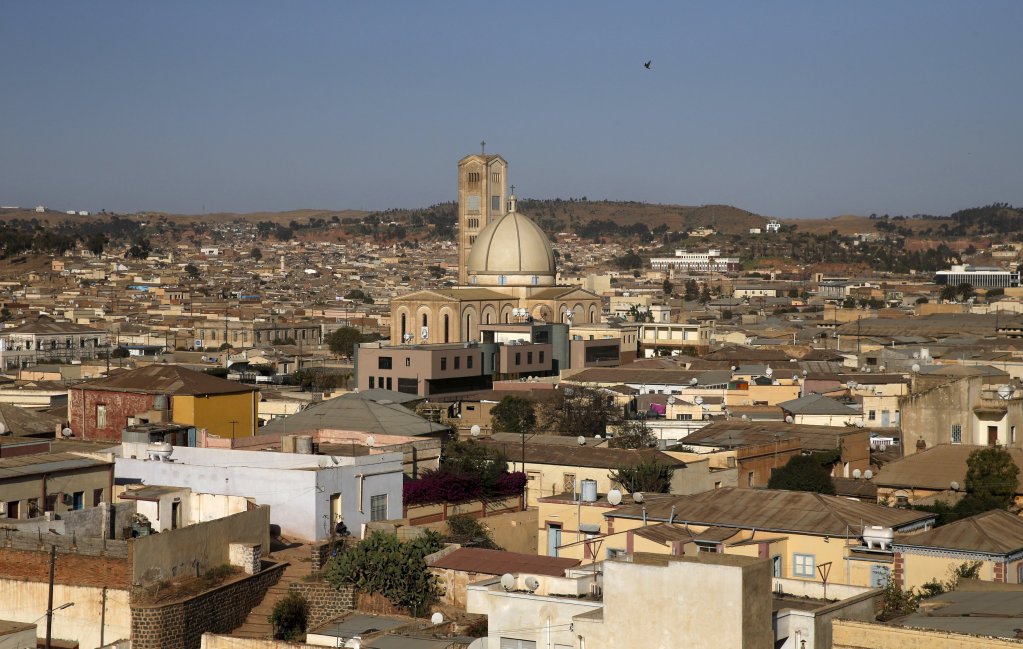
A limited returns arrangement had operated from 2024 until March 2026, under which Eritrea helped identify and document a small number of refused asylum seekers and foreign national offenders. The Home Office says Asmara must now rapidly improve cooperation on returns or face a "total visa shutdown."
"Eritrea has had every chance to accept the return of criminals and those with no right to be in the UK. Unlike other countries, it has refused," Mahmood said in a statement.
"My message to the Eritrean government is simple: take back your nationals or face a complete ban on your citizens entering the UK," she added.
Mahmood also warned that she would "not hesitate to impose further measures on other countries refusing to co-operate."
Read AlsoUK: Fenland residents challenge Home Office asylum relocation proposal
Largest group among small boat arrivals
Eritreans were the most common nationality among people arriving in the UK by small boat in the year ending June 2026. The Home Office says returns arrangements are key to removing people whose asylum claims have been unsuccessful and foreign nationals convicted of crimes.
But a full visa ban may have limited effect on removals. Eritreans accounted for 18 percent of people arriving by small boat in the year to June 2026 -- about 5,875 crossings -- and filed roughly 7,000 asylum applications, around eight percent of the UK total.
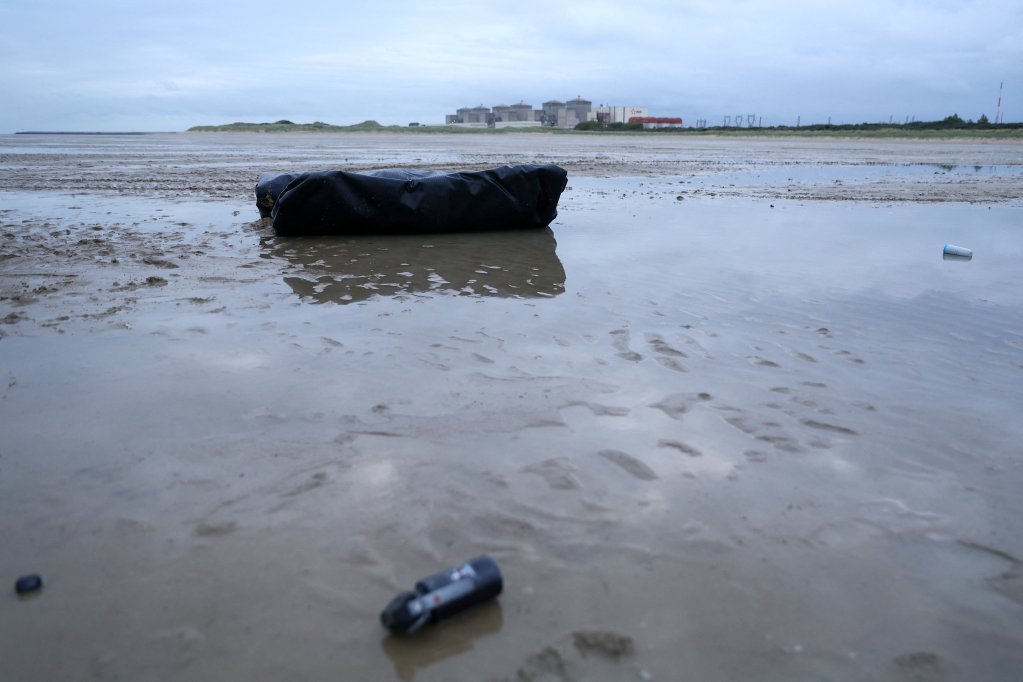
Dr Madeleine Sumption, director of the Migration Observatory at the University of Oxford, said 84 percent of Eritrean asylum claims decided at the initial stage were successful, with more expected to succeed on appeal. "Most Eritreans who come and claim asylum are not removable at all," she told BBC Radio 4's Today program. In the latest data year, about 1,400 Eritrean claims were initially refused, however some of those applicants may still succeed on appeal.
Removals have also been rare even among refused cases: of 2,626 Eritrean asylum claims rejected over the past four years, around 100 people were deported -- fewer than four percent.
Sumption noted that "different types of threats" could be made, "such as stopping student visas, or stopping visit visas," adding that it would be "interesting to see what kind of impact this has on the number of returns."
Read AlsoUK: Protests in Gosport as large group of intercepted migrants are brought ashore
Pressure on other states to cooperate
Eritrea is not the only country to face visa pressure from the UK government. In her first week in office, Mahmood vowed to impose visa penalties on countries refusing to take back their citizens. The Home Office says that all three countries which were subsequently threatened -- Angola, Namibia and the Democratic Republic of Congo -- chose to improve cooperation with the UK.
Angola and Namibia agreed enhanced returns arrangements after visa penalties were threatened last autumn. The DRC acted more slowly, leading the UK to impose visa measures; those restrictions were lifted after six months of sustained cooperation and the resumption of returns flights.
The UK is also expanding returns cooperation elsewhere. A new migration deal with Egypt is intended to cut the time needed to return Egyptian nationals with no right to remain in the UK by around 90 percent, from roughly 30 weeks to three weeks.
Why many Eritrean claims succeed
Many Eritrean asylum claims succeed because applicants often cite a well-founded fear of persecution or serious harm linked to Eritrea’s compulsory national service system and the treatment of those who leave the country irregularly and their families.
Under Eritrean law, national service is legally limited to 18 months, but the UK Home Office Guidance describes it as open-ended, coercive and marked by abuse and inhuman treatment. It has been likened to forced labor and slavery. Eritrea treats claiming asylum or refusing service as disloyalty or treason, and people perceived as draft evaders, deserters or irregular leavers may face a real risk of persecution or serious harm if returned.
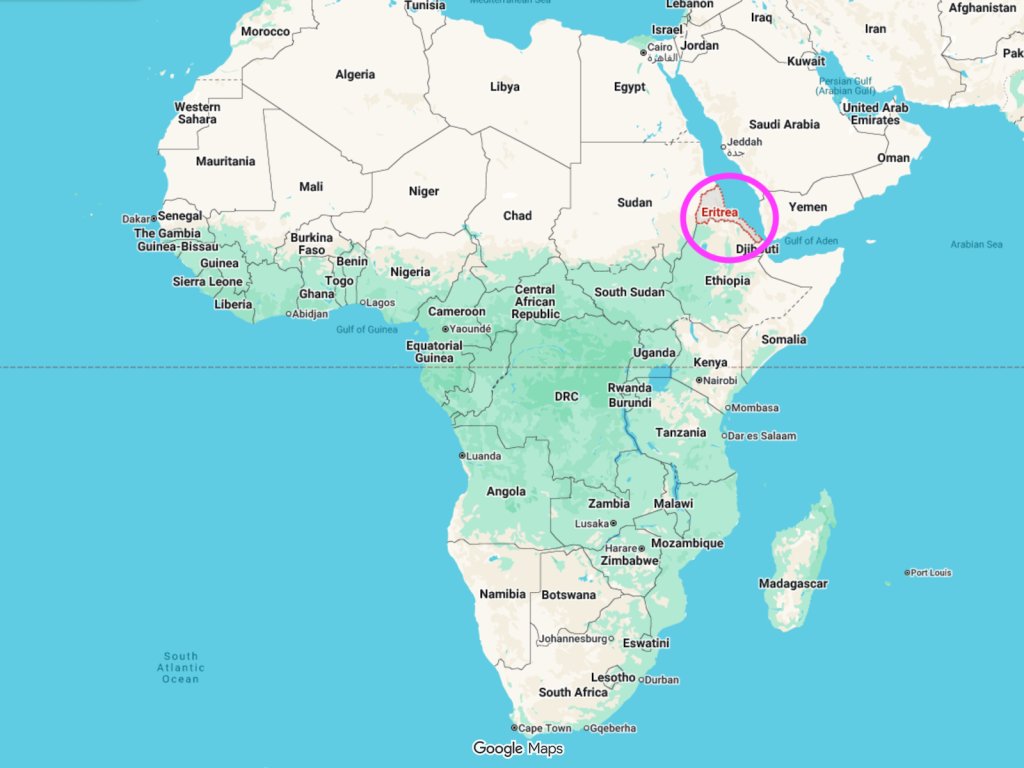
The Home Office says people who fear persecution by the state will generally be unable to obtain protection from Eritrean authorities, while internal relocation is not usually a reasonable alternative. Each claim must still be assessed individually, with the applicant bearing the burden of proving a real risk of persecution or serious harm.
Eritrea's wider human rights situation provides important context for many asylum claims. Human Rights Watch says the government maintains an "iron grip" on the population, restricts freedom of expression, religion and opinion, and forces much of the adult population into indefinite military or national service. It reports that service can last years or decades, with low pay, arbitrary punishments and abuses amounting to torture.
UN experts have also documented enforced disappearance, prolonged incommunicado detention without charge or trial, torture, and persecution of political opponents, journalists and religious communities. Human Rights Watch estimates that more than 10,000 people remain arbitrarily detained.
Read AlsoA culture of systemic abuse: Eritrean migrants recount violence in Libyan detention centers
Increased tension in Eritrea conflict
Campaigners and migration experts warn that broad visa restrictions risk affecting people fleeing repression, rather than only the small group the government says it wants to remove.
Eritrea is a one-party state that has never held elections since independence from Ethiopia in 1993 and it has no independent media.
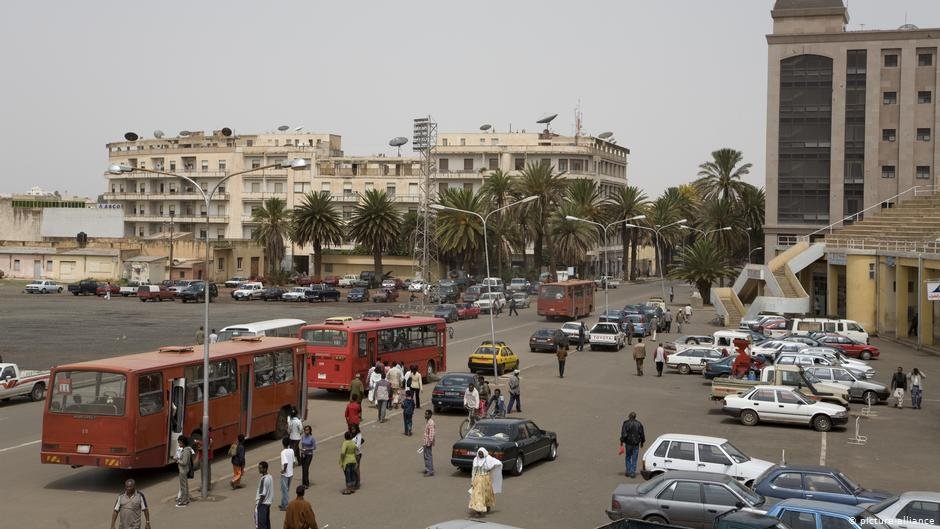
The ultimatum also comes at a moment of acute regional tension. Fighting in Ethiopia’s Tigray region has drawn Eritrean forces back towards the border, and Ethiopia and Eritrea severed diplomatic ties on October 1, after Ethiopia closed its embassy in Asmara and expelled ten Eritrean diplomats.
Ethiopia accuses Asmara of backing the Tigray People’s Liberation Front, while Eritrea denies the allegations, saying reports that Ethiopian troops crossed into its territory were "absolutely false," and accuses Ethiopia of seeking to seize its Red Sea port of Assab. US Secretary of State Marco Rubio has urged both sides to de-escalate and respect territorial integrity.
Visa policy as migration strategy
The UK’s approach shows how visa policy is becoming a central tool in its migration strategy. It may work where governments are willing to negotiate, as the Home Office says happened with Angola, Namibia and the DRC.
Eritrea presents a more difficult test: its government is isolated, its relationship with Ethiopia has collapsed, and many Eritrean applicants are granted protection at the initial decision stage, and more may succeed on appeal. A threat aimed at forcing returns could therefore have limited effect on actual removals, while affecting a broader group of Eritreans seeking to travel to the UK.
It also raises questions about how far visa sanctions can address the small number of refused claims that may ultimately lead to removal. The security, political and human rights situation in Eritrea remains central to many asylum claims, and refugee organizations argue that broad measures risk affecting people who may have strong protection needs, rather than only those whose claims have been unsuccessful.
Whether the threat encourages Eritrea to resume cooperation -- or leads to a full visa ban -- will test the limits of visa policy as a means of securing returns from a state with little apparent incentive to compromise.
Read AlsoUK Home Secretary signals intention to offer more safe and legal routes to migrants
With AFP