
Spanish police have cleared the last major makeshift migrant camp in Spain's Ceuta enclave ahead of a visit by King Felipe, which comes on the heels of reports of abuse, unsafe living conditions, and mistreatment of migrants. The clearances have reportedly left hundreds of vulnerable migrants and unaccompanied minors on the streets.
Spanish police on Sunday (October 11) cleared the last major makeshift migrant encampment in Spain's Ceuta enclave, news agency AFP reported on the same day.
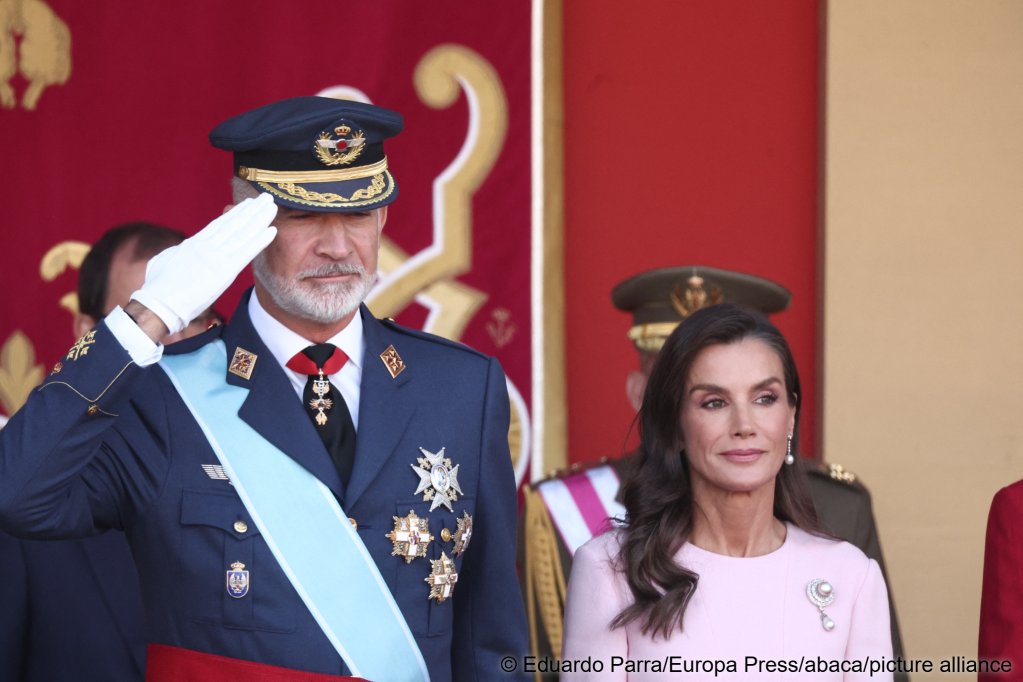
The clearance comes over ten weeks after the mass arrival of migrants from neighboring Morocco, and just two days ahead of an official visit by Spain's King Felipe VI and Queen Letizia, according to AFP reporters and the Spanish interior ministry.
While most migrants returned to Morocco within days following the mass arrival in late July, thousands were left stranded in Ceuta, sleeping on beaches and in public spaces as well as forming makeshift camps.
Read AlsoCeuta: Government accelerates clearances, transfers and returns
According to AFP, the Sunday morning operation, which took place at the El Guano esplanade, involved over 350 police officers and military personnel who transferred migrants onto buses headed to official temporary reception centers for processing.
At the same time, sanitation workers reportedly dismantled the remaining tents. Some migrants escaped into surrounding hills to evade authorities.
The clearance marks the fifth major operation in recent weeks intended to clear public spaces before the royal visit to Ceuta and Melilla.
First royal visit since 2007
The visit is the first by Spanish monarchs since 2007. That visit is reported to have raised diplomatic tensions with Morocco, which claims sovereignty over both Ceuta and Melilla, Spain's two autonomous cities in northern Africa that both border Morocco.
Meanwhile, Spanish opposition leaders continue to criticize Prime Minister Pedro Sánchez's administration for its handling of the humanitarian crisis, and more broadly for his migration policy.
Over 70,000 mostly male migrants reportedly swam from Morocco to Ceuta or climbed over border fences on July 30 and 31. Around 100 reportedly died. Most migrants who managed to enter the Spanish enclave returned immediately.
However, the migrants' presence not only severely stretched local infrastructure and prompted unrest, it also became a significant source of political tension in Spain and alarmed EU officials.
Minors left stranded on streets
Against that backdrop, unaccompanied youth who entered Ceuta during the mass border crossing reportedly face severe delays in accessing protection.
Hundreds remain sleeping rough across the enclave, relying on informal shelters, makeshift camps, and support from local residents, according to the Associated Press (AP) news agency.
A 17-year-old Moroccan teenager told AP he expected to find shelter within weeks after crossing into Ceuta.
Instead, he spent months sleeping in cars and on the streets. "People tried to rob me twice and hit me," he said, explaining that returning to Morocco is not an option despite the hardship. "Morocco is a good tourist place, but it's not a good place to be a citizen."
Disagreements between Spain's central government and local authorities in Ceuta have complicated the response, according to AP. While national officials insist unaccompanied minors are entitled to protection, city authorities argue local facilities are completely overwhelmed and have pushed to deport Moroccan minors, many of whom have families in Morocco.
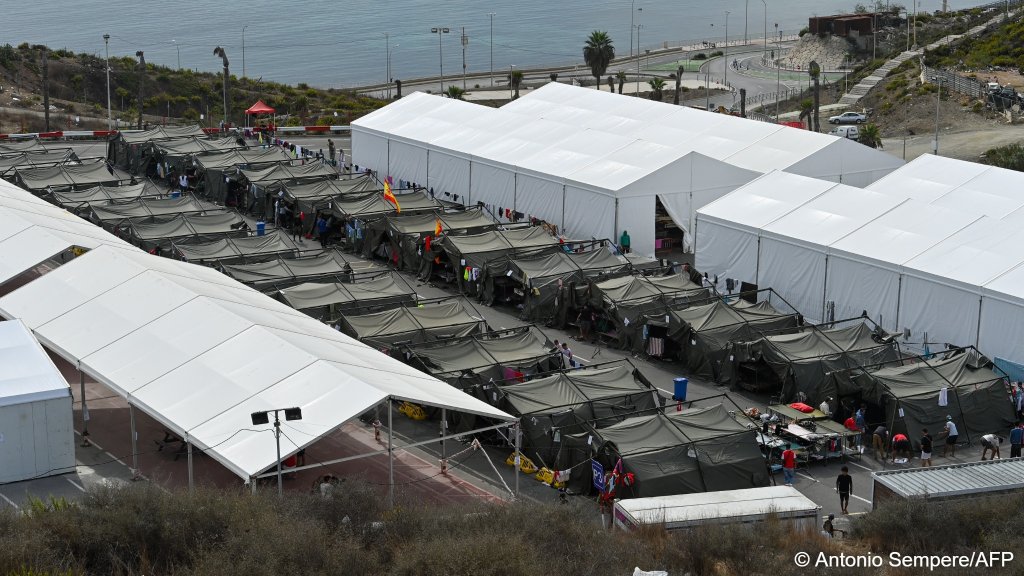
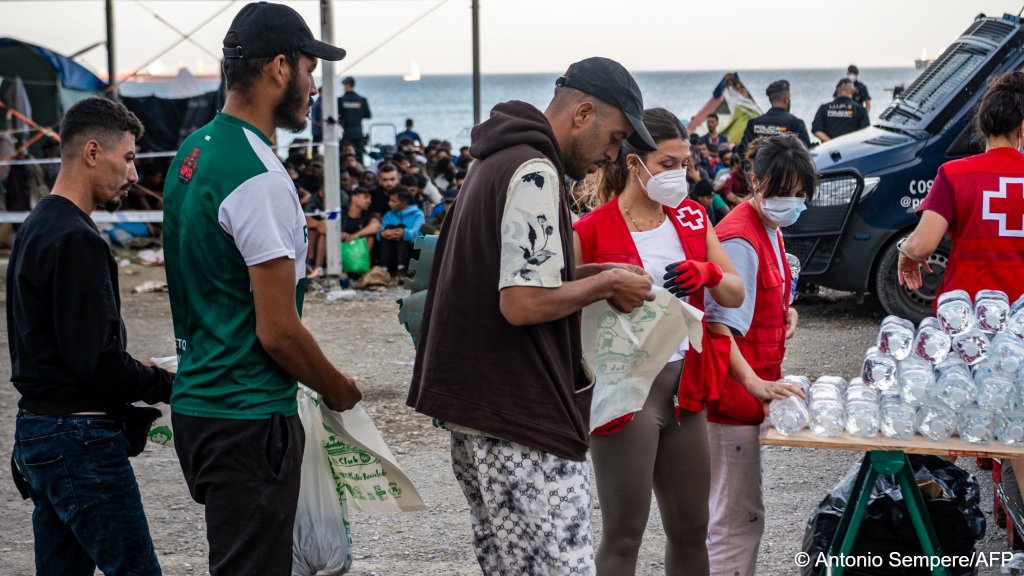
temporary makeshift camp on an esplanade near the Trampolin beach to migrants waiting to be transferred to reception facilities in Ceuta on October 7, 2026 | Photo: Antonio Sempere/AFP
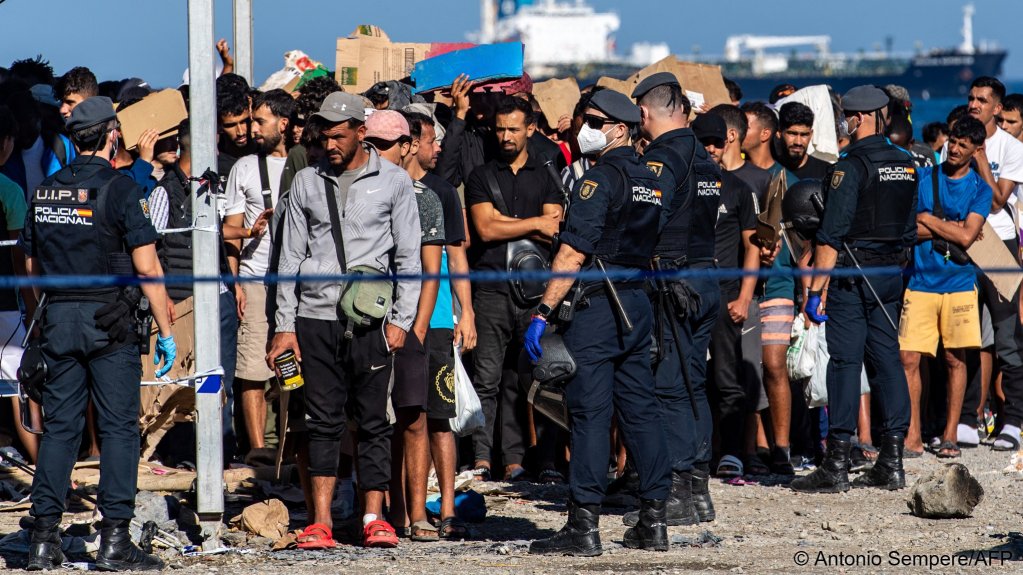
Although exact figures remain unclear, authorities reportedly estimate thousands of migrants, including hundreds of unsheltered minors, are still in Ceuta.
Human rights groups have urged Spanish officials to establish an official registry to ensure proper legal protection and care for all underage migrants in the territory, according to AP.
Read AlsoWhere is Spain headed after the snap election announcement?
'I saw death'
Spanish prosecutors and rights organizations, including Amnesty International, are moreover investigating reports of abuse, unsafe living conditions, and mistreatment of migrants by security personnel in the area.
Earlier this month, Amnesty made allegations accusing Spanish security forces of using excessive force, verbal insults and harassment against migrants who arrived in Ceuta since July.
"When they were beating me, I saw death, only death," a 27-year-old Moroccan artisan who was staying at the tent village that was cleared on Sunday told AP, displaying his healing head wounds.
He claims to have been abducted and tortured by Spanish military personnel in September.
The Moroccan is one of many migrants who reportedly fled economic hardship, violent conflict, or persecution over their gender identity, sexuality and beliefs.
Others sought asylum from severe social and legal hostility in Morocco, according to AP. Among them is a 19-year-old transgender man who spent two months at the camp after being rejected by relatives in Ceuta; another, a 34-year-old gay man, fled death threats from his family, AP reported.
A 28-year-old blogger also requested international protection after receiving threats and facing kidnapping for criticizing Islam online.
"The first week was pure survival," the blogger recalled after crossing into Ceuta. "It felt like running from zombies; some people wanted to attack you, others wanted to rob you." He now fears severe reprisals if deported back to Morocco.
with AFP, AP