
The Dutch news platform NLTimes reported that many asylum seekers in The Netherlands might be left without accommodation, amid a severe shortage of available housing. With winter approaching, rights groups are sounding the alarm about some migrants having to sleep rough.
The Central Agency for the Reception of Asylum Seekers (COA) said that in the coming weeks and months, the main reception center for asylum seekers arriving in the country in Ter Apel could run out of spaces, as it is already operating nearly at capacity.
This could mean that some asylum seekers might have to sleep rough if the authorities are unable to come up with alternative contingency plans.
The COA stressed that this shortage is in no way related to any wrongly perceived increase of applicants in The Netherlands but rather to the fact that asylum seekers end up having to spend too much time at the Ter Apel facility due a backlog of asylum cases being processed.
NLTimes reported that the Dutch Immigration and Naturalization Service is taking longer processing cases amid a series of changes in asylum law earlier in the year, while appeals in court also appear to take longer than before — despite a drop in new applications.

Read AlsoNetherlands: Fewer new asylum applications, as EU asylum pact takes effect
Particular concern about women and children
At the same time, there's an ongoing housing shortage across the country, affecting those who have successfully been granted protection as well.
Close to 18,500 people with asylum continue to wait to be distributed to various housing centers across the country. The increase in anti-migrant protests might be slowing down progress on this front, reported the broadcaster RTL Nieuws.
Read AlsoThe Netherlands: Arson suspected in attack on future asylum center
The agency said that women, children and people with medical needs have to be prioritized in the current circumstances — though these applicants are also having a hard time being allocated accommodation in Ter Apel.
However, concerns remain about such vulnerable groups ending up on the street as there seems no resolution in sight to the current shortfall in accommodation placements.
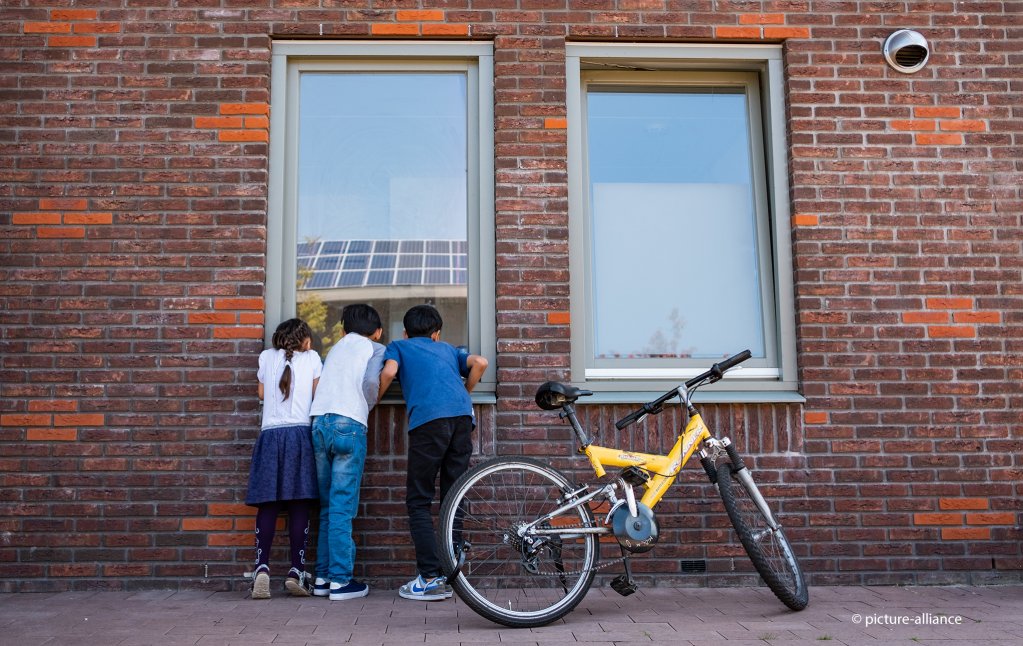
Even Red Cross at capacity
COA head Remco Bakker meanwhile has urged municipalities across the country to look into finding emergency solutions to the growing crisis situation, saying that the current system is already pushing its limits.
"We must work together to ensure that people do not end up on the streets. It is inhumane," NLTimes quoted Bakker as saying.
In the past few months, the Red Cross in The Netherlands meanwhile has started to arrange some emergency overnight accommodation for asylum seekers without a roof over their heads.
However, even those spots have been fully booked lately, resulting in more asylum seekers sleeping on the streets throughout the country — with even more at risk of suffering the same fate.
Read AlsoWhy are people protesting against asylum in the Netherlands?
Bill to send rejected asylum seekers to jail
At the same time, there's been another development regarding asylum seekers in the country — specifically those who have lost their cases, resulting in deportation orders.
Asylum Minister Bart van den Brink presented a bill in parliament to imprison rejected asylum applicants for six months, if they refuse to comply with their deportation orders.
"We must be able to penalize people who have no right to stay and who persist in obstructing their deportation," van den Brink said.
"Asylum policy cannot function without a credible return policy in which the obstruction of return is no longer tolerated."
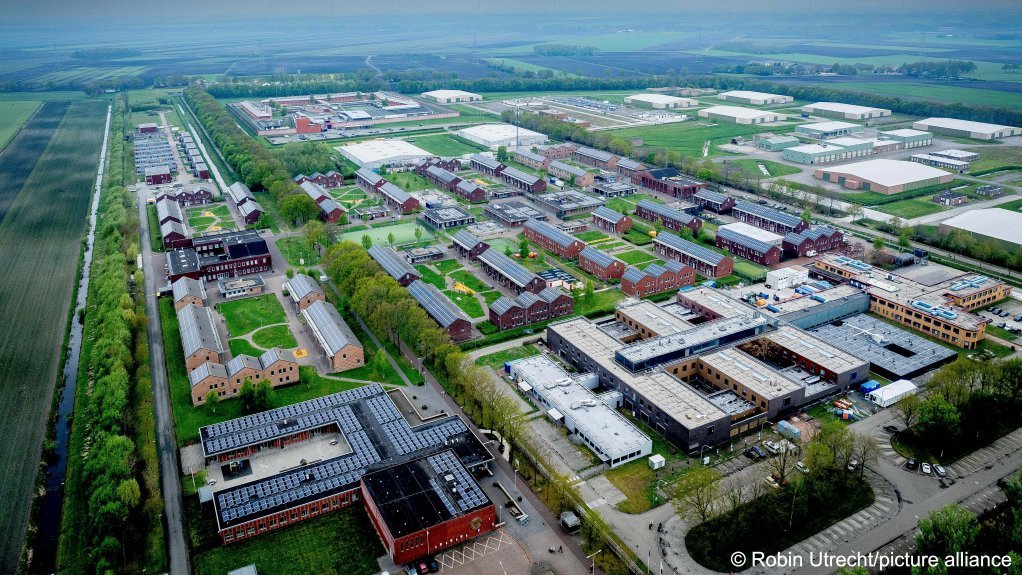
The news of the announcement of the dire shortages in the COA system, coincided with hard-right movements in The Netherlands rejecting both policies and instead advocating for mass deportations.
Read AlsoThe Netherlands: Arson suspected in attack on future asylum center