
The NGO ship "Sea-Eye 5" rescued at least 52 people in the Mediterranean Sea in the course of two missions during the first weekend of October. A few days later, the Ocean Viking picked up 101 migrants.
The aid organization Sea-Eye said its crew on the private "Sea-Eye 5" rescue vessel had first received a distress call on October 3 about a rubber boat in trouble in the Libyan search and rescue zone.
The rescue vessel was able to quickly make its way to the location of the unseaworthy dinghy and save all people on board. According to various sources, the number of rescued people ranged between 20 and 24.
The next day, the crew spotted another distress situation involving at least 32 people — this time in the Maltese search and rescue zone.
Again, all people were brought to safety without any incident.
The German rescue organization added that all of the migrants had meanwhile disembarked safely in Italy on October 6.
No details have so far been disclosed about the identities and origins of the rescued individuals.
Read AlsoIOM warns that migration routes to Europe are becoming more dangerous
Ocean Viking saves more lives
Meanwhile, the crew of another NGO rescue vessel saved even more migrants also in the Mediterranean.
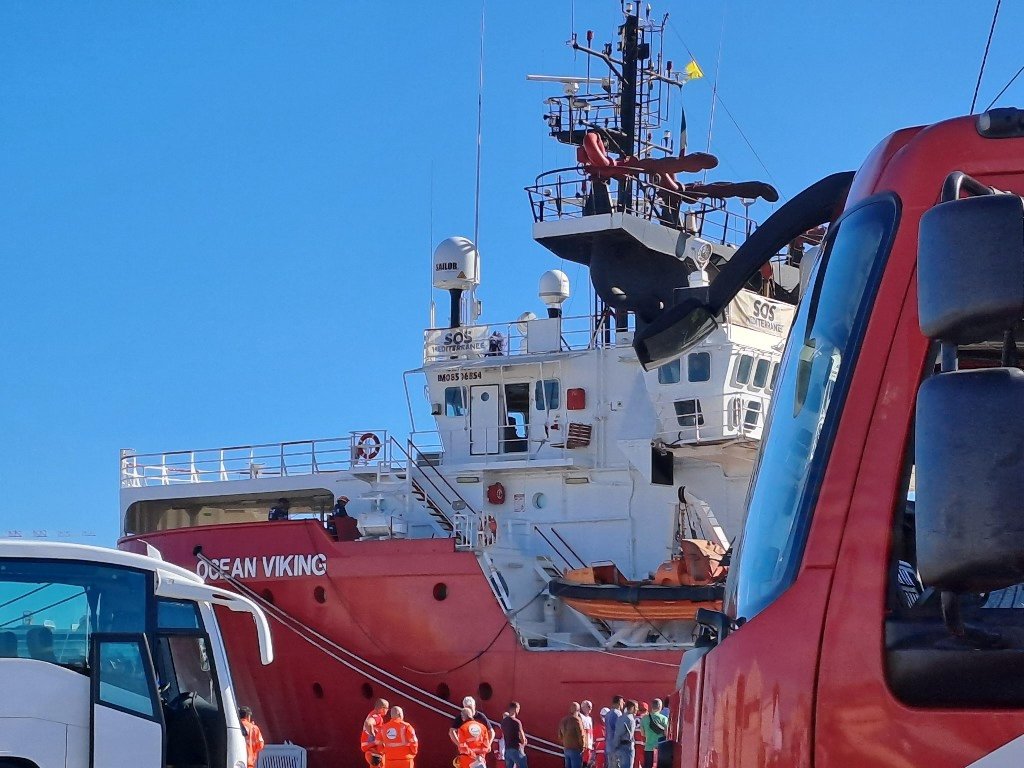
A total of 101 people were safely taken on board the Ocean Viking during two operations on the night of October 6 – 7.
The first mission was initiated after a tip off by the organization Alarm Phone, which monitors journeys towards Europe as well as an alert from an unmanned aircraft operated by Frontex, the EU's external border agency.
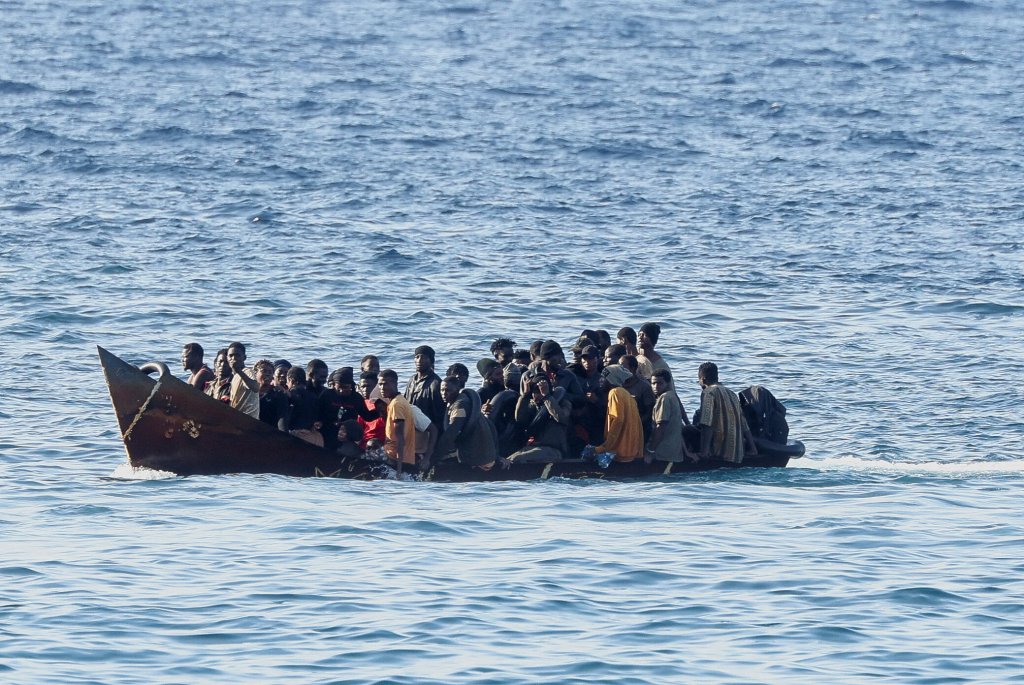
During that mission, 60 migrants were rescued from an unseaworthy rubber dinghy, which at the time was located in the Libyan search and rescue zone. Among the group, there were 21 women — five of whom were pregnant, according to the crew — as well as 12 children.
Four of the children reportedly were unaccompanied minors, while six of them were under the age of 14, said SOS Mediterranee — the NGO that operates the Ocean Viking.
Read AlsoOcean Viking rescue ship saves 14 people adrift off Libya
Hunger, thirst and chemical burns
Merely hours later, the crew of the Ocean Viking rescued another 41 migrants from a partially deflated rubber dinghy in the Maltese search and rescue region; SOS Mediterranee had also been informed about this second development by Alarm Phone.
Among this group were 16 unaccompanied minors, some of them also as young as 14.
People on both migrant vessels reported having spent several days without food or water; some had also suffered burns from the corrosive chemical reaction that occurs when sea water mixes with fuel used for the engine of the migrants' boats.
Read Also'The guards torture you every day': a migrant's account of Libya's al-Maya detention center
Survivor recounts his experience
According to a press release from SOS Mediterranee, a survivor from Sudan shared his story with the crew, saying he felt "dizzy from hunger and that everyone on the ship had been kind to him."
The press statement went on to say that he told first responders on board the rescue ship that he "had been mistreated in his own country, had traveled to Egypt and then to Libya," in the hope of reaching Europe and starting anew.
However, while he was in Libya, "he was repeatedly beaten, spent a night in prison, and experienced a great deal of violence."
Thousands of deaths crossing the Mediterranean Sea
There are several such private rescue groups that operate in the Mediterranean Sea, trying to save the lives of irregular migrants who suffer shipwreck or run into dangerous situations.
The Mediterranean remains one of the most dangerous migration routes in the world, with people smugglers taking increasingly risky journeys to move thousands of people each year.
In many instances, groups of migrants in their dozens embark on days-long crossings of over 300 kilometers with nothing but the clothes on their backs.
Read AlsoIncrease in migrant deaths highlights rising dangers of Mediterranean route
Countries situated all along the Mediterranean have upped their sea patrols in recent years to intercept and — in many instances — return migrants to where they had departed.
According to the IOM, the death toll of migrants drowning on this perilous route in 2026 is about to reach 2,000 cases; since 2014, at least 35,000 people are thought to have died during these dangerous irregular journeys, according to the IOM's Missing Migrants project.
However, many rights groups believe that the actual number of fatalities could be considerably higher, as many instances of shipwreck go unreported and unnoticed.
Read AlsoMore rescues in Mediterranean waters
with EPD