
Iraqi Kurdish media is reporting that nine of a group of Iraqi Kurdish migrants, thought to be missing after leaving Libya on a boat bound for Europe may have been found, and are due to be repatriated to Iraq, once their identities and nationalities have been checked.
In August, there were worrying reports about ten migrants potentially having lost their lives at sea while embarking on an irregular journey from Iraqi Kurdistan.
According to reports in the Iraqi Kurdish news platform Rudaw, the group had departed together, making their way to Libya with plans to get on a boat headed for the European Union.
However, reports later reached their families that they might have drowned during that journey.
Their loved ones back home found themselves having to navigate a new reality between dread, disbelief and panic — while at the same time, conflicting reports also began to surface about the ten men possibly being held at a detention center in Libya.
A report on the regional broadcaster Rudaw said that the families ultimately decided to hang on to their remaining hope that their loved ones could still be alive, refusing to accept reports that claimed otherwise.
According to that article, the families had "rejected rumors that they [had] drowned, saying they have instead received information suggesting the migrants may still be alive and detained in Libya."
But now, it seems their faith in a reunion may have been validated.
Read AlsoIraqi Kurds arrest suspected human smugglers linked to deadly boat sinking off Italy
Migrants found safe and well
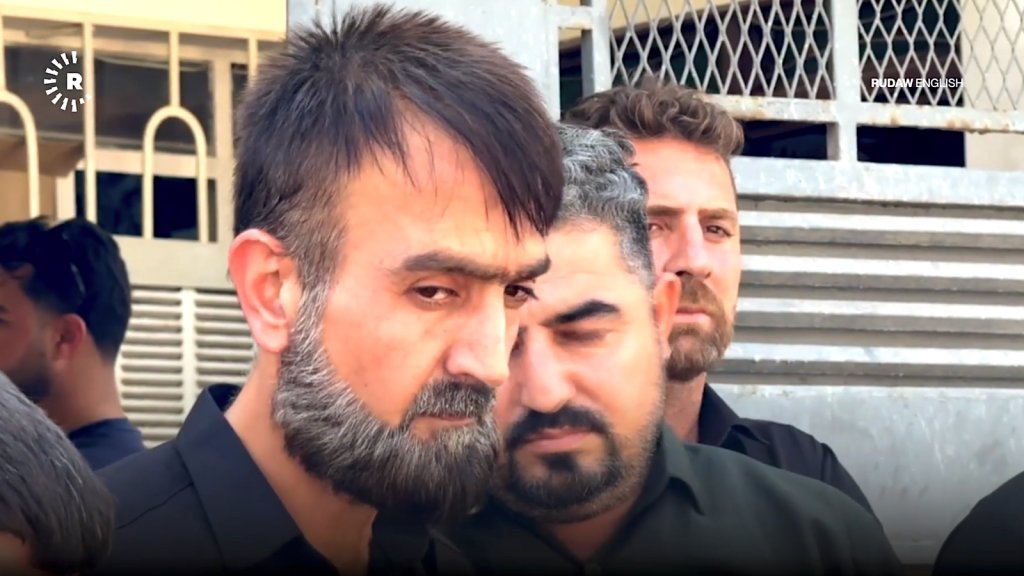
On Sunday (October 4), Rudaw reported that they believed most of the group of migrants had been located in Libya, and that authorities in Iraqi Kurdistan were working closely with their Libyan counterparts to bring the men back.
"Iraq's diplomatic mission in Libya said Sunday it had located nine Iraqi Kurdish migrants and begun procedures to repatriate them voluntarily to their families in the Kurdistan region," the article read.
The article, however, did not specify the fate of the one remaining migrant or whether the original report had erroneously said that there were ten men in the group instead of nine.
The report also explained that the identified migrants underwent medical examination to ensure that they were fit to travel back to their homes.
The Iraqi embassy in Libya reportedly told Rudaw that it had issued emergency travel documents for the group to facilitate their impending return.
Last month, Iraqi authorities managed to return a group of 33 migrants who had become stuck in Libya, with a total of over 500 migrants from Iraq's Kurdistan region having been repatriated since 2015, according to Rudaw.
Read AlsoLeaving Libya: Syrian and Bangladeshi nationals fly back to their home countries
Severe human rights violations in Libya
This good news story, however, stand in stark contrast to the realities that migrants hoping to reach Europe face — especially those traveling via the Libya route.
Networks and gangs, some with official connections are often tasked with stopping migrants before they reach the Libyan coast and taking them to detention centers in the country.
However, not only are those detention facilities known for squalid and unsanitary conditions, but they're also notorious for rights abuses; reports of violence, forced labor and exploitation at these centers have been amassing for many years.
Read AlsoLibya: 'I wish I had died,' says migrant after weeks of rape
More recently, there have also been multiple accounts of extortion, whereby videos of migrants suffering torture at these centers are sent to their families back home in order to extort thousands of euros from them for the abuse to stop, and to allow them to continue their journeys.
Many migrants are believed to actually have died in Libya as a consequence of these actions; in recent years, mass graves of migrants have been discovered in several locations in the country, with the bodies reportedly showing signs of severe mistreatment.

Read Also'The guards torture you every day': a migrant's account of Libya's al-Maya detention center
Dangers of irregular sea crossings
For the migrants that do manage to avoid being sent to these detention facilities, many dangers remain during their irregular crossings across the Mediterranean to Europe; according to the IOM, more than 35,000 migrants have died during these journeys since tracking began in 2014.
The real number of deaths, however, is believed to be significantly higher, as many instances of shipwrecks at sea go unnoticed and unreported.
In 2026 alone, more than 1,000 migrants perished during the perilous sea journey to Europe.
Read AlsoLibya: Over 220 migrants freed from underground prison