
The NGO Amnesty International has made allegations that excessive force, verbal insults and harassment by Spanish security forces may have been used against migrants who arrived in Ceuta since July. The government is investigating the allegations.
A report by human rights watch dog, Amnesty International, alleges excessive force and verbal harrassment used by Spain’s security forces against people who remain in Ceuta after crossing from Morocco since the end of July.
The report published on Wednesday (September 30), outlines allegations of "torture, cruel and inhumane treatment and undignified reception conditions" and is based on interviews with more than 65 migrants conducted during a field visit between September 10-15. Amnesty International also reported corroborating collected testimonies with information gathered by the Border Resistance collective, which also claims to have documented reported counts of excessive use of force by the Spanish Armed Forces, National Police, and Civil Guard.
Amnesty International supported and documented accounts of violence both graphically -- through images and photos -- and audiovisually. Some of the allegations, they said were directed against women and children.
"Some cases, due to their severity, may constitute torture," declared Amnesty.
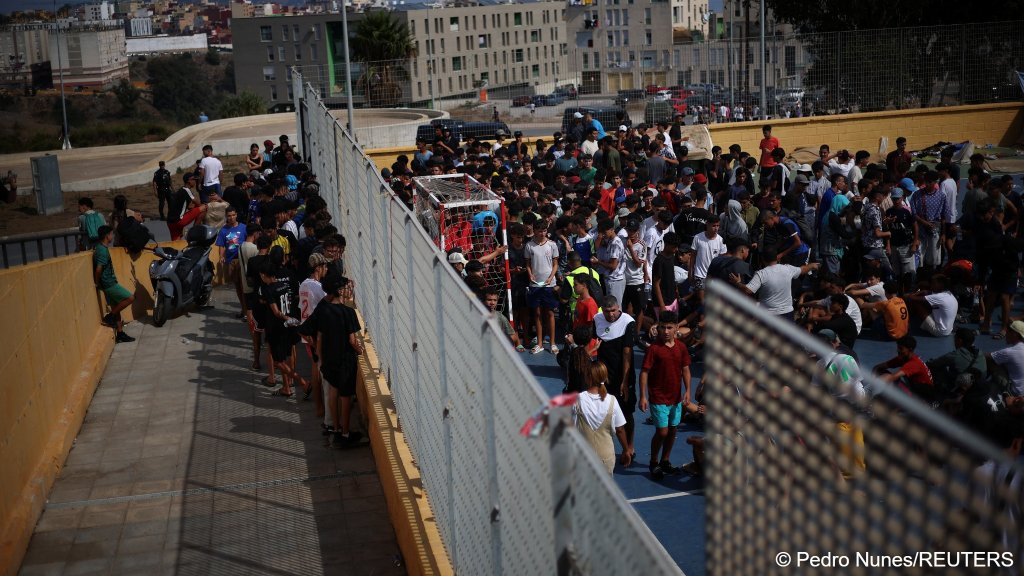
"This investigation is fully consistent with the cases directly documented by Amnesty International, highlighting videos showing migrants lying on the ground being struck with batons and kicked, and medical reports that confirm injuries, such as fractures and head trauma, which migrants say were caused by assaults by soldiers," the rights group said about their report.
Apart from the accounts of use of excessive force, Amnesty International's team also reported witnessing a group of soldiers approaching a group of people sitting on a public bench near the city center, asking them if they were "from here" and forcing them to move on.
When they asked why they were being questioned, the security forces were said to have replied, "We have orders not to make you feel comfortable ."
Read AlsoCeuta: Government accelerates clearances, transfers and returns
Urgent response
Amnesty International shared the findings of the report with the Presidents of the Government of Spain and the Government of Ceuta and has asked for an urgent plan for "adequate humanitarian aid and dignified reception, with specialized care for women, girls and boys, and people at risk."
"In accordance with European regulations in force since mid-June, Spain must carry out triage on all people to identify asylum seekers, including health and safety checks and a preliminary vulnerability check to identify survivors of torture or other inhuman or degrading treatment and people with special needs," said Amnesty.
In an email to InfoMigrants, Spain’s Ministry of Defense responded to the allegations saying that operational command has been instructed to investigate and determine possible individual responsibilities in order to uphold the integrity and reputation of the Armed Forces.
Read AlsoCeuta: Border controls boosted amid rumors of another mass crossing attempt
Hate manufactured online
The mass arrival of an estimated 70,000 people in Ceuta from Morocco in July has sparked a humanitarian crisis that is putting Spain's liberal migration policies to the test. Against its EU neighbors that are moving to tighten border controls and fast track deportations, Spain has emerged as a consistent outlier advocating for the regularization and integration of undocumented migrants.
But the public mood may be changing. Monitoring by Spain’s government-run Observatory on Racism and Xenophobia (OBERAXE) shows 101,025 instances of hate speech and discriminatory narratives in August, following the crossing at the end of July. An estimated 39 percent of analyzed content were related to the Ceuta border crossing. The messages explicitly described narratives portraying migrants as a threat to security and coexistence. Hate messages on social media increased by 76 percent in the wake of the July crossing.
The online hostility is mirrored and amplified in the real life rhetoric of some far right parliamentarians. José María Figaredo, the Vox party's secretary general in Congress, publicly stated that migrants who had entered Ceuta irregularly should be "hunted down one by one."
Journalists and NGOs also targeted
The allegations of excessive force and harassment also reportedly extended to journalists and humanitarian workers. Amnesty International cited accounts from local organizations who claimed that security forces obstructed their work even when they try to distribute sanitary pads and other hygiene products to women. Other local organizations, such as Luna Blanca, which provides hot meals to migrants, also reported being subjected to insults and harassment while carrying out their work.
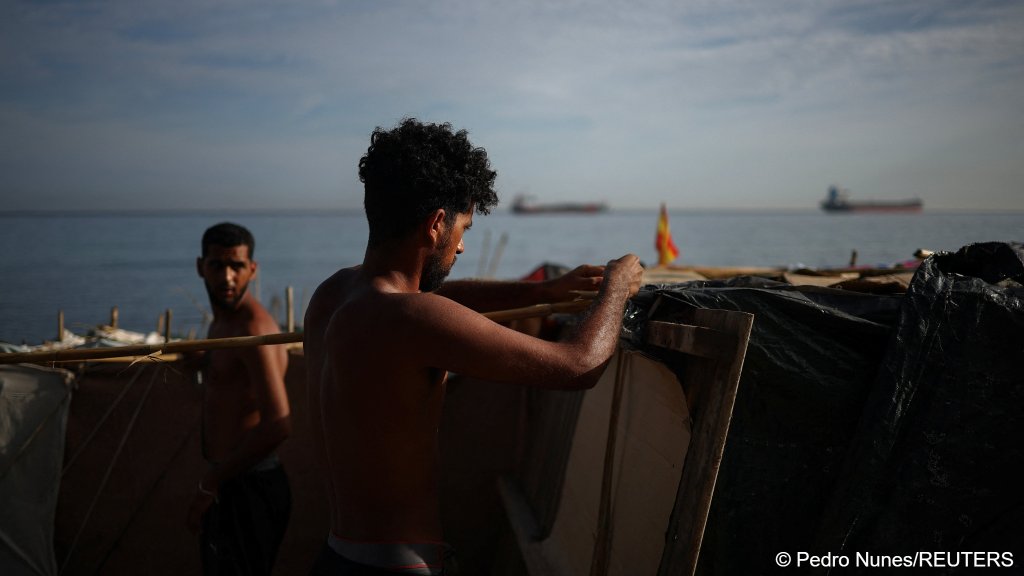
A government report released on Tuesday (September 29) indicates that a further 1,200 reception places are to be prepared to accommodate those currently living in temporary shelters. About 2,493 minors are now under Ceuta’s protection system. There have been a recorded 8,243 returns. Of that number, 7,794 described as voluntary and 449 expulsions. Approximately 4,100 military personnel have been deployed to Ceuta so far.
Read AlsoUnderstanding Ceuta: A contested borderland in Europe’s African enclave