
Germany is planning to cut funds for certain asylum services. According to recent announcements, one of the areas likely to be most hit by these fiscal measures would be the current arrangement for providing asylum seekers with free independent information about their rights and obligations.
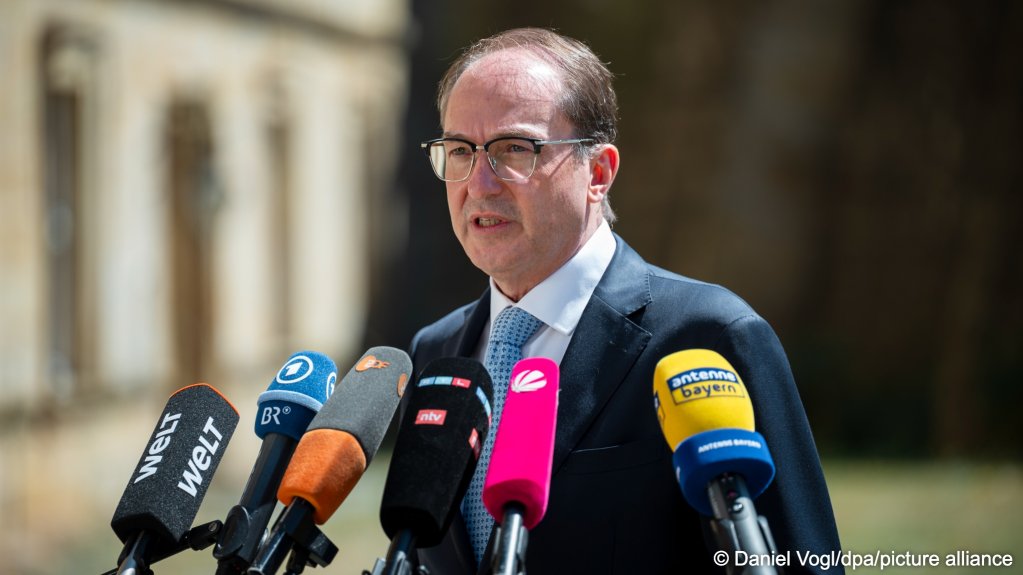
German Interior Minister Alexander Dobrindt has announced government plans to drastically curtail government funding for certain guidance and consultation services related to informing migrants about asylum procedures.
The consultation programs that would be affected by the cuts are the ones, which are run independently of government agencies, limiting their services to being used by vulnerable migrants only, according to the EPD news agency.
Without the help of partner organizations, however, it would become virtually impossible for the German government to provide consultation services across the country, as government-run facilities cannot saturate every last corner of Germany for a number of reasons.
No sufficient capacities at BAMF
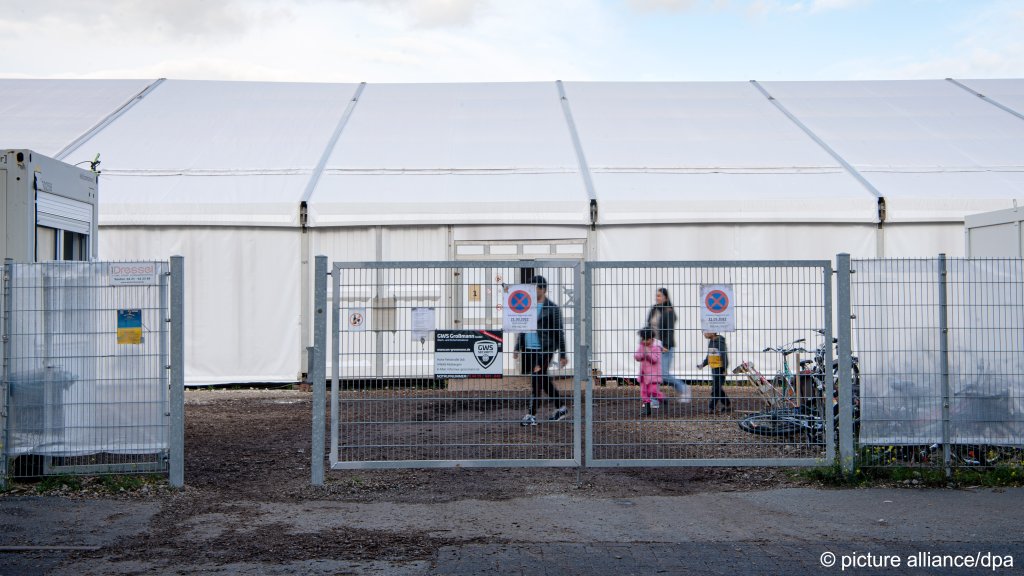
Various NGOs have for several years been stepping in for the Federal Office for Migration and Refugees (BAMF) to cover these asylum consultations in remote parts of Germany.
These organizations have also been providing additional consultations in scenarios, where — due to high application numbers — government-run services simply were overwhelmed with the sheer number of consultation requests, effectively running into a backlog.
This has, in particular, repeatedly been the case at certain initial reception centers.
Read AlsoGerman Interior Minister: 'My migration course is tough'
Who gets to be 'vulnerable'?
Dobrindt's plans, however, would see such external consultations limited to particularly vulnerable individuals only, leaving non-vulnerable migrants with government-run information consultations as their sole alternative.
The only remaining beneficiaries of the scaled-back partnerships between BAMF and charitable organizations would be elderly asylum seekers as well as unaccompanied minors and chronically ill people.
The German government enshrined the right to independent asylum procedure counseling in the Asylum Act of 2023; three years in, an ongoing evaluation of the scheme yielded initial results, which assessed the provision of these consultation services as a positive contribution to the asylum system.
Cuts to help boost defense expenditure
The policy plan to restrict these services only to vulnerable individuals is linked to drastic budget cuts which are due to hit the ministry next year.
In the 2027 federal budget, only five million euros would be allocated as funds for these services. Current government finances, in contrast, have nearly five times the same amount budgeted for this purpose.
Budget discussions for next year are still being finalized in the Bundestag— Germany's lower house of parliament.
However, most financial propositions are expected to be waved through the Bundestag, as Germany's fiscal spending is undergoing a major shift in favor of military and defense expenses — at the expense of many other areas, including asylum and immigration.
Still, the German government has also already reneged on certain prior announcements of cuts planned for its asylum and immigration agenda — such as integration courses for new migrants.

Read AlsoGermany: Government changes its stance on integration courses for some migrants
NGOs sound alarm over planned budget cuts
Various civil society organizations meanwhile have criticized the government plan to scale down these partnerships, arguing that it would be impossible to implement this policy across the board while still providing all migrants coming to Germany with sufficient information about their asylum situation.
Joachim Rock, chief executive of Paritätischer Wohlfahrtsverband — a major public welfare association in Germany — said that most migrants' level of fragility and weakness is often only fully established exactly during such asylum consultations — and not before.
"It's often only in the course of a conversation that it becomes clear who really is vulnerable," he told EPD.
Read AlsoOne in 10 deported from Germany are minors
Kerstin Becker, the head of the department at Paritätischer Wohlfahrtverband, which is tasked with organizing such consultations for migrants, added that "with only five million euros left, it's going to be particularly impossible" to inform migrants at initial reception centers across the country about all their rights and responsibilities as asylum seekers.
Becker said that "[y]ou can't tell just by looking at people" whether someone is vulnerable, adding that certain groups like human trafficking victims could easily be overlooked with such a change in policy.
She also highlighted her concern that mental health issues could also be ignored as a potential vulnerability.
According to various studies, roughly one in three asylum seekers suffers from trauma or other forms of mental illness, which often are intrinsically linked to their migration or the grounds for their departure from their home countries.
EU pact could yet scupper agenda
Meanwhile, the Left Party (Die Linke), which had submitted an information request to learn more about the government's intended cuts, also commented that the implementation of this plan could be impossible in real terms — on a legal basis.
The party pointed out that the implementation of the Common European Asylum System (CEAS) — which took effect in June as an extension of the EU Pact on Migration and Asylum — requires the provision of access to free legal advice on asylum options as an enshrined directive.
So far, this obligation has been fulfilled, it said, though free legal consultations provided by BAMF and its partners, as per the 2023 Asylum Act. The party though, expressed doubt over the future delivery of these services, if the announced cuts go ahead.
Read AlsoCEAS comes into effect: How will it impact asylum seekers?