
The European Commission has pledged to provide Lebanon with more than 500 million additional euros to improve security and border management as well as refugee management. However, following months of conflict especially in the south of the country, the UN says that much more is needed — in particular from some donor countries like Germany.
The latest round of EU migration aid funds are earmarked to be used for efforts related to taking care of Syrian war refugees in Lebanon — including prospects of voluntary returns to the neighboring country following the fall of longterm autocrat Bashar al Assad nearly two years ago.
The pledged funds are also intended to bolster the Middle Eastern country's border management, as a number of Syrian refugees continue to arrive from across the border. Some then attempt to journey on from Lebanon towards Europe, although the majority remain in the region.
Read AlsoUNHCR: 200,000 Syrians return from Lebanon after fall of Assad regime
The announcement was made by the EU Commissioner for the Mediterranean Dubravka Suica on the sidelines of the UN General Assembly in New York.
The EU hopes that the funds will also contribute to curbing the numbers of Syrian refugees traveling from Lebanon to the European Union.
Read AlsoSyria: Millions return to poor infrastructure
EU continuing contributions to Lebanon
European Commission President Ursula von der Leyen already announced two years ago that the bloc would provide around one billion euros in financial aid to the Middle Eastern country, which for years has been struggling with a series of political and social crises — including the hosting of an estimated 1.5 million Syrians in the country, according to UN estimates.
About half of those funds pledged in 2024 were released that year, with the other half currently being distributed.
The pledge of an additional 500 million euros is a particularly welcome cash injection, as the south of Lebanon continues to be hit by a series of crises, including the war against Hamas and other extremist groups in neighboring Israel repeatedly spilling over the border.
Read AlsoGrandi calls for more international support for Lebanon
Israel war affecting much of Lebanon
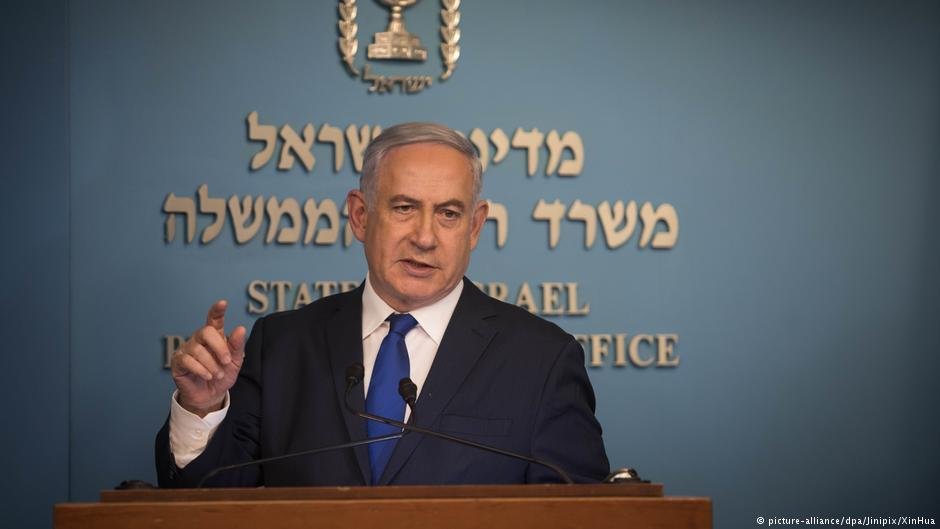
Most recently, the conflict in the region has resulted in the de-facto occupation by Israel of vast areas of southern Lebanon, in order they say to neutralize Iran-funded Hezbollah militia there in the wake of the Iran war six months ago.
The Israeli military retains a presence in southern Lebanon and carries out strategic missions against the Islamist groups, which are considered terrorist organizations by many Western governments as well as the European Union.
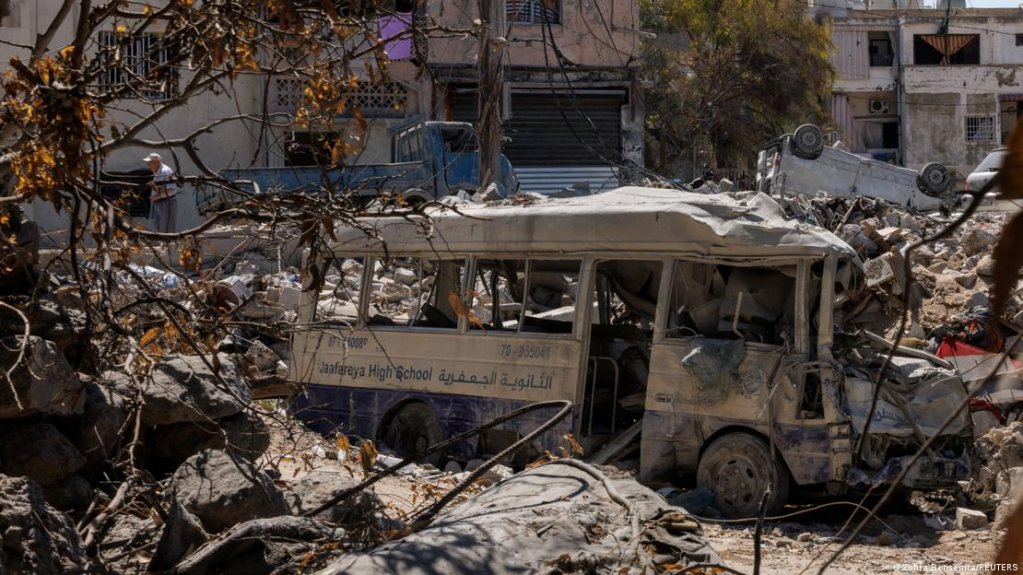
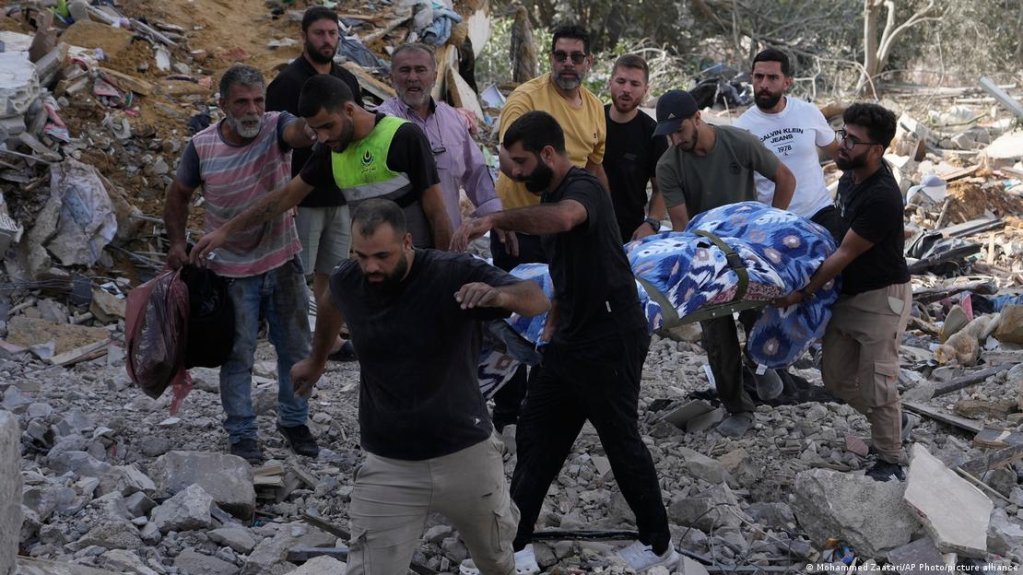
These attacks, however, have also resulted in widespread damage to local infrastructure and livelihoods, and caused displacement, both within Lebanon and across the region.
Read AlsoUNHCR: 200,000 Syrians return from Lebanon after fall of Assad regime
WFP draws attention to worsening humanitarian situation
The World Food Program (WFP) meanwhile has renewed its calls for more aid to be made available to the region — in particular from the German government,
The WFP country director for Lebanon Allison Oman told the dpa news agency that Germany remained an important donor for Lebanon, "but in the discussions I've had so far here in Berlin, including in the Bundestag, I've gotten the impression that this crisis is no longer the focus."
Read AlsoLebanon to offer Syrians 100 dollars each to repatriate
The areas affected by the military incursion into Lebanon include three villages occupied by Syrian refugees — as well as Christian minorities. The other villages in the area have reportedly been destroyed in the clashes that started in March.
"In total, there are about 10,000 people who have remained in a region where, according to reports, 270,000 people used to live," Oman added.
Read AlsoUN warns of difficult winter ahead for migrants as aid cuts bite
She stressed that the WFP has been trying to assist those people by delivering essentials such as food packages, blankets, and hygiene supplies.
However, "[g]aining access to the area is a real challenge," she added.
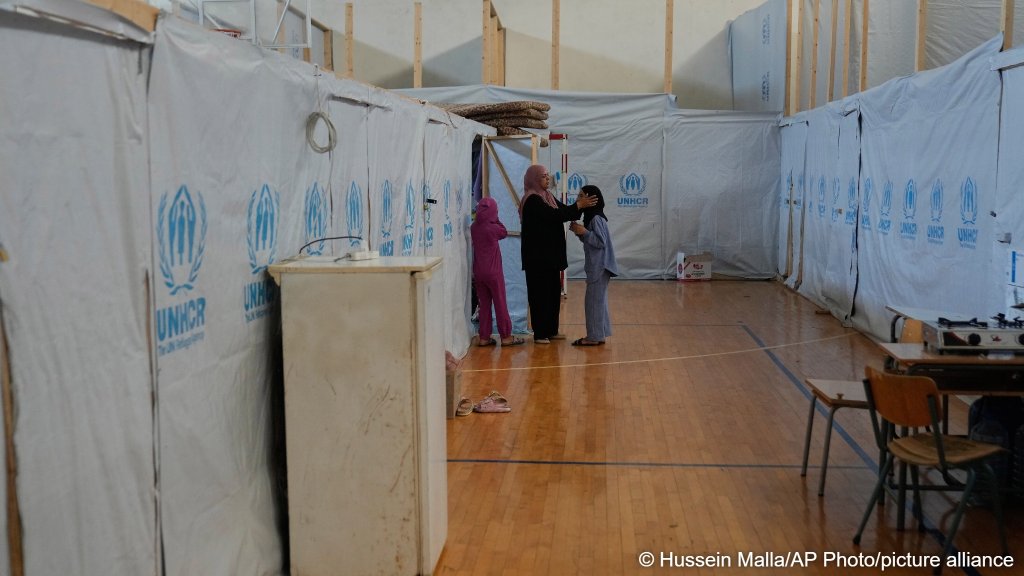
According to the WFP, over a million people were displaced at any given time during the early stages of the war in the region, while about 335,000 people remain displaced.
A feeble ceasefire continues to be breached by special operations conducted by the Israeli army.
Read AlsoGermany concerned Iran conflict may trigger new refugee flows to Europe
Stability in Lebanon in everyone's interest
According to WFP data, Germany's direct contribution to the UN agency in 2025 was significantly smaller compared to the previous year.
In 2025, German funds financed about seven percent of WFP operations in the country, as a spokesperson for the organization explained. Germany thus ranked ninth on the list of WFP donors.
While in 2024, Germany was still the second-largest donor to WFP projects in Lebanon, last year it fell into ninth place.
According to Oman, the humanitarian situation meanwhile is worsening throughout the country, with prices for certain household staples having risen by almost a quarter since the beginning of the year. She added that ensuring stability in Lebanon was in everybody's interest in the volatile region — including Germany's — not only with regards to the refugee situation.
Read AlsoIran war: Refugees may look to Germany as hostilities continue
with dpa