
Migrants embarking on irregular journeys to Europe face countless dangers each step of the way. Their relatives and families back home meanwhile find themselves having to navigate through a labyrinth of concern, fear and despair, as the whereabouts of their loved ones remain uncertain for long stretches of time.
In Iraqi Kurdistan, reports surfaced in early August of ten Kurdish migrants having gone missing during a dangerous sea crossing from Libya to Italy.
For weeks, there was no actual update on their whereabouts and no communication.
In recent days however, reports of a boat sinking near the Italian coast reached the family members back home, with a strong implication that their loved ones may have been on that vessel.
A Kurdish migrant activist named Ranj Pishdari had reportedly ascertained information suggesting that ten Kurdish nationals had been on board a vessel that had suffered shipwreck; however, the origin and nationalities of the victims have not yet been verified.
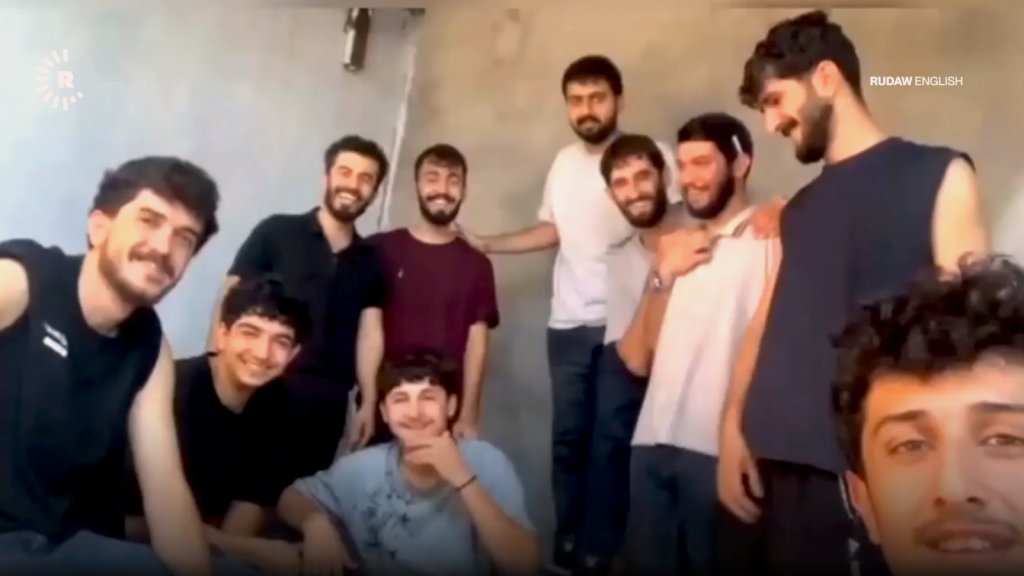
The relatives also were shown video material, in which potentially identifying marks were highlighted, causing anxiety and distress back home.
However at the same time, family members also received contradictory information suggesting that the young migrants might instead be held in a prison in Libya.
Read AlsoItaly: Kurdish activist acquitted of trafficking charges
Hope dies last
According to the regional broadcaster Rudaw, the families of the ten missing migrants continue to hold on to hope, rejecting any report that might imply that their loved ones might have perished in the Mediterranean.
In this report, published earlier this week on the broadcaster, reporters said that the families have "rejected rumors that they [their loved ones] drowned, saying they have instead received information suggesting the migrants may still be alive and detained in Libya."
Rudaw spoke to several affected family members, who explained the motivations and reasons for their outlook.
Sardar Abdullah, the father of one of the migrants, told the broadcast that one of the bodies that had been discovered off the Italian coast had a tattoo that was reminiscent of one that his son had, adding however that he wasn't convinced that it was him:
"It is true he had a tattoo on his chest, but his frame and physique do not resemble my son at all," he explained, adding that he therefore was not quite prepared to "hold a funeral" yet.
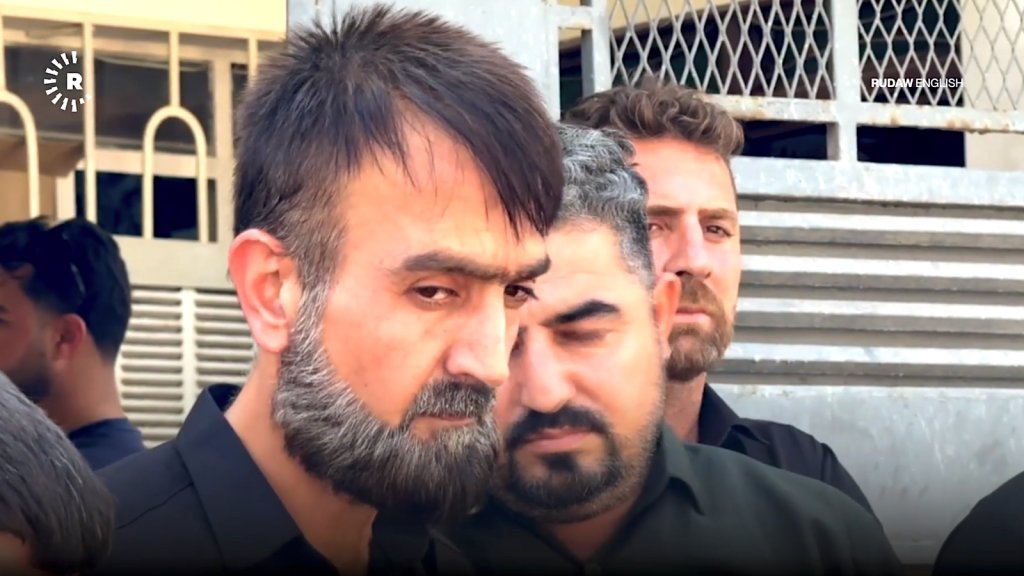
Another relative named in the report as Zrar Khalid said with certainty that "[o]ur relatives were not sent, they did not leave, and they did not enter the water to have drowned in it."
Khalid stressed with near-absolute conviction that "they have certainly been detained."
Read AlsoThe uncertain future of the Kurds in the new Syria
Contradictory information
The head of the Association of Returned Migrants from Europe in the city of Ranya also stressed that the family members had information that suggested their loved ones were still alive and were imprisoned in Libya.
Many of Iraqi Kurdistan's migrants go from, or via networks based out of Ranya, according to research gathered by a recent podcast broadcast on the BBC, To Catch a King.
"They even have information that they were detained by a brigade named the 111th Brigade, 51st Battalion, and that their specific detention facility is Rughba, if I am not mistaken," Abu Bakir Ali told Rudaw.
At the same time however, other officials believe that at the very least the Kurdish migrants were likely to be in the hands of armed groups in Libya rather than in a prison.
Read Also'The guards torture you every day': a migrant's account of Libya's al-Maya detention center
In detention?
Iraqi lawmaker Muthanna Amin told Rudaw that according to Libyan security services, the Kurdish migrants were not being held by state authorities but were rather being kept in captivity by a paramilitary group.
However, this particular scenario would come with its own dangers, as such armed factions are often reported to keep migrants in squalid conditions and to torture them to extort money from their families.
Many migrants are believed to have died during the brutal treatment they receive in Libya. More and more migrant graves are being uncovered in Libya with bodies showing clear signs of mistreatment and torture.
Read AlsoEgyptian families pay ransoms for sons missing on migrant boats to Europe
Human rights violations like this are common in Libya, where roughly a million migrants are known to be stuck, according to IOM information.
Whether the family members of the migrants are truly hanging on to hope or protecting themselves by entering a state of denial, it remains certain that their loved ones — like millions of other migrants over the years — have encountered serious danger along their journey.
This leaves their relatives back home in agonizing uncertainty until the moment they can confirm what has happened to their loved ones.