
Europol supported a migrant smuggling investigation involving law enforcement authorities from 17 countries. Raids carried out earlier in the week resulted in six arrests and the seizure of property used by the gang to facilitate the illegal transport of people. The criminal network was also reportedly engaged in document fraud and money laundering.
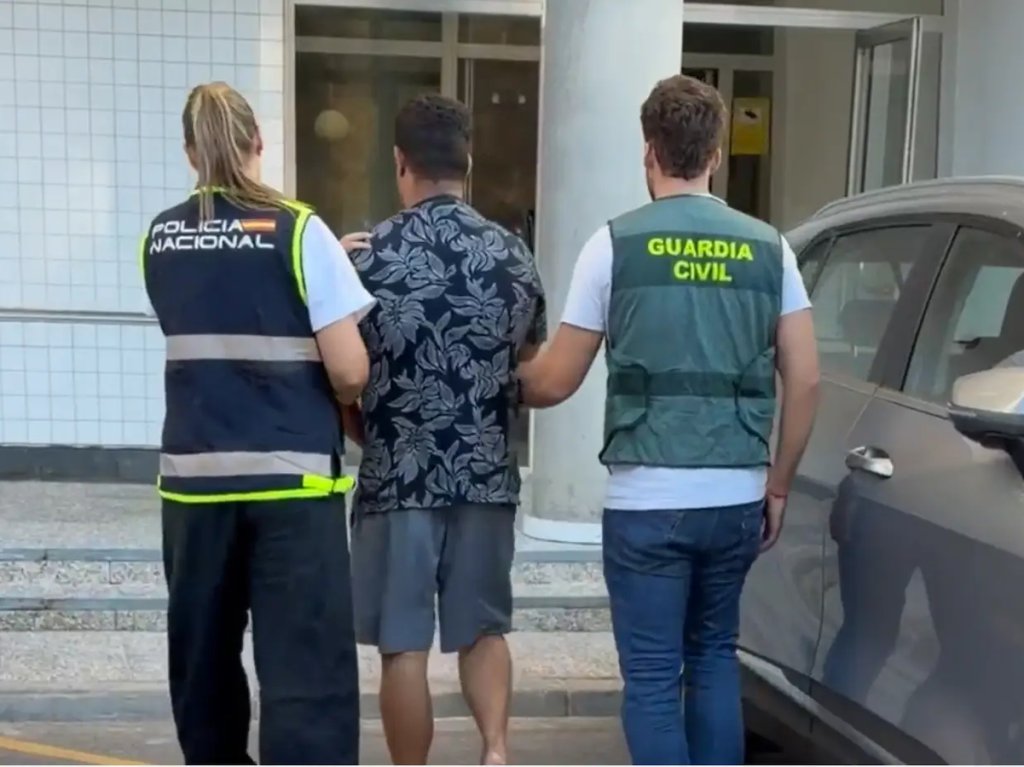
Police raids in Austria, Italy, Spain, and the United Kingdom resulted in six arrests linked to a smuggling network which is alleged to have moved migrants from mainland Europe to the UK by air, using forged documents.
According to Europol, which coordinated the operations on September 22, the gang used fraudulent papers to send migrants through airports in Europe's Schengen Area and on to Britain.
There also were ten house searches carried out on the action day, which resulted in the seizure of "ID documents, electronic equipment, evidence, and a large amount of cash," according to a statement released by Europol.
Fake identification papers and other forged documents
The scheme combined a mix of legal and illegal forms of travel; the majority of the migrants who made use of the smuggling program reportedly entered the European Union with genuine passports.
In most of the cases, they had even obtained valid Schengen tourist visas prior to entering the bloc. Once they had arrived in the EU, they were told to destroy their identity documents in order to replace them with forged papers produced by the smuggling gang.
Using these documents, the migrants were able to hide their true identity and thus travel across the EU and into the UK.
Many of the migrants who took part in the illegal scheme reportedly came from Afghanistan and Pakistan.
The routes identified in the investigation spanned across 17 countries, Europol said — all of which helped by providing and exchanging information linked to the investigation.
Read AlsoAuthorities across Europe stop smugglers bringing Vietnamese migrants to UK
A truly international criminal enterprise
Prior to the police raids, several other jurisdictions also assisted with the investigation, including law enforcement in Belgium, Finland, Germany, Iceland, Ireland, Sweden and the Netherlands; even the United States contributed information related to the operation.
Investigators identified multiple cells operated by the criminal group, with a major hub discovered in Vienna, Austria.
It is believed that many of the counterfeit documents provided by the gang were produced there.
Read AlsoAustrian authorities bust smuggling gang that facilitated over 100,000 illegal entries into the EU
Another base of the group in Spain also produced fake identification documents, authorities said.
The cell in Spain is believed to have made more than two million euros by selling over 1,000 false papers, which were sent across the world to places including the Americas and the Carribean islands.
Europol also said that the smuggling network is believed to have used other businesses to launder the money they made through their criminal activities — chiefly mobile phone shops.
Read AlsoSpain: Police break up gang accused of exploiting migrants in 'slave-like' conditions
Europol's expanding mandate in fighting smuggling gangs
Europol itself played a major role in the raids and investigation by being the main intermediary in the exchange of information between all the jurisdictions that supported the operation.
The Europe-wide law enforcement agency also coordinated all steps related to the raids and played a major role in the part of the investigation focusing on the financial aspect of the criminal enterprise.
In late 2025, Europol's mandate in combatting illegal entries into Europe was expanded by the introduction of new EU legislation that resulted in the creation of Europol's European Center Against Migrant Smuggling (ECAMS) in March 2026.
In addition to conducting its own investigations, the new unit also liaises closely with other EU agencies involved in fighting irregular migration, including Frontex and Eurojust.
Europol's role in the fight against migrant smuggling continues to grow across the bloc, since the criminal enterprises operating such schemes typically also engage in other activities such as the narcotics trade and money laundering.
Furthermore, breaking up gangs involved in irregular migration at the top levels often results in the fragmentation of many other aspects involved, including the recruitment of operatives who may be endangering the lives of other migrants.
Read AlsoEuropol launches new unit to fight migrant smugglers