
Migrant boats are attempting increasingly longer — and more dangerous — journeys across the English Channel, as maritime patrols of the area have significantly been beefed up in recent months. Some boats try to depart from spots in northern France, which are located up to five times further away than traditional routes used by irregular migrants.
About 50 people on a migrant boat set sail from the town of Port-en-Bessin in northern France on September 21. At the time of the writing of this article, the boat was still on its way to the British coast. The departure spot is north-west of the port of Caen, from where ferries normally sail towards Portsmouth and Plymouth. A straight line traced from there towards the British coast would see the boat end up somewhere between Worthing in Sussex and Portsmouth in Hampshire, much further west than the normal arrival point of most migrant boats, which aim for the Kent region around Dover.
Instead of intercepting the boat, French authorities decided it more prudent to escort it and thus ensure the safety of those on board, the local news channel France 3 Normandie reported.
The local Jobourg Coast Guard Operations Center (CROSS) later said it had dispatched two vessels to accompany the flimsy vessel.
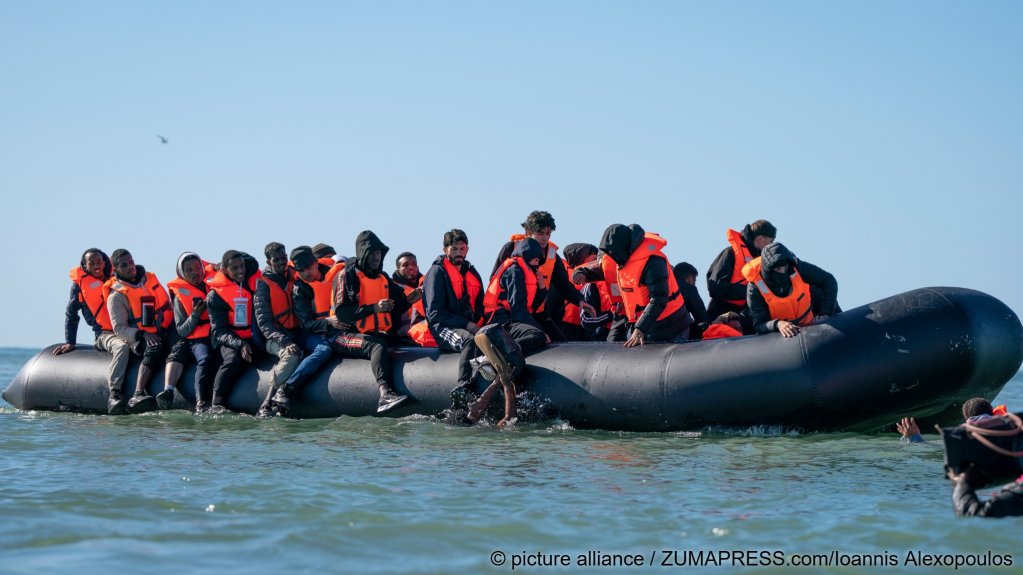
The shortest distance from Port-en-Bessin to the UK measures about 160 kilometers —nearly five times the distance that most irregular migrant boats take from the shores of Calais to Kent in England.
After departing from Port-en-Bessin, the small vessel reportedly stopped in nearby Varaville Beach to pick up more passengers.
Local media reported that eyewitnesses observed around 15 people jumping onto the boat there.
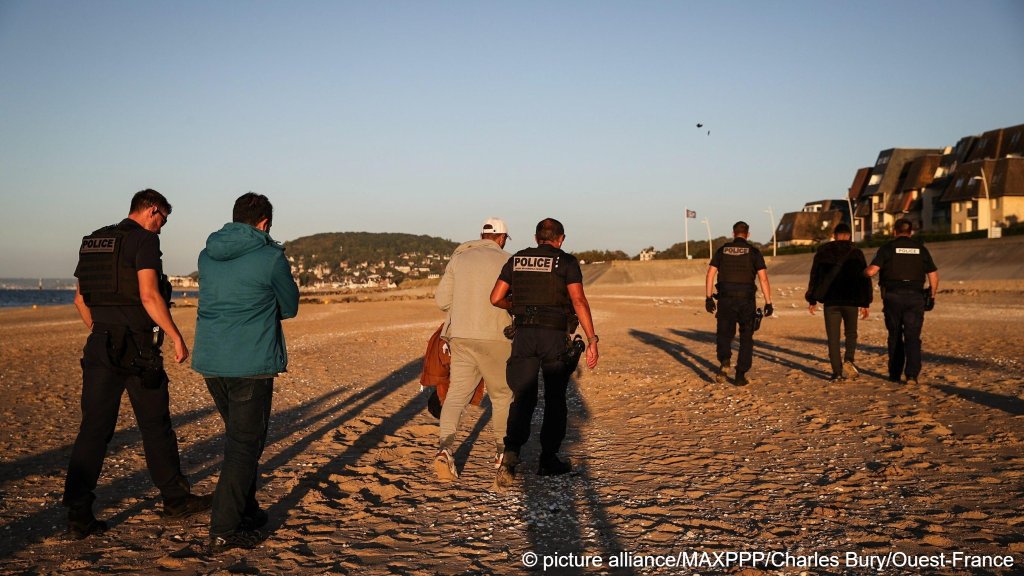
At another beach in the Calvados region of Normandy, Cabourg, police arrested at least four men who had been about to attempt to join a boat. Pictures from the French regional news source Ouest France showed the men being marched off the beach by police officers.
Read AlsoUK: Prime Minister Burnham promises to be 'relentless' on migrant Channel crossings
Increase in crossing attempts from distant locations
Since Britain increased the funds it pays to the French government to help stop irregular crossings in the English Channel earlier this year, smugglers have moved their business to launchpads along the coast, which had previously been considered unthinkable.
The French government issued a warning last week that the starting points of these journeys were being moved further and further southwest.
Read AlsoUK and France expand Channel policing
According to government numbers, the Seine-Maritime prefecture has already recorded 56 attempted departures since the beginning of the year, which compared to only 31 for the entire year of 2025.
Border police have also reported changing tactics being used by smugglers, including the use of larger vessels to attempt crossings to the UK; a few months ago, a total of 230 migrants managed to reach Britain in one go aboard a rigid inflatable boat measuring 18 meters, setting a new record.
Read AlsoAre Channel dinghies getting bigger?
Dangers of irregular journeys remain
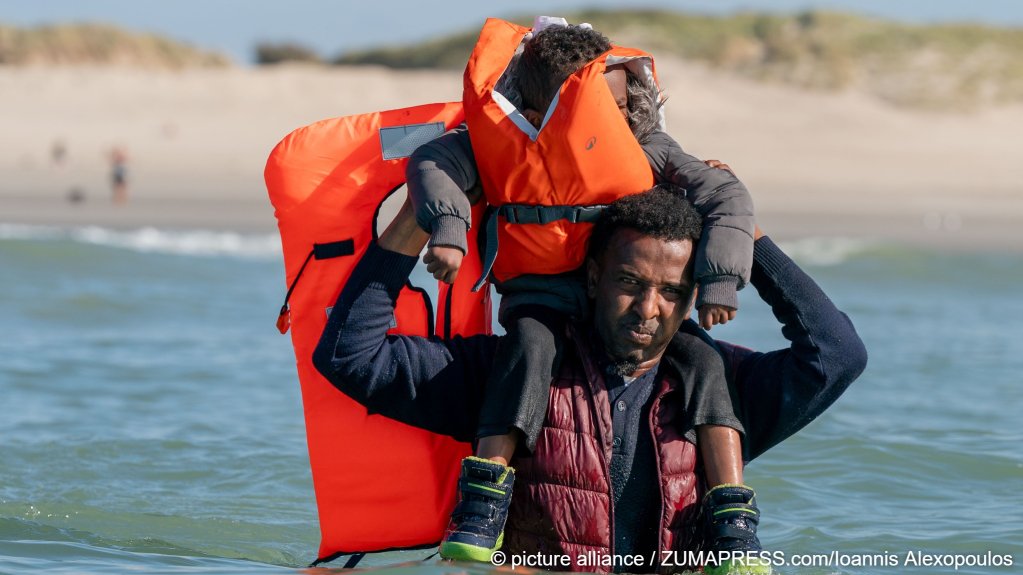
Meanwhile, the number of casualties in the English Channel also continues to rise. Since the beginning of the year, at least 17 people are known to have died during the perilous journey according to Oxford University's Migration Observatory. The UN Migration Agency's Missing Migrants have recorded at least 21 deaths on the route from mainland Europe to the UK since the beginning of the year, although this includes, in addition to those who put to sea and died, migrants who have died of various known and unknown causes while waiting to cross, as well as those who attempted to board lorries or trains in the vicinity of the Channel coast.
Most of the fatalities over the years have been directly linked to small, unseaworthy boats being crammed with too many people on board, as smugglers attempt to make the biggest possible gains with each irregular journey.
In some instances, migrants might not die due to drowning at sea but as a result of being crushed or suffocated on account of excessive numbers of migrants on board the vessels.
The fact that the Channel remains one of the busiest shipping lanes in the world further complicates these journeys.
Read AlsoChannel crossing: French coast departures claim more lives as migrants attempt to reach UK
Frontex to support patrols at sea
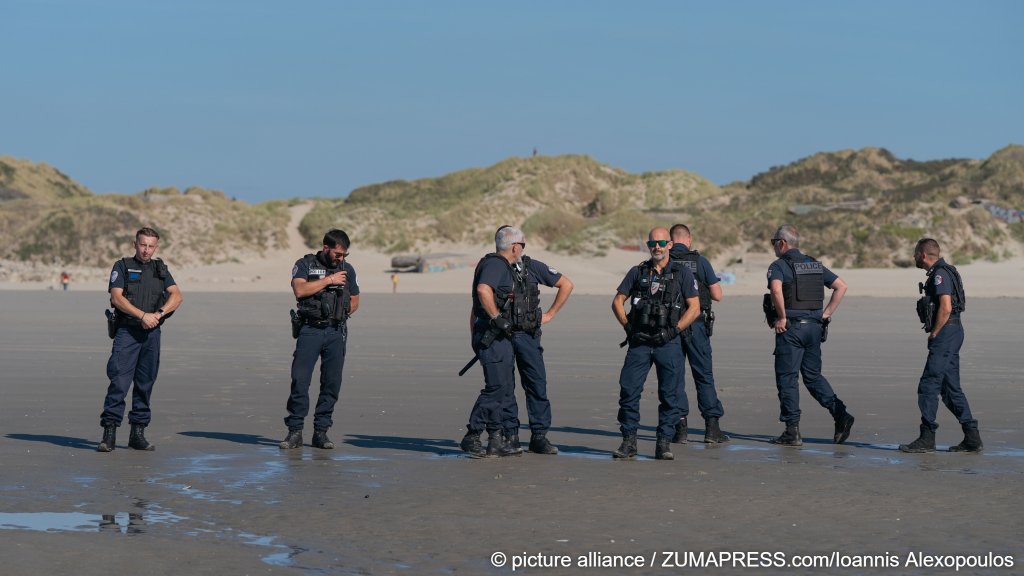
In order to ensure better surveillance of the English Channel, the European external border agency Frontex announced that it will also deploy two of its vessels to the region.
The two Frontex ships, however, will not directly participate in interception or rescue operations at sea, but will rather support French patrols.
Irregular arrivals in Britain remain one of the biggest political issues in the country amid a strong shift in public support for hard-right parties with anti-migrant policies — despite the fact that recent policies introduced by the Labour government appear to work, with arrival rates dropping to a seven-year low.
Read AlsoWhat is the Patriot Platform, the group behind the anti-migrant protests in the UK?