
More and more migrants and refugees stuck in Tunisia are hoping to return home — though the extent to which this is a 'voluntary' decision has increasingly come into question. Some reports meanwhile indicate that signing up for such returns can actually expose migrants and refugees to even greater harm.
Humanitarian and rights groups say migrants and refugees in Tunisia are effectively being pushed out of the country against their will — even if on paper, this appears to be a 'voluntary return.'
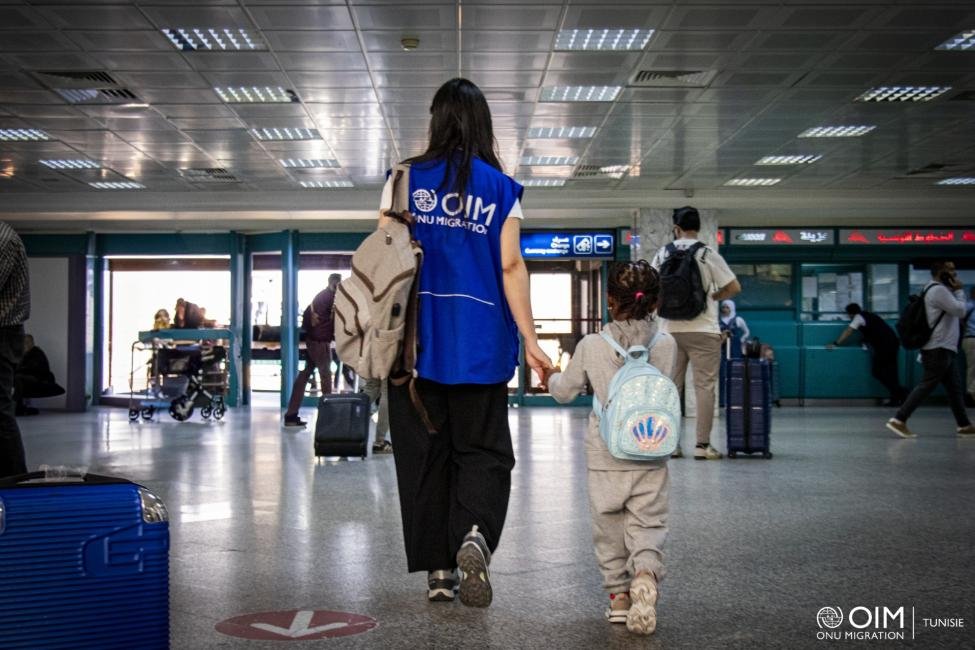
According to the IOM, a little over 5,000 migrants returned to their countries of origin with the UN body's help in the first half of 2025. In August 2026, the UN organization noted that it had helped a little over 4,000 migrants return to their countries of origin since the beginning of the year.
Countless more migrants in the North African nation have registered with the IOM's voluntary return program in order to eventually get back to their home countries for free; but the overall mood is one of being pushed out of Tunisia rather than a departure of free will.
Migrant support groups say that foreigners are tacitly being forced to leave the country, with voluntary return being used as leverage, as political pressure from the government and racist attitudes in society appear to increasingly converge.
Read AlsoTunisia: Authorities register a 'record number' of voluntary returns
Racism, discrimination and violence
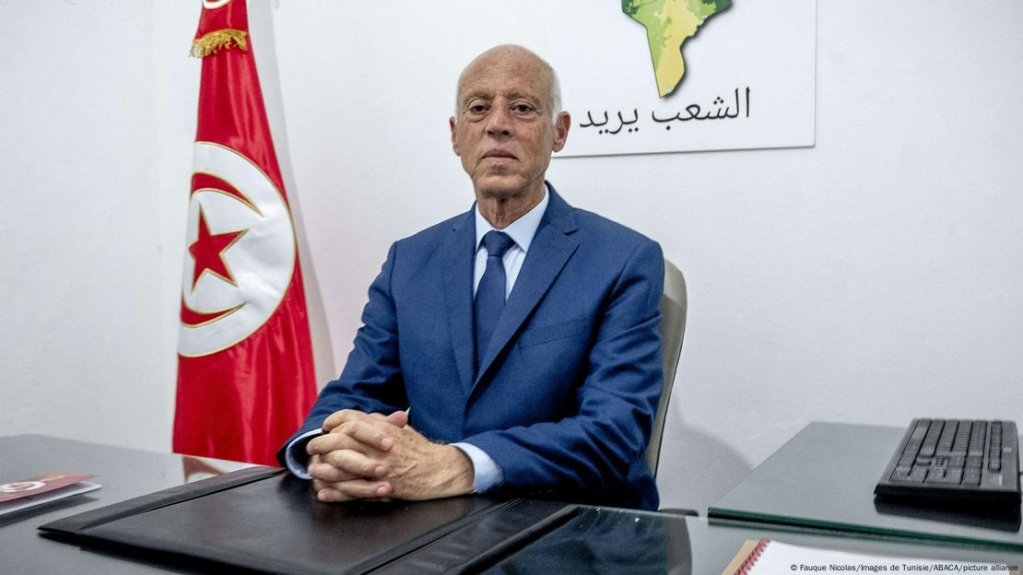
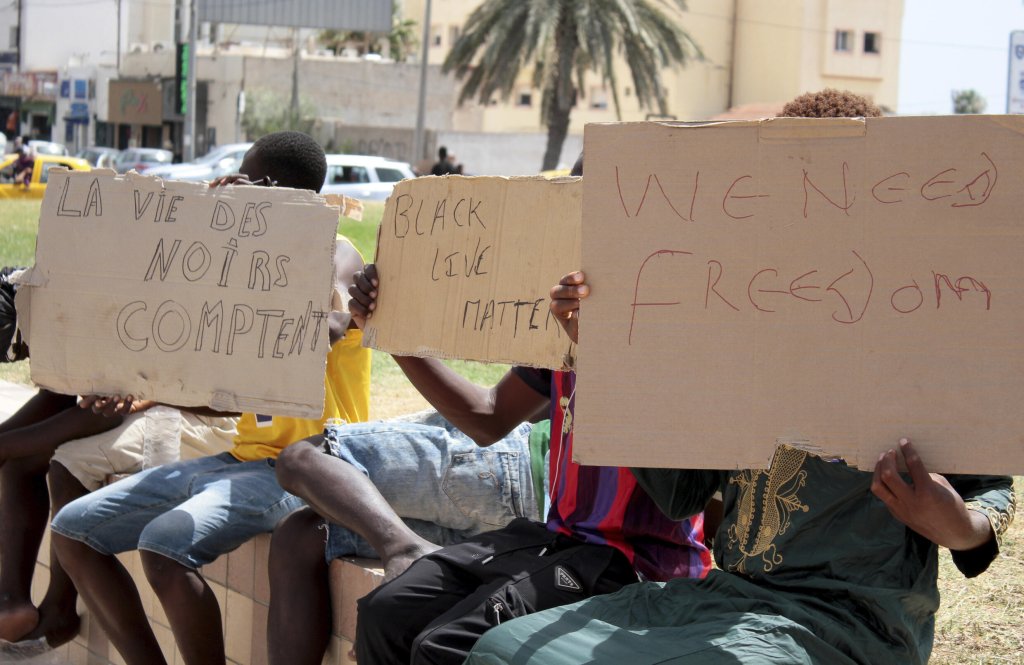
Many migrants in Tunisia say that they have been turned into scapegoats for many of the country's ills under the leadership of Tunisian President Kais Saied.
In 2023, Saied said in an infamous speech that "hordes of illegal migrants" were posing a demographic threat to the country, and has since repeated statements with similar xenophobic undertones.
Sub-Saharan nationals, in particular, say that there are undercurrents of racism towards black Africans in Tunisian society, with reports of instances of violence breaking out between communities.
They say that living conditions are becoming increasingly difficult and less welcoming for many of them, and that going back home is the only option for them to live a life of peace and dignity.
This is why voluntary return programs have been gaining popularity in Tunisia — often as the only remaining way out of what they say is systemic discrimination.
Because of this, humanitarian organizations in Tunisia stress that such returns should not be classified as "voluntary" on account of all these pressures.
Read AlsoTunisia: Presidential scapegoating stokes fear and support
Tunisian return program shrouded in mystery
As reported by the AFP news agency, there's also another return program to send migrants back to their home countries, which is run by the Tunisian government directly.
However, little is known about how this program is run, with reports indicating migrants being held in a major "return hub" near the Tunisian city of Sfax for months on end in squalid conditions.
Humanitarian groups told AFP, on condition of anonymity, that there was a worrying lack of official information on how the government's return program is run.
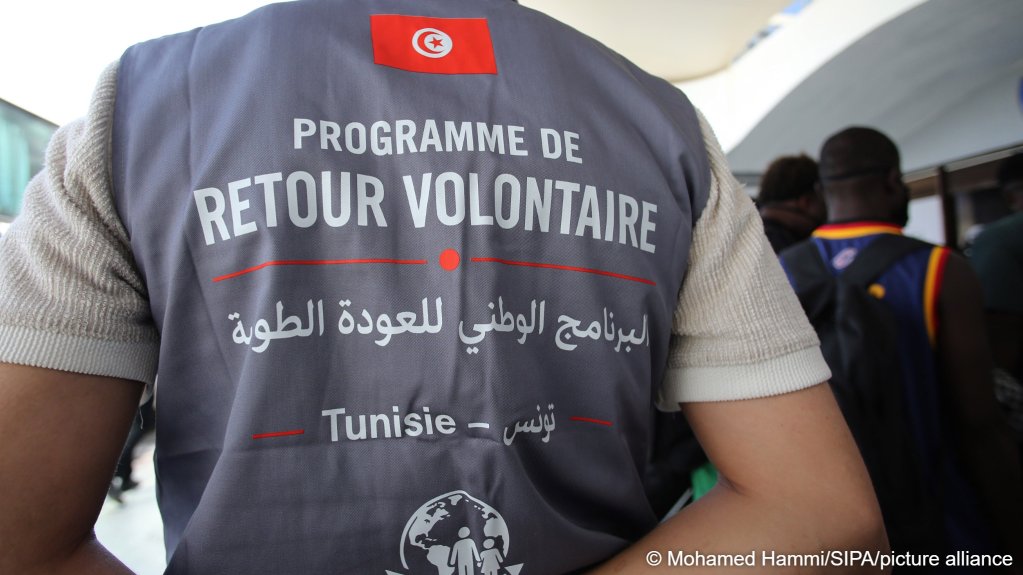
One source interviewed by AFP claimed the Tunisian return program was "clearly expulsions," adding that "[a]uthorities say that migrants stay at the so-called 'return hub' for about two weeks, whereas we know that that process can take months, especially with people without documentation."
AFP said the source wanted to remain strictly anonymous, adding that at the same time, Tunisian authorities had failed to respond to several requests for response to these allegations, as well as an appeal to allow their team to visit the center in Sfax.
The only known information about the government program is a statement given to AFP in June by a Tunisian National Guard official, who told the news agency that "nearly 5,000 migrants had been sent to their home countries in the preceding 12 months."
The official added that "near-daily" return flights were being scheduled, without providing any documentation to corroborate this statement.
Read AlsoTunisia under harsh criticism for anti-migrant measures
Reports of potentially deadly push-backs
Other sources meanwhile told AFP that there was also an emerging trend of migrants being sent to the wrong country — alleging furthermore that this might be a deliberate push-back strategy.
"We've seen that more people have been arriving in Libya lately," one anonymous source told the news agency.
The UN said in July that it was concerned about this "alleged system of mass detention, expulsion and trafficking" emerging along the Tunisia-Libya border.
Read AlsoIbrahim's tale: 'Tunisia has become more dangerous than Libya for sub-Saharians'
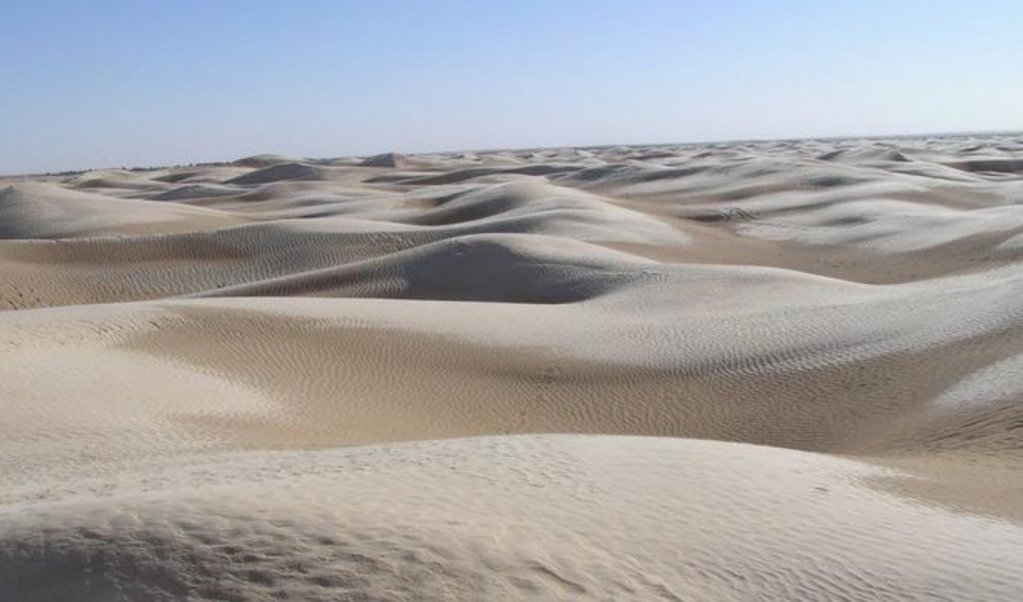
For years, reports suggest that Libya and Tunisia have been engaging in push-backs of migrants across their shared borders. UN agencies, news agencies and migrants themselves have documented these events, with pictures and videos from remote regions near the border and accounts of being left, often without much food or water and no form of transport.
In addition to the allegations of grave human rights abuses chronicled during these events, there are also strong indications of deaths caused by dehydration in the desert as well as allegations of summary executions.
Tunisian and Libyan authorities have ignored requests by AFP to comment on these allegations.
Read AlsoUN highlights allegations of violence against migrants at Tunisia-Libya border
NGOs increasingly under pressure in Tunisia
Fears of reprisal seem to have rendered many human rights activists seeking to remain anonymous in interviews. According to the few who still speak out, Tunisia's government under Saied's leadership has become increasingly authoritarian.
Most groups are small and run with the help of volunteers, increasing the risk of easy identification and detection; the government has cracked down significantly on multiple organizations in recent years.
Read AlsoTunisian aid workers convicted of assisting migrants but will go free
The authorities in Tunis have widened this offensive to even include larger bodies, suspending the UN refugee agency (UNHCR) from operating in 2024, hindering thousands of refugees from accessing the assistance they need.
Other NGOs have also said they are working under increasingly difficult conditions in Tunisia, with some organizations saying they were being monitored closely by authorities.
Read AlsoTrial of NGO officials over aid to migrants in Tunisia postponed
Rights groups criticize EU partnership with Tunisia
In July, a large group of NGOs joined forces and issued a statement condemning the state of affairs in the country.
The joint statement, penned by more than 40 organizations including Human Rights Watch and Amnesty International, not only highlighted the fact that "refugees, asylum seekers and migrants have faced racist violence" in Tunisia.
It also stressed that they had been gathering reports and testimonies of "arbitrary detention, collective expulsions, abuse, torture and other ill-treatment," which they said needed to be taken very seriously.
The statement was issued on the three-year anniversary of a deal signed between Tunisia and the EU, under which Brussels committed to boost the North African country's border forces to stop irregular departures to Europes.
The NGOs claimed in the letter that this made the European Union "complicit" in many of the current developments affecting migrants and refugees in Tunisia.
EU response
At the time, a European Commission spokesperson told InfoMigrants by email: "The Commission takes allegations of mistreatment and violation of human rights seriously. Safeguarding protection for those in need and ensuring respect for the human rights of migrants, refugees and asylum seekers, including respect of the non-refoulement, are fundamental principles of our work."
"These principles need to be respected in all Commission’s initiatives, including in EU-funded projects related to migration."
In July, an EU Commission spokesperson told InfoMigrants: "In Tunisia, our support remains multifaceted, addressing various aspects including border management, migrant smuggling, protection, legal migration, assisted voluntary returns and sustainable reintegration.
"Under the Strategic and Comprehensive Partnership, the EU and Tunisia agreed to cooperate on migration and mobility based on the respect for human rights of migrants and refugees, in accordance with obligations under international law. The EU remains engaged to implement migration-related priorities and address migration challenges in a comprehensive manner.
"Our cooperation goes from protecting vulnerable migrants to addressing the root causes of illegal migration through economic investment, combatting illegal migration and criminal gangs that smuggle migrants, fostering returns and readmission, and the implementation of a Talent Partnership to promote labor mobility."
Read AlsoNGOs criticize EU-Tunisia migration deal on third anniversary of its signing
with AFP