
At least 17 Afghan migrants, including six children, have died from extreme dehydration in a remote desert region along the Iran-Afghanistan border, says Iranian human rights group Haalvsh.
At least 17 Afghan migrants, including women and children, have died from severe thirst in a remote desert border area in southeastern Iran, the human rights organization Haalvsh said.
That's according to reporting by news agency Khaama Press and the Kabul Tribune from Tuesday (September 15) citing Haalvsh.
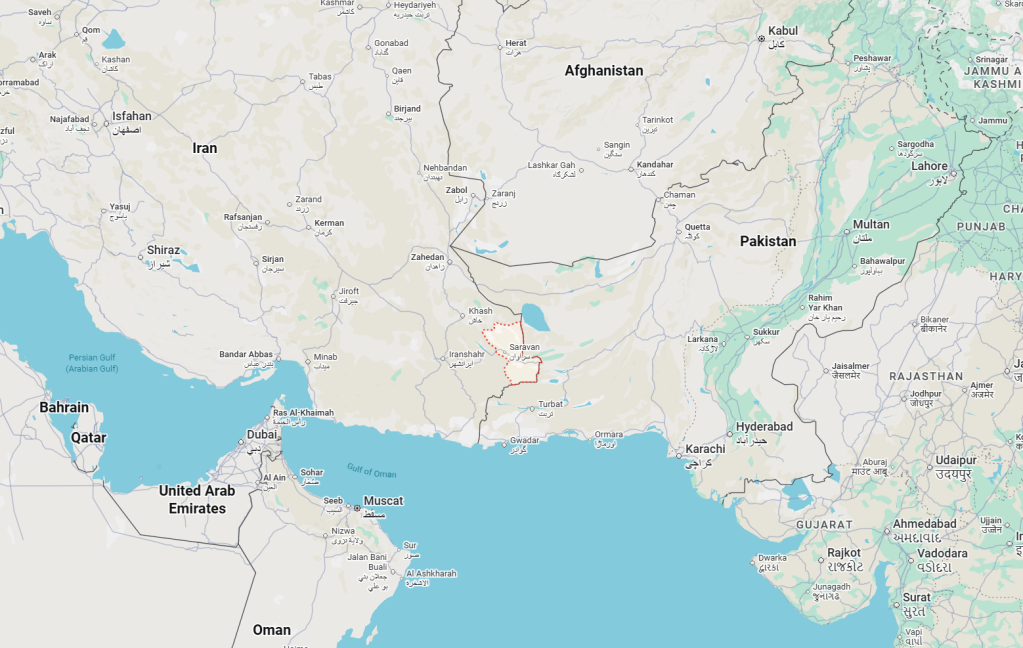
The tragedy reportedly occurred on September 10 near the Routak border crossing in Saravan County, located in southeastern Iran. The county borders Pakistan some 150 kilometers away from the southern Afghan border. The group reportedly became stranded in the arid terrain without access to drinking water.
According to the two media outlets, among the victims were five members of a single family from Baghlan province in northern Afghanistan: a 45-year-old mother and her four daughters, aged 14, 16, 18, and 22.
Haalvsh, a five-year-old prominent human rights organization that monitors, documents and reports on human rights violations in Iran, said that at least six children under the age of 14 were also among those who lost their lives.
The news comes less than two months after five people were found dead and 14 remained missing in Afghanistan's Nimruz province. The group was reportedly stranded in the desert while attempting to reach Iran via an irregular border route.
Read AlsoAfghan refugees and Iran's poorest bear the brunt of war
Death from dehydration
According to relatives and witnesses, Khaama Press and Kabul Tribune reported, male travelers in the group got separated from the women and children during the journey. Left without adequate water, the women and children continued across the desert, where several collapsed and died within short distances of one another.
Due to a lack of capacity in Saravan, the bodies of the victims were reportedly transferred to a morgue in the nearby city of Khash. Relatives living in Saravan were preparing to hold funeral prayers for the deceased.
Each year, thousands of Afghans attempt dangerous irregular border crossings into Iran to escape economic hardship and instability. Many are forced to take treacherous desert routes where they face extreme heat, dehydration, and exploitation by smugglers.
Of late, the number of Afghans risking these dangerous journeys has been increasing.
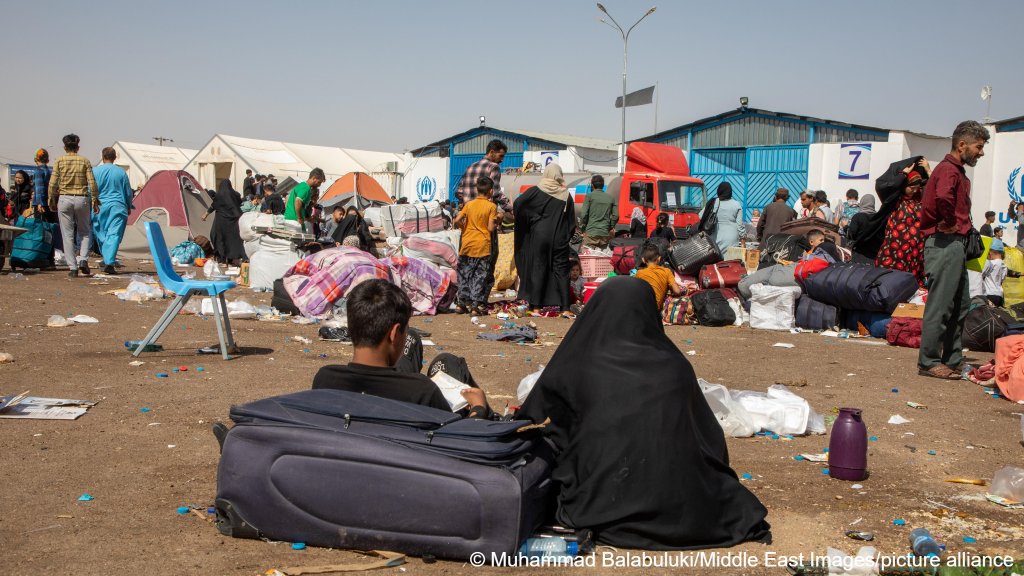
In recent months, moreover, many Afghans have fled or been forcibly returned from Iran following the conflict and reports of worsening treatment of migrants. Hundreds of thousands are estimated to have returned in 2026 alone, often under pressure from authorities.
At the same time, economic desperation inside Afghanistan continues to push people to leave. Iran remains a key destination due to its proximity and demand for low-wage labor, particularly in construction and agriculture. It is also on the route towards Europe.
Read AlsoFive years of Taliban rule, displacement, migration, deportation and a human rights crisis
Worsening crisis in Afghanistan
Humanitarian conditions inside Afghanistan have sharply deteriorated, further pushing people to seek safety abroad.
The Norwegian Refugee Council (NRC) recently warned that Afghanistan has become one of the world's most neglected crises, with aid funding falling to critically low levels. According to UN figures, only about 16 percent of the 1.71 billion US dollars required for humanitarian assistance in 2026 has been secured.
Afghans remained the largest group seeking protection in the EU during the first half of the year, lodging around 39,000 applications, according to data from the EU Agency for Asylum (EUAA).
Overall, new asylum requests across the 27 EU member states, Norway, and Switzerland dropped by nearly 17 percent compared to the same period in 2025.