
Lebanese military rescued at least 22 people after a migrant boat broke down and sank off the northern coast near Tripoli, in what authorities described as an attempted smuggling operation.
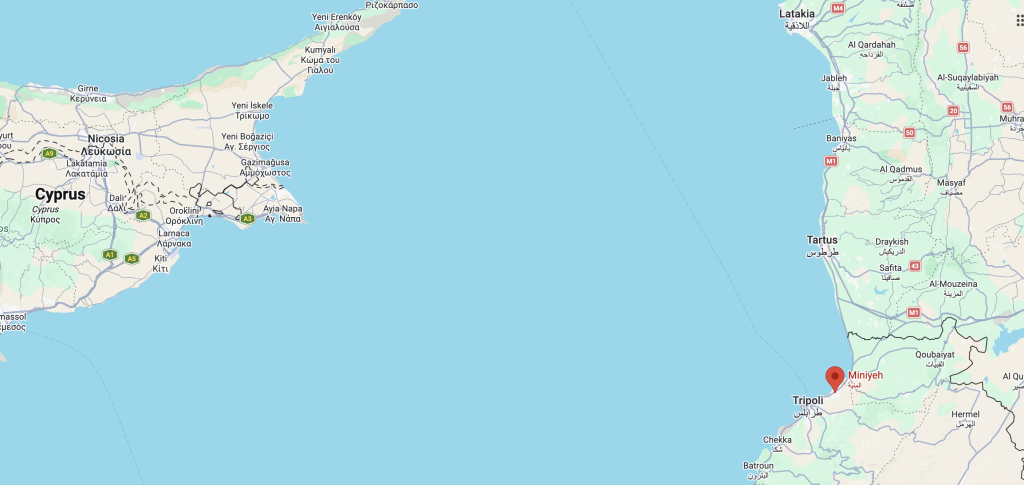
The Lebanese military said on Tuesday (September 8) it rescued 22 people after their boat broke down and sank off the northern coast of Lebanon near the city of Tripoli during an attempt to leave the country by sea.
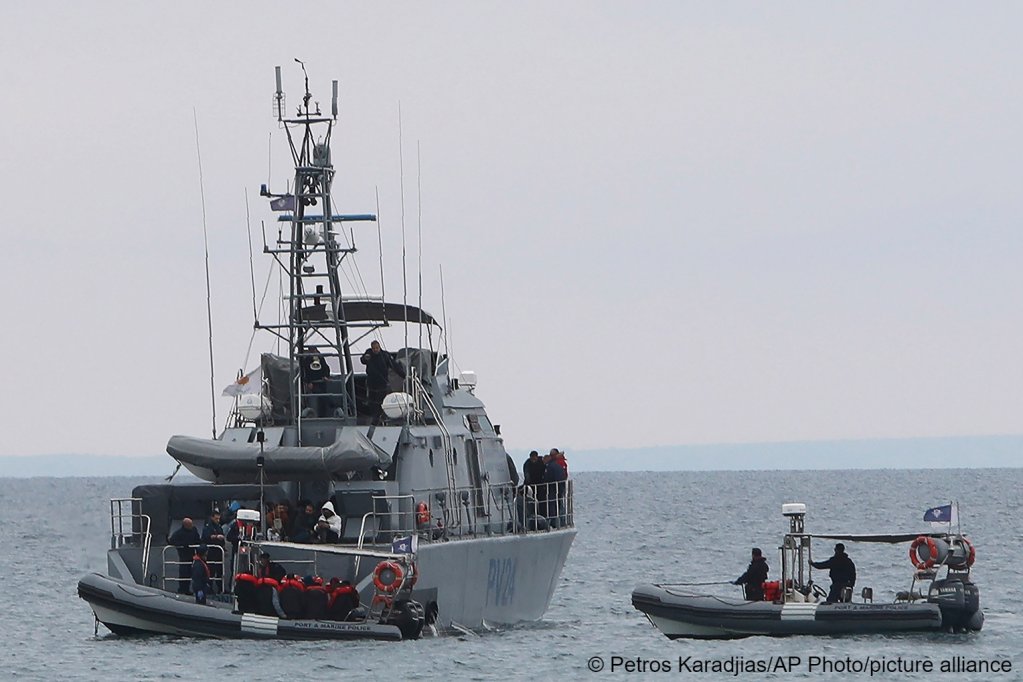
A military statement said naval forces, working with the civil defense maritime rescue unit, the Red Cross and local fishermen, carried out a search-and-rescue operation about three kilometers off the coast after the vessel caught fire and went down. It said 22 people were rescued, some wearing life jackets, while efforts continued to locate additional passengers; the total number on board was not specified.
The official National News Agency reported that most of those on the boat were Syrian nationals and were handed over to Syrian authorities at the Al-Arida border crossing, according to regional reports. The remaining passengers were Lebanese. Some survivors sustained minor injuries and burns, three Syrians were taken to hospital with severe burns.
The boat is believed to have departed from the Miniyeh area close to Tripoli. During the operation, a military helicopter was deployed and several Red Cross teams met survivors at the port of Tripoli.
Read AlsoIOM warns that migration routes to Europe are becoming more dangerous
Route to Cyprus
Migrants and asylum seekers leaving Lebanon by sea typically head toward Cyprus, the closest point of entry to the European Union, less than 200 kilometers away. Lebanese authorities have repeatedly announced the disruption of smuggling attempts along the northern coast, including a late-August interception of 25 Syrians near Dinnieh in northern Lebanon near Tripoli.
Syrians make up a significant share of those attempting irregular departures. The UN refugee agency (UNHCR) estimates that around 1.12 million Syrians remain in Lebanon as refugees, while around 1.7 million Syrian refugees have returned from abroad since December 2024, including about 718,600 from Lebanon as of September 3.
Syria’s 13-year civil war, which ended with the overthrow of Bashar al-Assad in late 2024, killed more than half a million people and displaced around half the population. Despite a degree of stabilization, conditions in many areas remain difficult, and for many Syrians in Lebanon, return is not seen as a durable solution.
Since late 2024, nearly 3.6 million Syrians have gone back to areas of origin, but they face widespread destruction of housing and infrastructure, frequent power cuts, limited access to water, health care and education, and scarce formal employment, according to UN agencies and humanitarian groups. The World Bank estimates direct physical damage at around 108 billion US dollars, with reconstruction needs of roughly 216 billion US dollars -- about 10 times Syria’s 2024 GDP. UNHCR cites lack of housing and basic services as the main barriers to safe, sustainable return, conditions that some refugees say push them to consider irregular migration instead.
Read AlsoSyria: Millions return to poor infrastructure
Emigration amid economic and security woes
Lebanese nationals also feature among those seeking to leave by boat, driven by the country’s prolonged economic crisis. Around 730,000 Lebanese have emigrated since January 2020.
The World Bank projects Lebanon’s economy will contract by 6.4 percent in 2026 after a tentative 4.2 percent expansion in 2025, citing renewed conflict since March that has damaged housing and infrastructure, displaced communities, disrupted supply chains and hit tourism and domestic demand. Inflation is forecast to rise to 17.5 percent this year, further eroding household purchasing power.
Public debt remains unsustainable and debt-restructuring negotiations have yet to begin, while public finances face growing pressure from humanitarian and reconstruction needs.
Maritime departures from Lebanon’s north have resulted in multiple fatalities in recent years. In 2022, at least 76 people died when a migrant boat sank off the Syrian coast after departing from Lebanon.
Survivors and local officials have at times accused naval interception tactics of contributing to sinkings, allegations that underscore the tensions between enforcement operations and humanitarian protection.
Read AlsoTransplanted from Syria to Lebanon to Cyprus: A father's determination to save his son
Instability and maritime incidents
The rescue comes amid ongoing hostilities in southern Lebanon. Despite a June de-escalation framework between Israel and Lebanon, deadly incidents have continued, with rights groups reporting civilian casualties in Israeli strikes in early September. More than 4,300 people have been killed and 12,400 wounded in Lebanon since March, according to the Ministry of Public Health.
More than 10 EU countries have expressed willingness to contribute to a mission to train and advise the Lebanese Armed Forces as the UN peacekeeping force (UNIFIL) prepares to draw down by the end of 2026, according to diplomatic sources.
Read AlsoRefugees and migrants should not be exploited as political tools in campaigns, warns UN
With AFP and Reuters