
A new PISA study shows German pupils performing worse than ever in reading, math and science, with many drawing the link between the children's social and language backgrounds and their success in education.
Germany's Migration Commissioner Natalie Pawlik wants to fight back against the nation's poor PISA performance by introducing a mandatory year in preschool.
The Program for International Student Assessment (PISA) tests 15-year-old students in reading, math and science every three years in many nations across the world. Last year's assessment, which included over 90 countries, shows German students scoring worse than ever before. The results published this week are below even the first ever PISA research in 2000, which had triggered a so-called "PISA shock" and an education reform in the country.
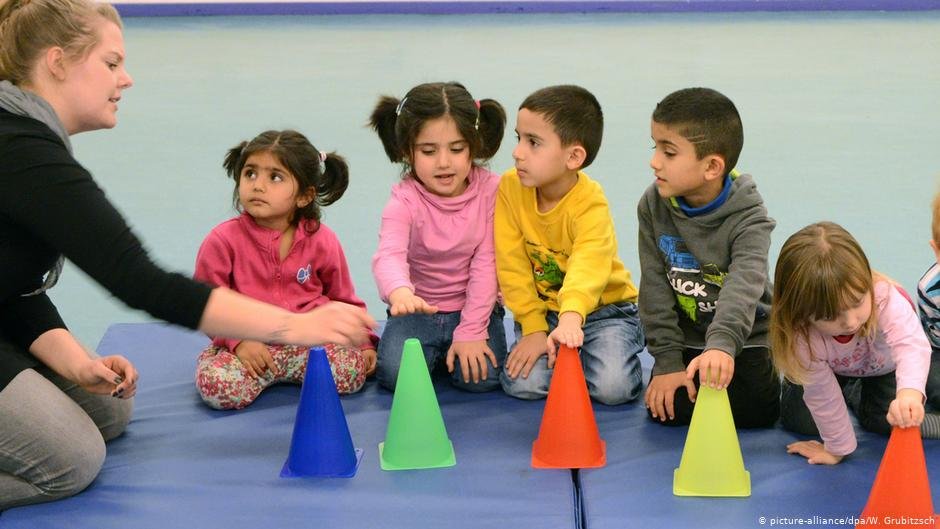
Some commentators are questioning whether some of the later educational challenges could be due to a rockier earlier start for children who may enter pre-school with little or no German-language skills acquired at home, or perhaps with parents who had very different educational backgrounds in other countries, prior to their arrival in Germany.
Read AlsoGermany: Study finds immigrants earn less than non-immigrant counterparts
An extra year
Now, Migration Commissioner Pawlik called for young children to attend an extra year in preschool or kindergarten as a way to ease them into the German education system.
"Language and social skills are two important preconditions for day-to-day schooling," she told the German dpa news agency.
She also called for mandatory language testing as a way to highlight which students may need additional help.
"PISA shows once again: In Germany, social background and familial circumstances have more impact on the child's education and future than in other countries," she told the agency, saying that children with migration backgrounds living in troubled neighborhoods were bearing the brunt.
Read AlsoGermany cuts funding for integration of refugees
Is it really about the children's origin?
Other prominent voices, however, questioned the direct link between students' origins and their school performance.
"The dividing line is not between young people with and without an immigrant background, but between young people from socially privileged and socially disadvantaged families," says Samuel Greiff, the national project manager for PISA in Germany.
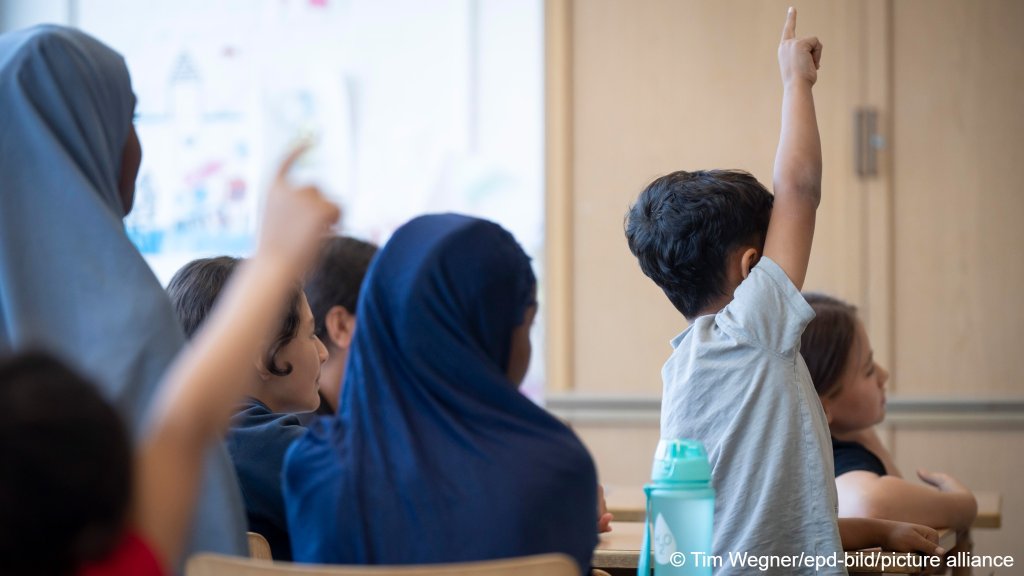
"The question is how well the education system is prepared for differences," he said.
Greiff pointed out that the impact of the socioeconomic status is "about three times stronger in Germany than in Canada."
"Many countries manage to transform differing backgrounds into a strength of diversity," he added.
The researcher also pointed out that the 2025 PISA results still place Germany roughly in the middle of the pack.
"We aren't dramatically behind," Greiff said. "But we are not living up to our own standards as an education nation. We are not among the top performers."
Read AlsoHow Philippines' schools embraced German language
Merz urges German states to work with his government
On Wednesday (September 9), Germany's Chancellor Friedrich Merz also weighed in on the issue, telling lawmakers that education was one of the main responsibilities of the state.
He called the PISA results sobering and urged Germany's 16 states to join forces with the federal government to tackle the issue.
At the same time, the German leader warned that "education and upbringing cannot be outsourced to the state."
"The families, the parents are also a part of it and bear responsibility," Merz said. "If we face it together, then we can solve the problem."
Read AlsoAustria introduces fines for migrants who drop out of language and integration classes