
Four small boats from Libya arrived on Wednesday, adding to more than 250 people who reached Crete earlier in the week. Greek authorities are pursuing a case against a 14-year-old South Sudanese national accused of piloting an earlier boat from Tobruk to Gavdos.
Greek authorities said four small boats carrying 155 migrants arrived on Crete and nearby Gavdos on Wednesday (September 2), underscoring the island’s growing role as a maritime entry point to Greece from North Africa. The Greek newspaper Kathimerini reported that the arrivals came as authorities reported no crossings that day from Turkey to Greece’s eastern Aegean islands.
The Hellenic Coast Guard said 72 men, two women, and 12 children were rescued from two vessels in difficulty south of Crete in separate operations. Another 58 men, eight women, and three children were found after reaching beaches on Crete and Gavdos, a small island south of Crete.
More than 250 people had arrived on Crete during the previous two days, according to reports citing Greek authorities. The increase adds pressure to local reception arrangements as the southern route from Libya becomes more prominent.
Read AlsoOver 300 migrants rescued off southern Crete
Crete route and recent arrivals
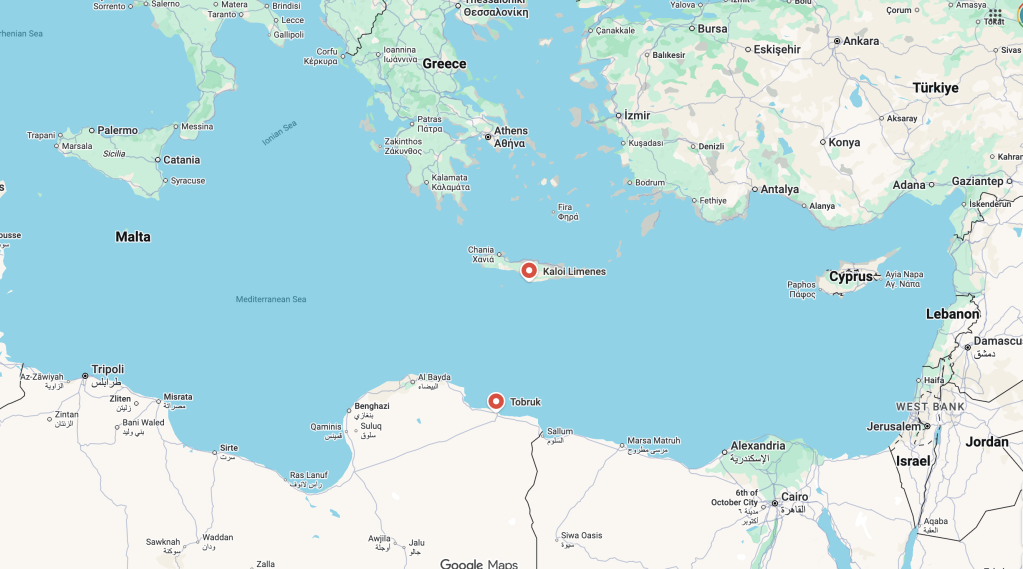
Crete and Gavdos lie along a longer and more hazardous sea route used by people departing from eastern Libya, including the Tobruk area. Greek authorities have said that arrivals through Crete have increased relative to the historically more-used route from Turkey to the eastern Aegean islands.
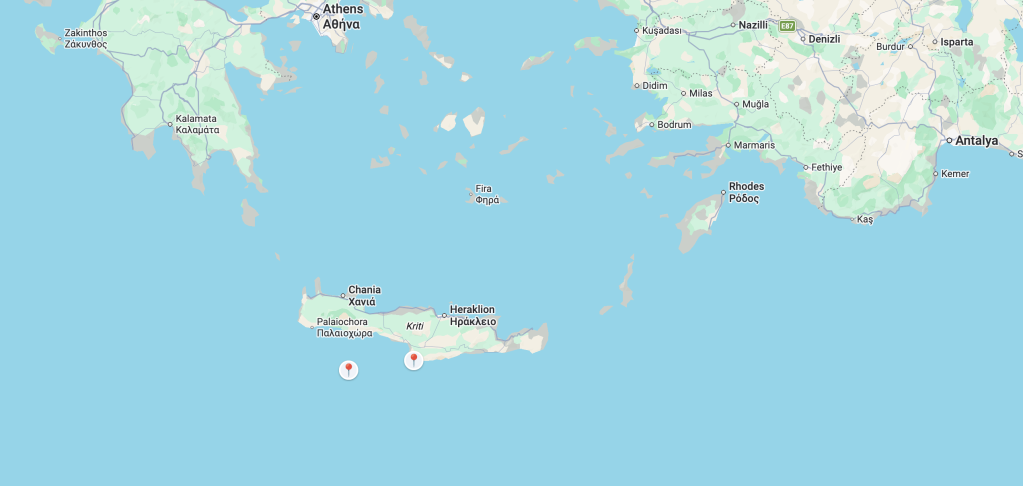
Nearly 25,000 people had entered Greece so far this year by land and sea, according to United Nations data; around 13,000 of them reportedly arrived on Crete. Greek authorities have established two temporary reception facilities on the island in response.
The composition of arrivals reflects wider migration patterns across the Mediterranean, involving people from the Middle East, South Asia, and African countries. Many seek asylum, family reunification, work, or onward movement within Europe, though individual circumstances and legal claims vary.
Read AlsoDozens of migrants reach Greece in 24 hours
Investigation involving a minor
Separately, Greek authorities arrested a 14-year-old South Sudanese national after 43 people -- 42 men and one woman -- were found in the Kamarelles area of Gavdos on September 1. The group was transferred first to local temporary accommodation and later to facilities in the Chania area of Crete.
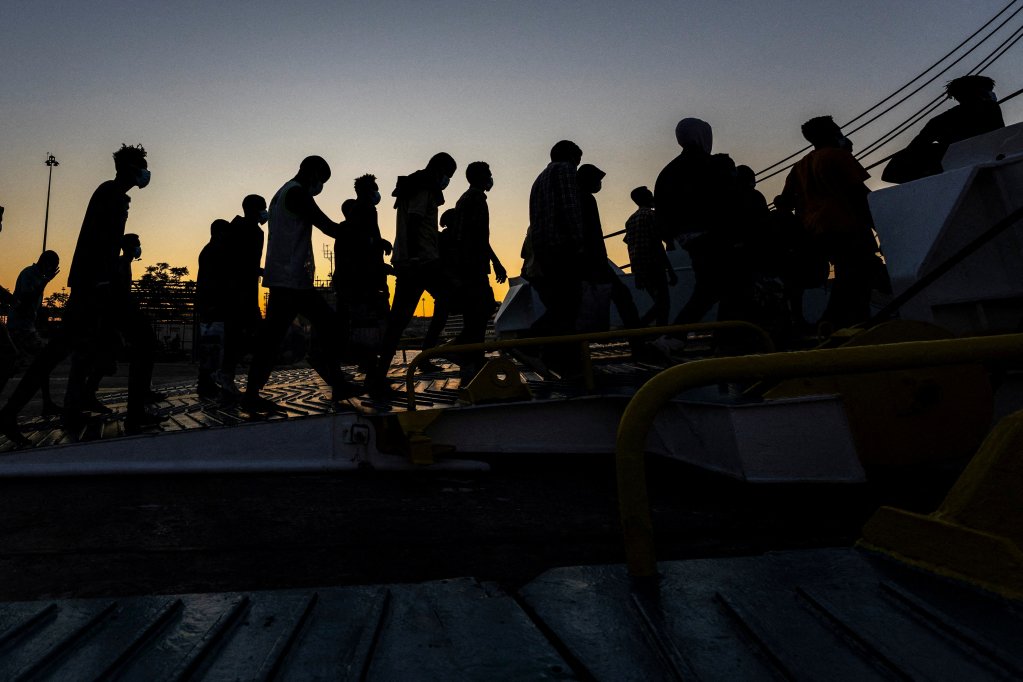
According to the Coast Guard, other passengers identified the teenager as the person who operated the boat from Tobruk to Gavdos in exchange for payment. Authorities are preparing a case file alleging facilitation of unauthorized entry and endangerment. The preliminary investigation remains ongoing, and the allegations have not been tested in court.
The case highlights a recurring concern in migration enforcement: minors may be among those accused of piloting vessels, including where they may themselves be migrants with limited agency in a smuggling operation. Reporting should distinguish carefully between an arrest, an allegation, and a judicial finding.
Earlier arrests of minors on smuggling-related charges
The September arrest follows a series of cases in August in which Greek authorities detained several minors on suspicion of piloting migrant boats from Libya to Crete. In mid-August, four boys who said they were aged 14 to 17 were arrested after allegedly bringing 229 people to Crete in four boats. Two adult men were also detained in connection with two additional boats carrying 132 people, according to Kathimerini.
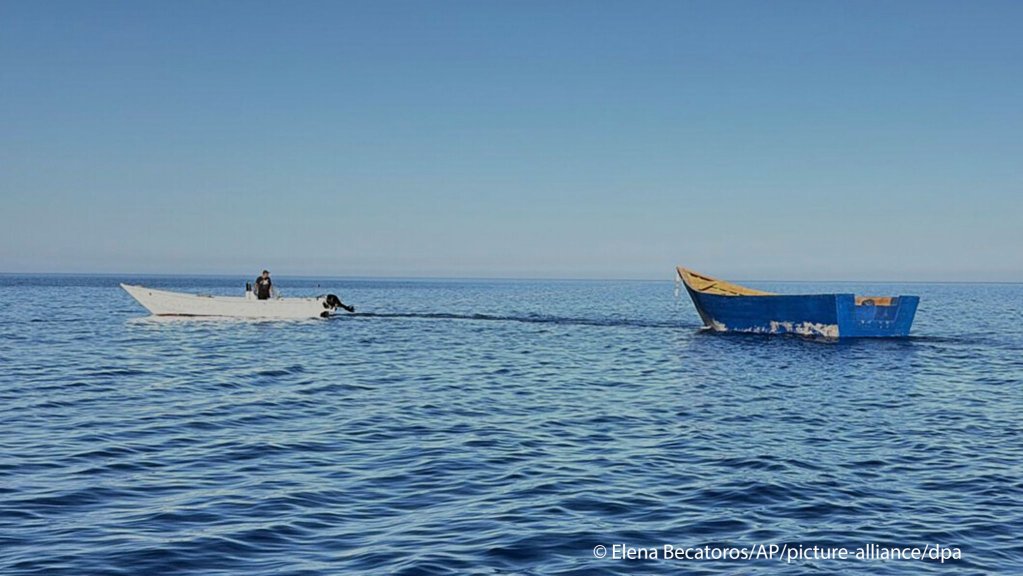
All six suspects were reported to be from South Sudan and faced charges including “exposing their passengers to danger” and “facilitating illegal entry to Greece,” as described in Greek media accounts. Reporting at the time noted that smuggling networks based around Tobruk have frequently used South Sudanese teenagers to navigate the crossing to Crete.
In late August, two further teenagers -- aged between 14 and 17 -- were arrested on suspicion of steering two boats that reached Crete with about 80 people on board, again on the Libya-Crete route.
The arrests highlight the vulnerability of some young South Sudanese migrants. Years of conflict, displacement, economic disruption, and food insecurity have eroded livelihoods and separated many families, according to humanitarian agencies. These conditions may limit the financial and social support available to some minors during migration, although circumstances differ widely between individuals and families.
Rights groups and researchers argue that some minors may be coerced or exploited within smuggling chains, while Greek authorities emphasize the need to disrupt smuggling operations and deter dangerous crossings.
Read AlsoCrete: Migrant minors arrested on smuggling charges as Greece hardens asylum policy
Policy context and asylum procedures
The increased use of the Libya-Crete route coincides with changes to Greece’s asylum and border procedures following implementation of the EU’s new Migration and Asylum Pact. Reporting in August noted that asylum registration on Crete had been suspended for periods as authorities applied new border procedures and expanded detention and fast-track processing.
In July 2025, the Greek parliament approved measures suspending asylum claims for three months for people arriving from North African coasts; in June 2026, it adopted legislation transposing the EU pact, with a stronger focus on border security, accelerated procedures, and deportations, according to analysis by civil society groups.
Greece remains a major external border of the European Union, and migration policy continues to balance border management, search-and-rescue obligations, asylum access, and reception capacity. The shift toward the Libya-to-Crete route may create additional operational demands because the crossing is substantially longer than the short sea passages between Turkey and several eastern Aegean islands.
Read AlsoGreece: Government notes significant fall in sea arrivals