
As the UK and France increase policing along the French coast, people-smuggling networks appear to be adapting their methods, including by using fewer, larger boats. The developments raise questions about the effectiveness, risks and wider implications of enforcement-focused policies.
The UK and France are increasing police resources along the French coast as people-smuggling networks appear to be using fewer, larger boats to transport migrants across the English Channel.
The measures were announced ahead of Prime Minister Andy Burnham’s meeting with French President Emmanuel Macron in London. The talks are expected to cover Channel crossings, European security, Ukraine, Iran and the future of UK-EU cooperation.
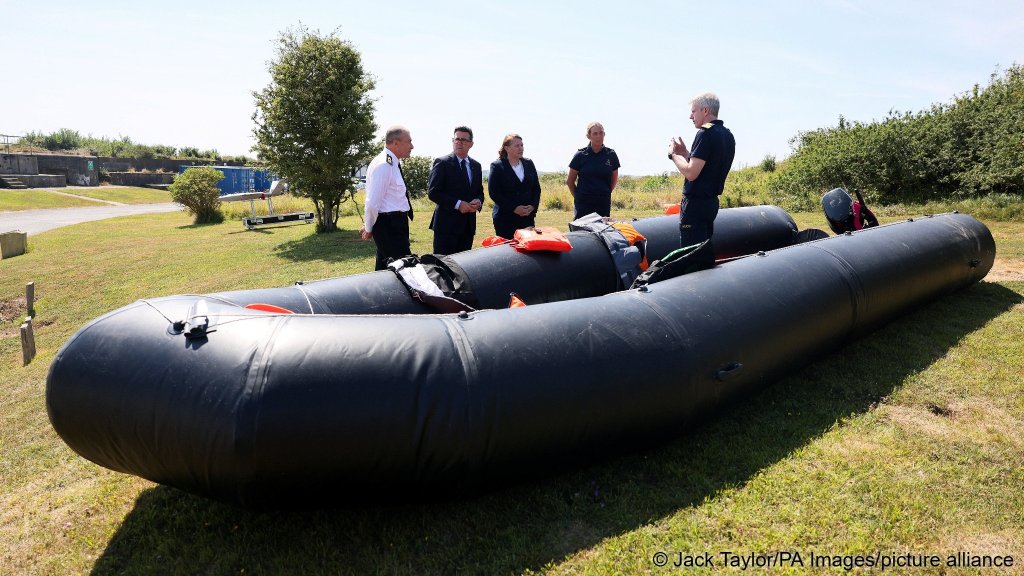
A 45-officer surge team is due to deploy to beaches in western France in the coming weeks. The British government says this will nearly triple the number of officers operating in the area.
A French intelligence and judicial unit focused on identifying and prosecuting smuggling networks has increased from 18 to 30 officers. A separate 75-person unit targeting Channel crossings has also begun operating in northern France, bringing the total number of officers involved to nearly 1,050.
The measures form part of a wider UK-France agreement on policing, intelligence-sharing and efforts to prevent small boats from departing the French coast. The agreement announced earlier this year provides 662 million euros in UK funding over three years for related French operations.
Read AlsoUK: Small boat arrivals fall to a seven-year low
Larger boats, fewer departures
The expanded deployment follows a reported decline in the number of boats reaching the UK. The British government says the combined number of crossings during the summer was the lowest since 2020. French authorities have also said that officers are preventing a substantial proportion of attempted departures.
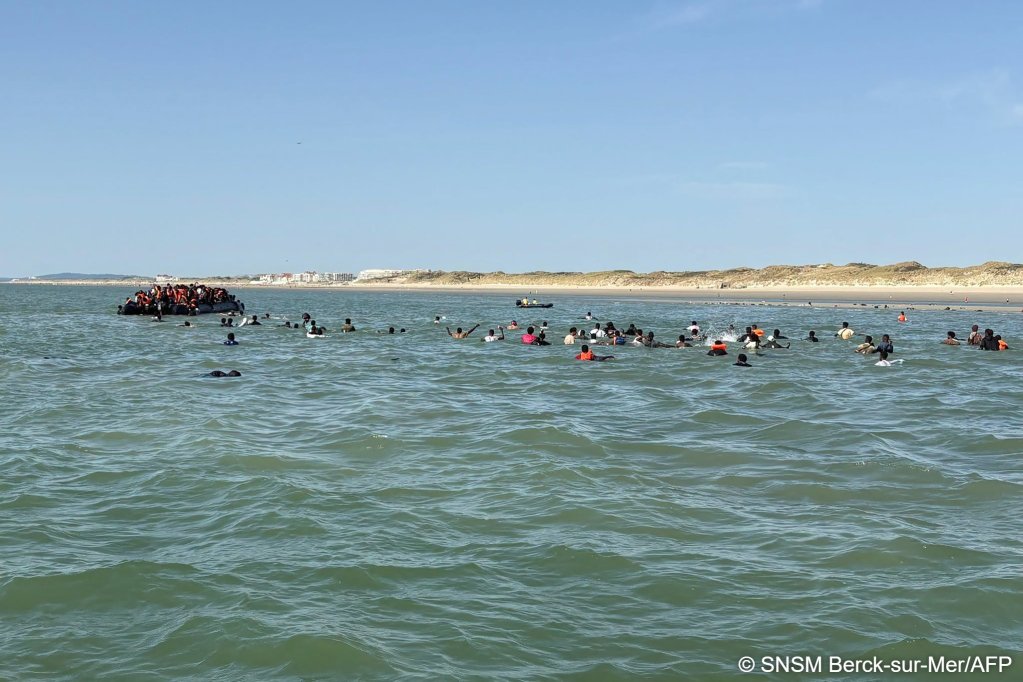
However, a BBC investigation found indications that smuggling networks are responding by changing their methods. According to the investigation, networks have been using fewer boats and placing more people on each vessel. A 15-meter inflatable carrying 230 people recently reached the UK, prompting concern among officials and emergency responders.
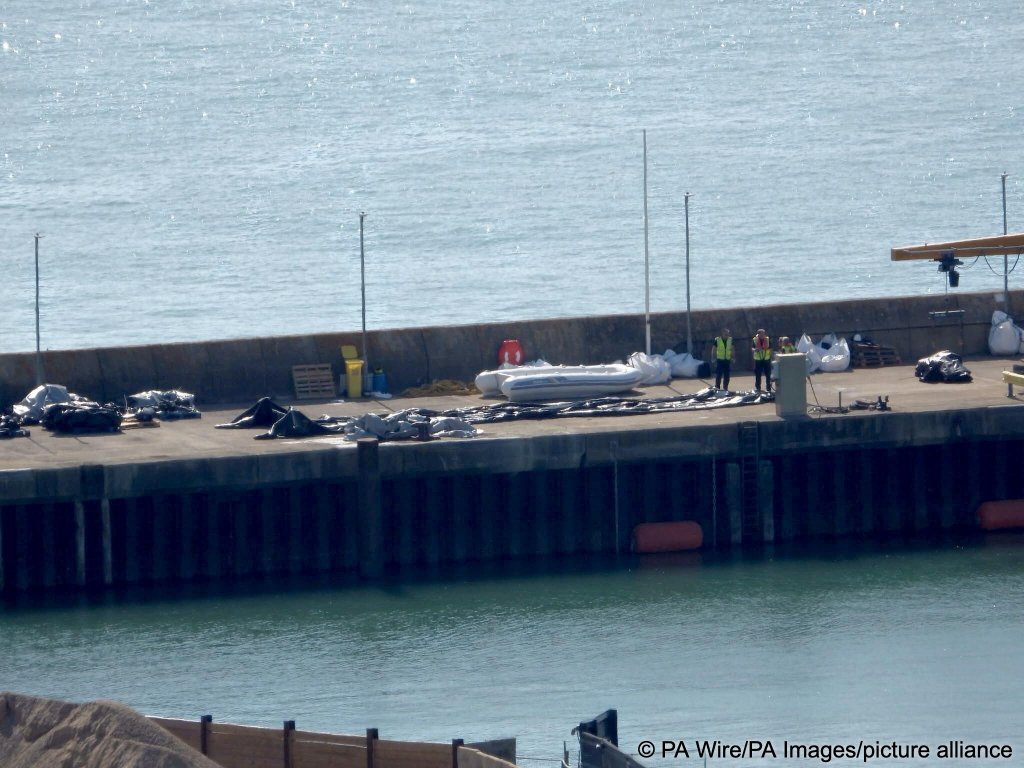
Earlier reporting by InfoMigrants also described the use of increasingly large dinghies, including one carrying 165 people. The reports point to a possible shift towards higher-capacity vessels, although the available evidence does not establish how widespread the practice is or whether it is directly connected to the recent fall in overall arrivals.
If the trend continues, fewer departures may not necessarily mean lower risks. A larger number of passengers on each boat could make individual crossings more hazardous and increase the potential scale of any incident at sea.
The development has led to increasing use of the term "mega-dinghy" to describe unusually large inflatable boats used for Channel crossings. The term is not a formal classification and does not correlate with a specific size, and its meaning may vary between official statements and media reports.
Read AlsoFrance: One migrant dead, 81 rescued as Channel crossings resume
How the journeys are changing
The BBC reported that some boats are being used to collect groups of passengers from several points along the coast before attempting the crossing. In one case filmed near Gravelines, a boat collected passengers at multiple locations before departing with 82 people on board.
BBC Paris correspondent James Waterhouse was also filmed in the water alongside the inflatable boat, asking people why they were attempting the journey. However, the report provided limited context about their individual circumstances, including why they had left their countries of origin or the conditions they had experienced before reaching France. It described them as “customers” of people-smuggling networks -- a term that emphasizes the commercial relationship but may understate the wider circumstances influencing their decisions.

The investigation also reported that some launch operations are taking place during daylight hours and from locations further from the main areas of police activity. Some boats have reportedly departed from beaches further west or from the Belgian coast before collecting passengers in France.
Taken together, these developments suggest that smuggling networks are adapting their methods in response to increased policing. The changes may make crossings more difficult to detect while also increasing the number of people exposed to danger during any single attempt.
Read AlsoEnglish Channel: Number of migrant families stuck at France-UK border on the increase
High financial and human cost
The same BBC investigation reported that the price charged by smugglers had risen to as much as 2,000 euros per person, compared with estimates of approximately 1,300 euros a year earlier. Although previous reporting by InfoMigrants has estimated that a Channel crossing tends to cost between 1,500 and 3,000 euros per person but can be as high as 5,000 euros.
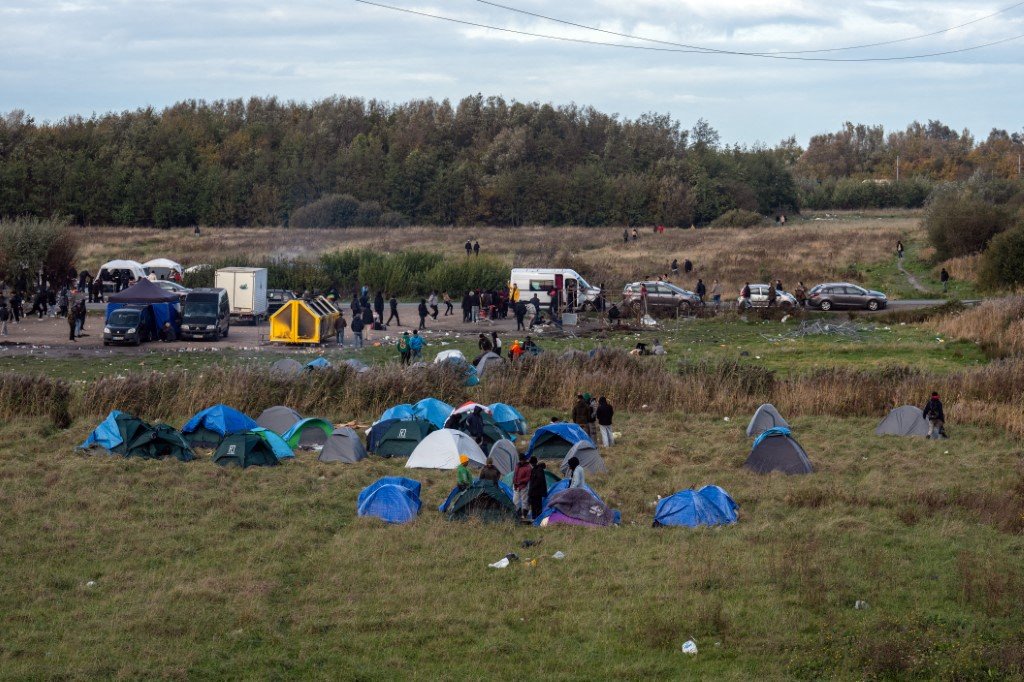
Many people waiting to cross spend weeks or months in northern France to attempt to cross, often living in extremely precarious conditions. Some migrants were reportedly staying closer to beaches and possible collection points rather than in larger settlements. That may reduce the distance to a launch site but can also limit access to food, medical care and other forms of assistance.
Recent reporting has also described longer and more hazardous routes, as well as the use of "taxi boats" to avoid heavily policed areas.
The reported changes illustrate how enforcement can affect the organization and cost of crossings without necessarily eliminating demand for them.
Read AlsoFrance: Nearly 100 migrants saved in English Channel
Questions about enforcement
French police have said that intervening after a boat has entered the water can create a risk of drowning, particularly when a vessel is overcrowded or unstable. Earlier reporting on proposed French powers indicated that officers could stop boats before they had taken passengers on board, highlighting the distinction between preventing a launch and intercepting a vessel already at sea.
British authorities have argued for greater intervention in some circumstances, but the disagreement reflects the operational difficulty of preventing dangerous crossings without destabilizing a boat or creating the need for a rescue operation.
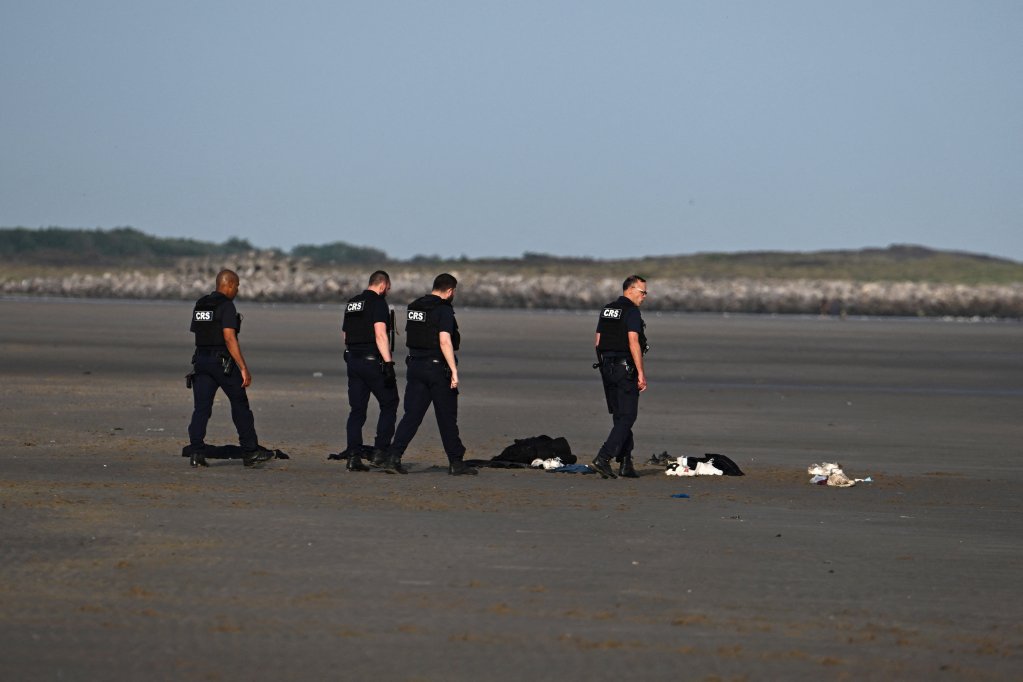
Enforcement has also led to criminal proceedings against people accused of organizing crossings or piloting boats. InfoMigrants reported that a French court sentenced one man to a year in prison for piloting a migrant boat, while more than 1,000 people were reportedly convicted of "illegal-arrival" offenses in the UK over a four-year period. These figures relate to different legal systems and offenses and are not directly comparable.
The consequences for suspected pilots and passengers should also be distinguished. A person accused of steering a boat may face prosecution, but the circumstances of the individual case -- including their role, level of control and any evidence of coercion -- remain relevant. Separately, measures preventing passengers from reaching the UK raise questions about access to asylum procedures and the responsibilities of both countries under international and European law.
Read AlsoAre Channel dinghies getting bigger?
A test for bilateral cooperation
The UK government describes Channel crossings as a shared European challenge requiring cooperation between the two countries. The new deployment is intended to strengthen beach patrols, intelligence-gathering and investigations into the organizations arranging the journeys.
However, policing alone is unlikely to address all the factors driving crossings. Many people waiting along the northern French coast are living in informal settlements with limited access to shelter, sanitation, medical care and legal assistance. A 2025 report on France by the Asylum Information Database (AIDA) found that more than 60,000 asylum applicants were not receiving formal reception conditions, while aid organizations continue to describe precarious conditions in camps around Calais and Dunkirk.
Stricter enforcement may reduce some departures, but it can also encourage smuggling networks to change launch points, consolidate passengers onto larger boats or demand higher prices. Humanitarian organizations argue that, where safe and legal routes are limited, increased enforcement can leave people more dependent on smugglers rather than removing the reasons they are attempting the journey.
The longer-term effectiveness of the policy should therefore be assessed not only by the number of boats prevented from launching, but also by whether criminal networks are disrupted, whether crossings are displaced elsewhere and whether the remaining journeys become more dangerous. A broader response could include efforts to address conflicts and persecution, expand safe and legal routes, and improve cooperation between states on asylum processing and protection.
Many people making the journey come from countries affected by conflict or serious human-rights concerns, including Afghanistan. UK government guidance states that people with a well-founded fear of persecution by the Taliban are unlikely to be able to obtain protection in Afghanistan. This does not determine the outcome of any individual asylum claim, but it illustrates why deterrence policies alone may not resolve the pressures contributing to Channel crossings.
Read AlsoChannel crossings: Ten interventions at sea involving migrant boats
With dpa