
The aftermath of the "generational funding collapse" sparked by the US eliminating funding for several UN agencies and international organizations continues to be felt, as the UNHCR is cutting its budget and thousands of jobs. Experts warn of the "invisible consequences" that are still emerging.
The United Nations Refugee Agency (UNHCR) is slashing its budget by 16 percent and cutting staff posts by 3,500 people, news agency Reuters reported on Monday, August 28.
Citing diplomats and reviewed documents, Reuters reported that the new cuts suggest a snowball effect from the funding shortfall stated in 2025 when the US began moves to eliminate funding to foreign organizations.
The UNHCR has already been forced to reduce aid assistance to affected communities, staff headcount and close offices while moving others in an effort to adapt to the funding crisis.
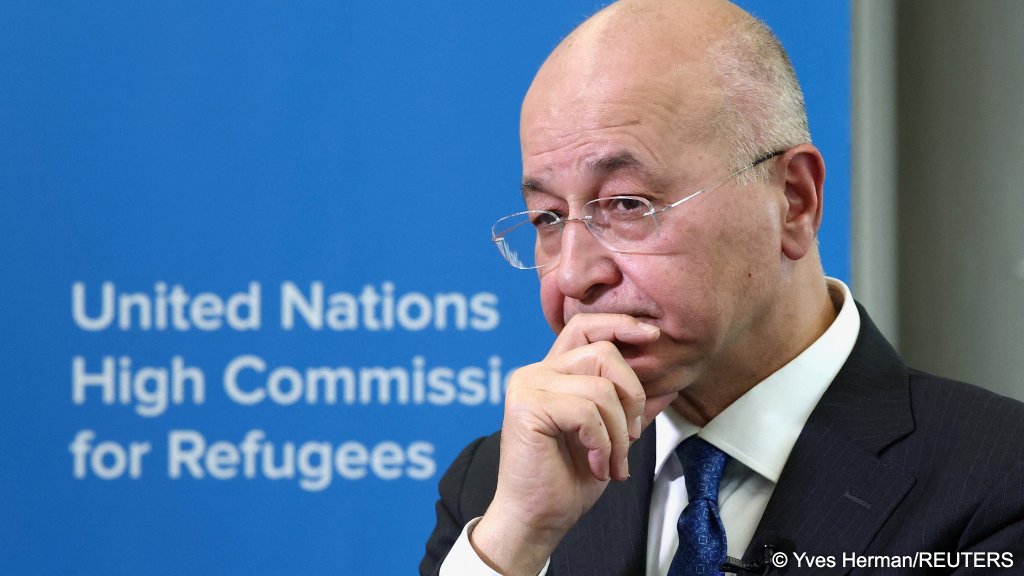
The planned budget for 2027 is 7.14 billion US dollars (6.16 billion euros), the documents showed, down 16 percent from last year and the smallest budget in at least 10 years. The budget in 2025 was estimated at 10.6 billion US dollars (9.15 billion euros).
In an email, Babar Baloch, a Spokesperson for the UNHCR, told InfoMigrants that the figures represent planning assumptions used to estimate costs to support humanitarian aid and also serve as a target for fundraising efforts.
"Historically, UNHCR has not received 100 per cent of the resources required. It is also important to note our actual income projections for 2027 remain comparable to those achieved in 2026, following a massive decrease in our income last year," the spokesperson said.
"To minimize the impact on refugees, UNHCR is prioritizing life-saving assistance, protection, solutions and emergency response, particularly in situations with the most acute needs," Balboch explained.
The financial cuts come at a time when global displacement is projected to reach an all-time high of over 100 million people forced to flee as a result of about 60 conflicts worldwide.
Read AlsoRefugees and migrants should not be exploited as political tools in campaigns, warns UN
Generational funding collapse
Between 2024 and 2025, global humanitarian funding dropped by more than 30 percent. An analysis released in February by Refugees International suggests that this was mainly due to an "implosion of U.S. support", which fell from approximately 14 billion to 3.7 billion US dollars around the same period.
The withdrawal of US support triggered a domino effect that saw other donors reducing support, aggravating a funding crisis where global humanitarian resources had already been on a steady decline from 2022 through 2024.
The net effect is that, by 2025, funding totals stood roughly 40 percent below 2022 levels, even as overall humanitarian needs remained the same.
"The consequences have been deadly and devastating and are now beginning to come into focus," the report read.
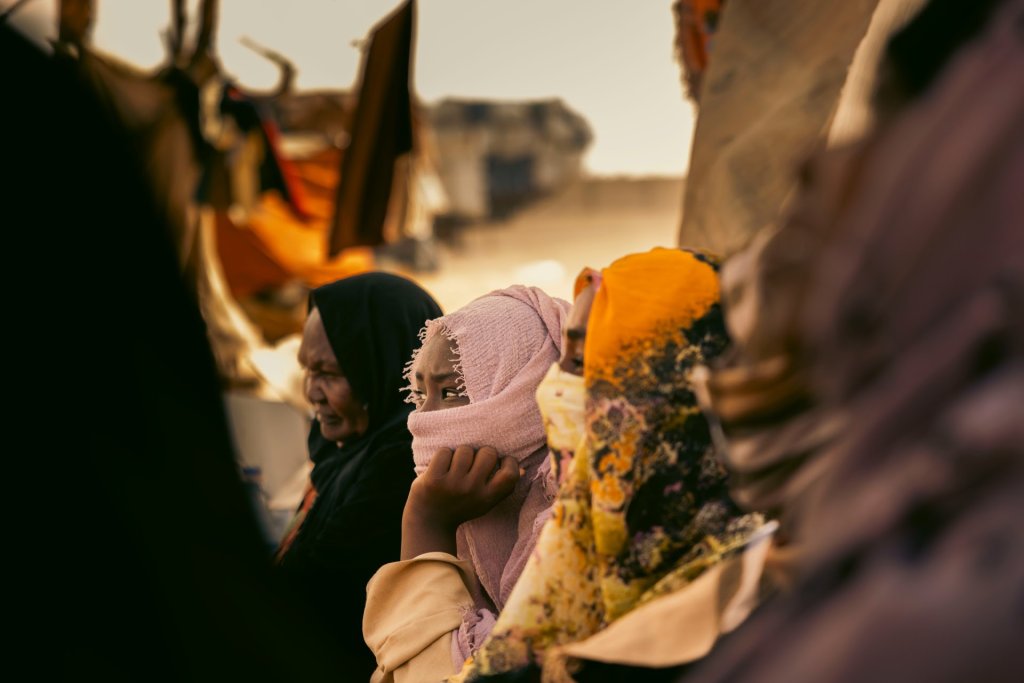
The immediate impact of the US freeze on global aid resulted in a "hyper-prioritization" process where the UN effectively had to identify and prioritize which countries needed aid, which programs would be funded and at the same time, cut back on humanitarian assistance by limiting the number of people assisted to 88.2 million. The report estimates that this is equivalent to a reduction of more than half of the population the organization had planned to assist, as outlined in its 2025 Global Humanitarian Overview.
The rollback on programs also means a cutback on staffing and the closing of field offices. The cost-cutting measures implemented across different UN agencies include:
- UNHCR cut 5,000 positions and scaled back 185 field offices
- World Health Organization (WHO) slashed more than 2,300 positions
- World Food Program (WFP) eliminated 6,000 positions
Thousands of other staff lost their jobs across other agencies while US-funded NGOs such as USAID suffered cuts. In early 2025, the USAID abruptly pulled the plug on over 80 percent of U.S.–funded global health and development programs and eliminated more than a quarter million positions globally.
Read AlsoUNHCR resettlement report paints dire picture about refugee outlook globally
Invisible consequences
While crossed-out budget lines and reduced job positions can be counted, the report warned of other invisible consequences linked to what it described as a "generational funding collapse". Refugees International warned of people in need being driven to dangerous survival strategies.
"As families and individuals come under increasing strain, they turn to negative coping mechanisms. Parents skip meals or trade rations to cover medical costs. As options for livelihoods and food decrease, individuals also become more vulnerable to exploitation. Displaced individuals seek dangerous work or take dangerous journeys, often at the hands of smugglers or traffickers. Women and children are particularly at risk. Women and girls are more likely to face GBV (gender-based violence) or rely on negative coping strategies such as early marriage, transactional sex, or unsafe migration," the report read.
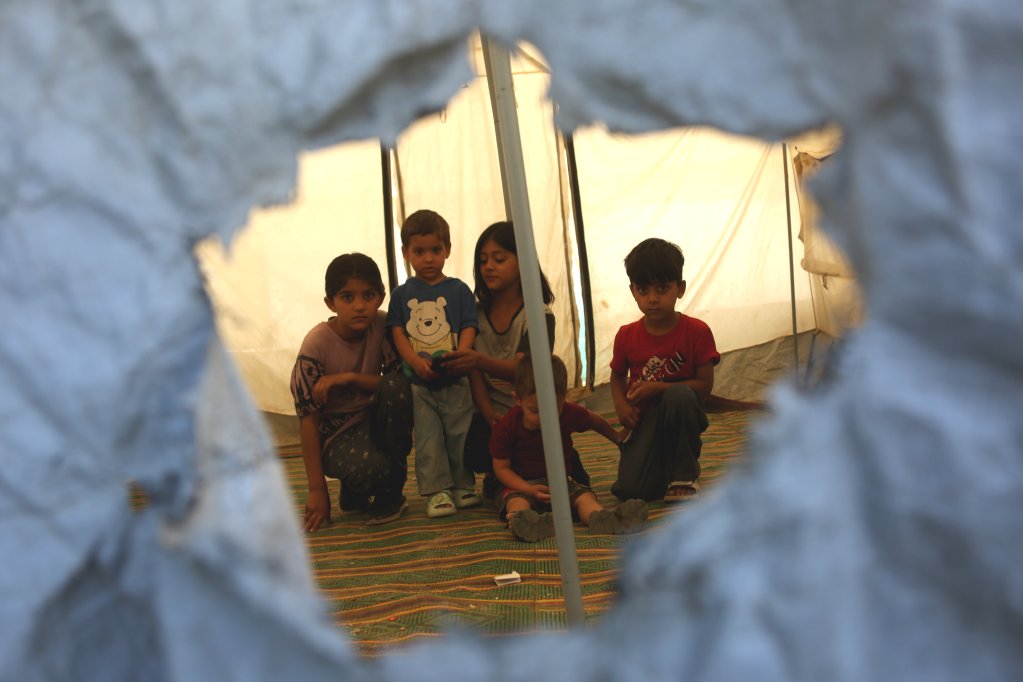
Additionally, funding reductions have eroded humanitarian data collection, with no mechanisms left to record and collect data on lives impacted and lost due to dwindling resources.
"While Refugees International has not identified abrupt spikes in mortality rates in available humanitarian reporting, this partly reflects an absence of evidence rather than evidence of absence. The most that can be confidently said is the humanitarian funding cuts are already costing individual lives across multiple crises, while larger-scale mortality impacts beyond the most vulnerable groups remain unclear."
Read AlsoICRC: Global surge in missing people as conflicts spread
'No longer serve American interests'
In February 2025, United States President Donald Trump ordered a review of U.S. participation in and funding of international organizations, resulting in the elimination of funding to most UN bodies and the delay or non-payment to UN organizations of its membership fees.
At the start of this year, the US announced the signing of a Presidential Memorandum directing the withdrawal of the US from 66 international organizations "that no longer serve American interests."
The list of organizations the US withdrew funding from includes groups that focused on climate crisis mitigation, gender and human rights, as well as several UN agencies.
The US is a founding member of the UN and the host to its headquarters in New York. It has been a major UN funder since 1945 and today remains the largest donor.
A report from the Committee on Foreign Relations shows that UN funding comes primarily from four countries. The US is the top donor, contributing about 31 percent of funds, followed by Germany (10 percent), the United Kingdom (7 percent) and China (5 percent). All other countries account for the remaining 47 percent.
Read AlsoRefugee protection system questioned amid UNHCR budget cuts and calls for reform
Correction note: This article was updated on September 4. The original version stated that Germany accounted for 7 percent of UN funding instead of 10 percent.