
The downward trend was attributed to the UK-France deal to curb irregular boat crossings. Under the deal, the French border authorities are authorized to employ new strategies such as intercepting "boat-taxis" on the water.
Small-boat crossings into the UK have fallen to a seven-year low, British Home Secretary Shabana Mahmood announced on X on Tuesday, September 1.
The UK Home Office Facebook page detailed the decreasing number of small boat crossings, with August crossings falling to their lowest level since 2018, coming down 57 percent from last year last year and recorded as the lowest number of migrant arrivals since 2020.
The Home Office attributed the downward trend to the UK-France deal to curb irregular boat crossings through the English Channel.
"In their first three months, French police teams funded under the deal prevented 185 small boat crossings between 27 April and 2 August, building on more than 48,000 crossing attempts prevented since July 2024," the UK Home Office said in a statement.
This included action to stop launches, seize equipment including boats, engines and lifejackets, and arrest smugglers.
Read AlsoFrance: One migrant dead, 81 rescued as Channel crossings resume
UK-France deal funds new strategies
The UK-France deal allocates about 662 million British pounds (767 million euros) to France between 2026/27 and 2028/29 under a new three-year funding agreement confirmed in late April 2026. An estimated 501 million British pounds will be used to strengthen existing controls in northern France, while 161 million British pounds are available to fund new strategies.
One of the new strategies is to intercept so-called "boat taxis" and perform these interceptions on the water under certain circumstances.
The Home Office reported that at least six boats have been stopped in 2026, resulting in five facilitators being sentenced to prison and deported from France.
Read Also
English Channel: Number of migrant families stuck at France-UK border on the increase
Fewer arrivals, but bigger boats
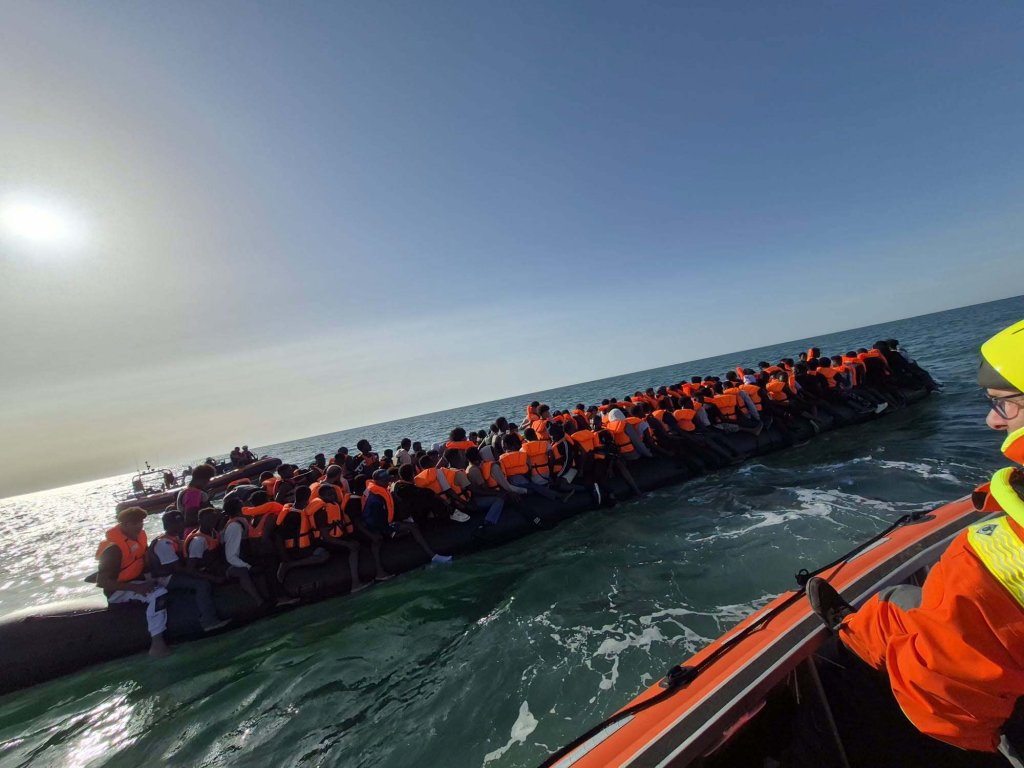
The reported decrease in boat arrivals comes amidst an emerging trend of larger boats dubbed as "mega dinghies" carrying more people, being used for irregular crossings.
Last month, a vessel approximately 13 meters in length, or roughly the same size as a standard British bus, carried a record 165 people across the Channel. Media reports dubbed the vessel a "mega dinghy" where hundreds of people are crammed in.
In 2018, the average number of people per boat was seven. That number rose to 63 by the year ending March 2026, while the exceptional crossings of passengers ranged from over 100 to 200. The combination of fewer boats overall but more passengers on some individual vessels may suggest that smuggling networks are adapting to increased enforcement.
Rights groups have warned that the larger boats combined with the increased enforcement and interception at sea have posed greater risks for people.
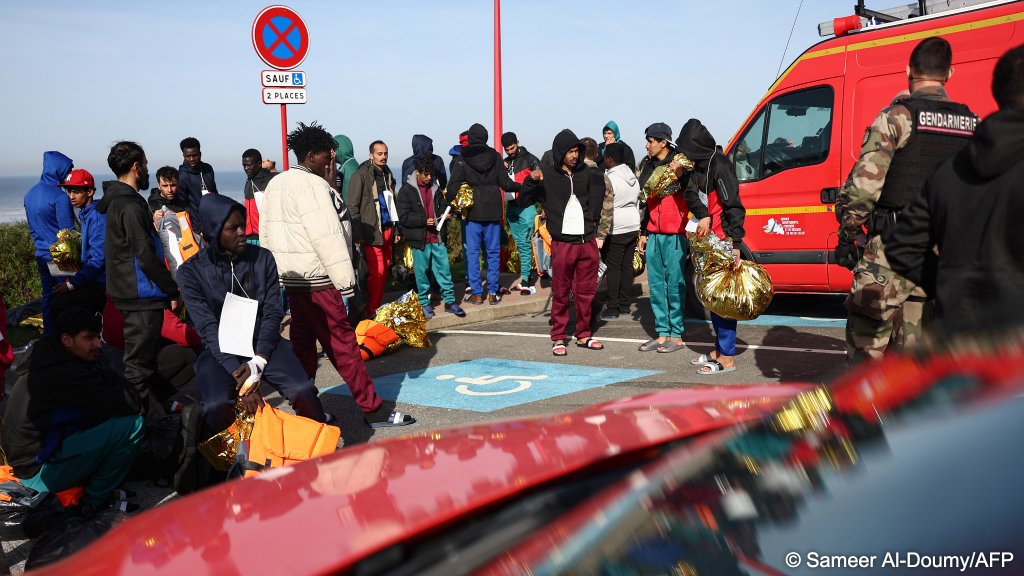
The larger the boats, the larger the crowd in the water and the greater the risks. "So many people trying to board a boat already in the water at the same time is a completely different situation. These are more complex boarding methods --and potentially more fatal accidents," rights group Utopia56 said.
Read Also