
Police freed three Turkish and two Afghan nationals abducted in Belgrade and held for a 30,000 euros ransom at a holiday home outside the capital. Three suspects have been arrested.
Serbian police have rescued three Turkish and two Afghan nationals who were abducted in Belgrade on August 26 and held for a 30,000 euros ransom, the interior ministry said on Sunday. Three suspects were arrested on suspicion of kidnapping the five men in the capital on Wednesday.
The suspects are believed to have taken the abducted foreign nationals to a holiday home in the Vladimirci area, around 70 kilometers west of Belgrade, "where they physically and psychologically abused them," the ministry said in a statement. Police footage released with the statement showed a raided house and the kidnappers’ white van containing what appeared to be restraint straps, as well as the five rescued men, who appeared to be in good physical condition.
The three suspects, identified only by their initials and age, are S. P., 30, S. K., 43, and D. S., a 29-year-old citizen of Bosnia and Herzegovina. The Criminal Police Directorate, the Anti-Terrorism Service and the Second Department of the Belgrade Police Directorate carried out the operation jointly, acting on orders from the Belgrade Higher Public Prosecutor's Office.
They were remanded in police custody for up to 48 hours before being handed over to prosecutors to face kidnapping charges, which carry a potential prison sentence of three to 12 years.
The ministry’s statement gave no further details about the rescued men or the police operation, and it did not specify the victims’ migration status or the precise motive for the abduction. Prosecutors allege the suspects intended to extort money from the victims’ families, with claims of demands around 10,000 euros per person, but official statements have focused on the aggregate 30,000 euros ransom figure.
Read AlsoBalkan Route: Migrants for ransom
Increasing dangers along Balkan route
The incident highlights the vulnerability of migrants and other foreign nationals transiting the Western Balkans, a well-documented route for people moving toward Western Europe. Afghans have formed one of the largest groups traveling through Serbia in recent years, often fleeing conflict, insecurity and rights restrictions following the Taliban’s 2021 takeover.
International assessments have flagged migrants and refugees in Serbia as especially exposed to trafficking, exploitation and violence, with smuggling networks in the Balkans becoming more professionalized and, in some cases, evolving into violent criminal organizations. Serbian authorities have not publicly linked this kidnapping to migrant-smuggling activities.
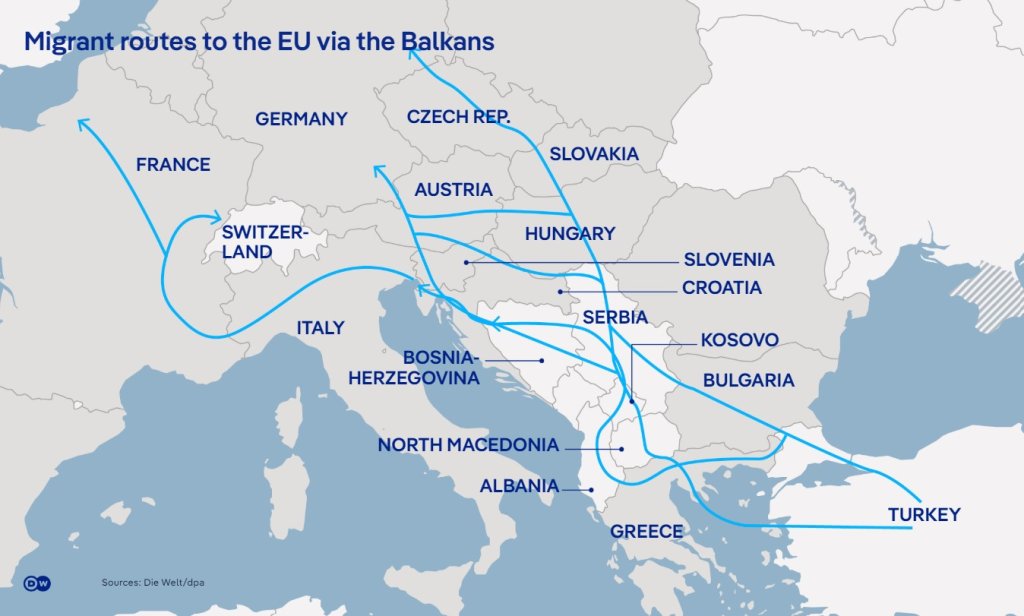
Research by the Afghanistan Analysts Network describes how Afghan migrant-smuggling networks in the Balkans have become increasingly professionalized, transnational and, in some locations, violent criminal organizations that compete for control of border crossings and, in certain cases, have shifted from charging smuggling fees to using extortion, kidnapping and ransom demands as revenue streams.
The report notes the emergence of armed groups such as BWK (often understood as "Balkan Warriors Kabul"), which have been accused of kidnapping migrants traveling with rival groups, detaining and abusing them, and demanding ransoms from their families, including in cases involving entire families with women and children. While the Belgrade kidnapping does not establish a link to such groups, it fits a broader pattern in which restrictive border policies and tighter controls have not eliminated smuggling but have altered its organization and, in parts of the route, driven its criminalization.
Read AlsoBalkan route: Alleged members of Turkish migrant smuggling gang arrested
Balkan route: rising kidnappings and ransom demands
Rights groups working along the Balkan route say kidnappings and ransom demands have become more common as EU border policies grow more restrictive and migrants are pushed into clandestine routes controlled by criminal networks. NGOs such as KlikAktiv in Serbia report that refugees increasingly describe abductions, extortions and other abuses by smugglers and criminal groups, with some victims held in isolated locations such as private apartments or houses until their families pay a ransom that can reach several thousand euros.
Last year, investigations by regional outlet Balkan Insight (BIRN) documented how armed Afghan gangs, including the group known as BWK, have held asylum seekers hostage in forest camps and other hidden locations, demanding ransoms from relatives while subjecting them to severe abuse, sometimes filming the violence and sending it to families as proof of life. Similar patterns have been reported by other rights groups, including the Asylum Protection Center in Serbia and the Mixed Migration Center, which note that migrants and refugees along the Western Balkans face robbery, physical violence and extortion, often at the hands of smugglers and criminal networks.
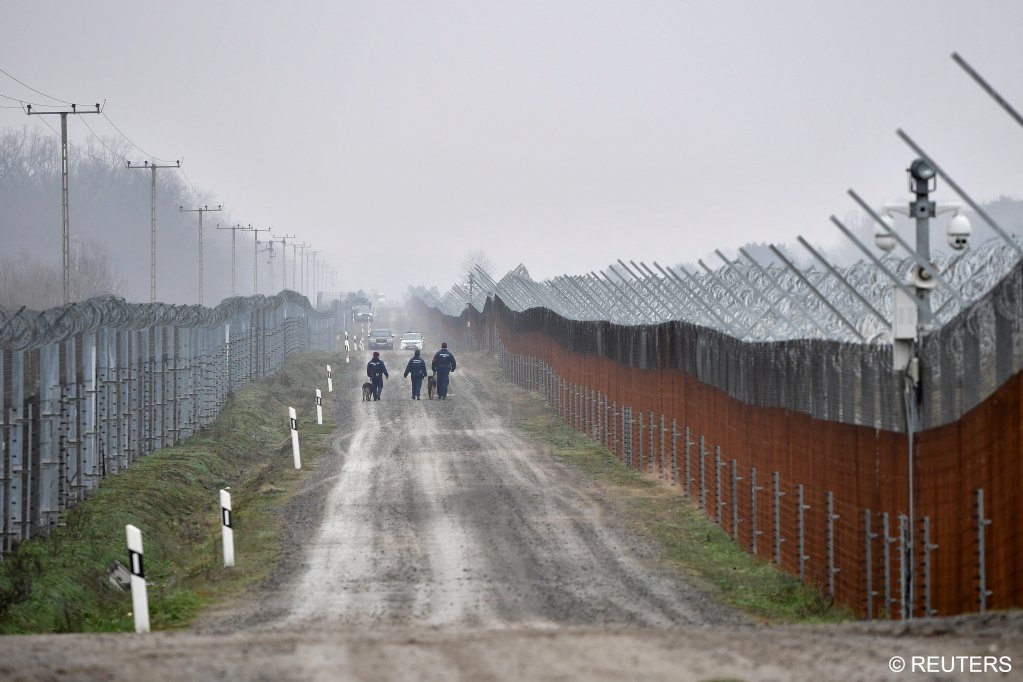
Experts and advocates argue that intensified border controls and pushbacks have made migrants more dependent on smugglers, increasing their exposure to exploitation and abuse. In its report, the Global Initiative Against Transnational Organized Crime indicates a strong correlation between the appearance of these groups and the growing securitization of border regions throughout Europe, with people on the move bearing the brunt of violence whether at the hands of state authorities or the very groups that claim to help them.
Despite strong rhetoric and some police operations against smugglers in the EU and the UK, rights workers say institutional support for refugees and asylum seekers remains fragmented. This focus on deterrence over protection leaves migrants vulnerable to criminal networks operating in the shadows and fueling further security issues for the states in which they operate.
Read AlsoGermany and Serbia crack down on smuggling gang
With AFP